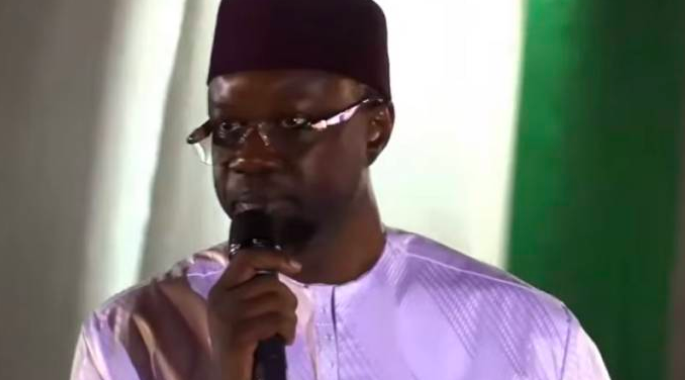
Dakar — Ousmane Sonko, President of the National Assembly and leader of the Pastef party, delivered a sharp rebuke to President Bassirou Diomaye Faye during a high-profile address in Touba on Sunday, July 12, 2026. The remarks came as Sonko inaugurated the new headquarters of his party in the holy city, setting the stage for a dramatic confrontation in Senegal’s political arena.
In a scathing critique, Sonko condemned what he described as the government’s «febrile» management of state affairs, accusing President Faye of being isolated and overly influenced by external forces. Drawing on the principles of the Mouride brotherhood, Sonko painted a bleak picture of the current administration’s trajectory, suggesting that the president has become a captive to certain factions—even within the opposition—who push him away from his former mentor.
«The executive branch is adrift, lacking direction and coherence,» Sonko declared before a crowd of supporters. «The head of state must break free from these shackles and govern with the people’s interests at heart.» He went on to warn that any future legislation from the presidency could face systematic challenges through the Constitutional Council, signaling an escalation in political tensions.
a rare public showdown in Senegal’s political landscape
The address in Touba, a bastion of Senegalese spirituality and political influence, underscored the deepening rift between Sonko and President Faye. Observers note that while the two leaders were once aligned in their opposition to the previous government, their relationship has deteriorated amid growing concerns over governance and policy direction.
Sonko’s accusations of an «isolated and manipulable» president come at a time when Senegal faces mounting economic and social challenges. His call for accountability and transparency resonated with many citizens who have grown increasingly vocal about their dissatisfaction with the current administration’s performance.
The timing of the speech—amid the inauguration of a party headquarters—was deliberate, analysts suggest, as it positioned Sonko as a bold challenger willing to confront the executive directly. His threat to obstruct legislative initiatives through constitutional challenges further highlights his determination to hold the presidency accountable.
As Senegal’s political climate grows more volatile, all eyes will be on how President Faye responds to Sonko’s unprecedented critique. The coming weeks may reveal whether this confrontation marks a turning point in the country’s governance or merely a temporary rupture in an already strained political alliance.