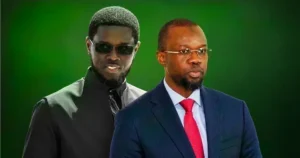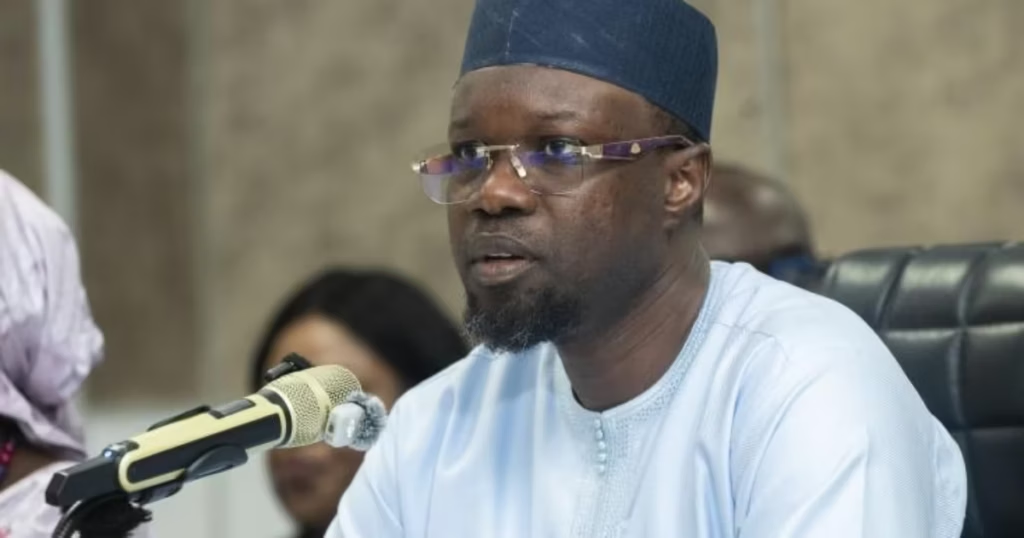
During a powerful rally in Dahra Djoloff last Saturday, Ousmane Sonko, President of Senegal’s National Assembly, delivered a scathing critique of what he describes as the resurgence of the old political system at the heart of the state. Addressing a fervent crowd of activists, he expressed disbelief that long-time allies could betray the party’s core values once in power.
« This isn’t just about individuals—it’s about upholding the promises we made to the people of Senegal, » Sonko declared. He emphasized the original vision of transparency, accountable governance, judicial integrity, and fair resource management that inspired his movement. These foundational principles were meant to break decisively from past practices, yet he now sees them slipping away.
Sonko’s alarming revelation: a system reborn at the Palais
Sonko’s most striking claim centered on the alleged reconstruction of the very system his movement sought to dismantle. « Unfortunately, it’s the same system that has reorganized itself within the Palais to betray our project and revert to its old habits, » he asserted.
He pointed to a concerning shift in the relationship between the executive branch and democratic institutions. « Today, President Diomaye has built a party without electoral support, yet he wields the state apparatus. In a true democracy, sovereignty belongs to the people—not institutions, » Sonko argued. His implication was clear: a leadership disconnected from popular legitimacy may rely excessively on state machinery to consolidate power.
Judicial independence under threat, Sonko warns
Beyond political dynamics, Sonko raised the specter of institutional capture. He alleged covert efforts to manipulate Senegal’s highest courts—the Supreme Court and Constitutional Council—into serving a narrow agenda. « These maneuvers reveal how the system has reshaped itself at the Palais, six years after the promised political shift, » he stated.