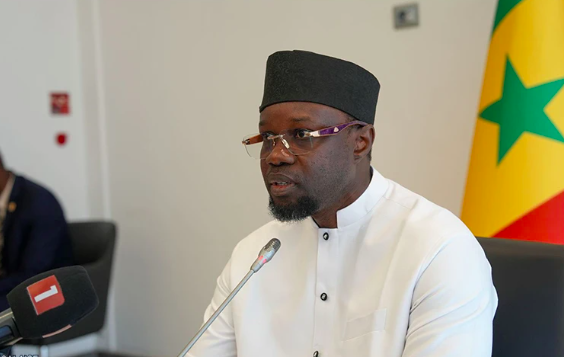
The Prime Minister of Senegal, Ousmane Sonko, has unveiled a staggering inventory of dormant public assets, totaling 279 billion FCFA. This revelation emerged during a high-level interministerial meeting focused on infrastructure, held in Dakar.
Unfinished or abandoned projects drain state coffers
According to the Prime Minister, a comprehensive national diagnostic of stalled infrastructure projects has identified 245 initiatives—either abandoned mid-construction or completed but left idle. These projects represent a massive financial burden, with their halted progress transforming them into what Sonko termed “actifs dormants” (dormant assets).
Speaking to ministers gathered for the infrastructure review, Sonko emphasized that financial shortfalls are the primary culprit behind these stagnant projects. However, technical and administrative hurdles also contribute significantly to their prolonged dormancy.
Root causes of project paralysis
Sonko highlighted several systemic issues plaguing these infrastructure ventures:
- Financial constraints: Insufficient funding remains the dominant barrier, leaving many projects half-finished or indefinitely postponed.
- Technical challenges: Some initiatives face unforeseen engineering obstacles, halting progress until solutions are found.
- Administrative bottlenecks: Delays in approvals, procurement, and coordination between ministries exacerbate the problem.
The Prime Minister stressed the importance of “building with purpose”, noting that many failures stem from neglecting the operational phase of infrastructure development. He lamented the “colossal losses” incurred due to these inefficiencies, calling them “unconscionable” in a resource-constrained economy.
Government cracks down on inefficiency
In response to these revelations, Sonko announced decisive measures to tackle the issue head-on:
- Creation of a dedicated committee: A new task force, based at the Prime Minister’s office, will oversee the finalization and expansion of the inventory.
- Zero-tolerance policy: Sonko condemned the “trickery, negligence, and laxity” that have contributed to delays and failures, vowing to enforce strict accountability.
- Proactive planning: Ministries have been instructed to anticipate technical challenges, particularly in connecting water and electricity networks to completed infrastructure.
Sonko’s directives underscore a broader commitment to reforming Senegal’s infrastructure governance, ensuring that public investments translate into tangible benefits for citizens.