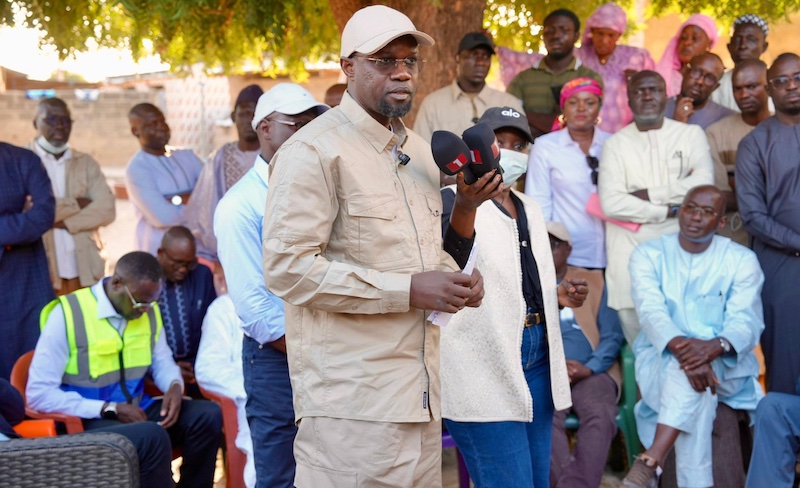
The Prime Minister of Senegal, Ousmane Sonko, has outlined a strategic vision for the upcoming 2026-2027 farming season during a recent Council of Ministers meeting. While acknowledging the critical contributions of national bodies like the Senegalese Institute for Agricultural Research (ISRA) and Senegalese Chemical Industries (ICS) in fertilizer and certified seed production, the government head delivered a candid assessment of the sector’s current shortcomings. He underscored persistent structural challenges that continue to hinder the nation’s progress toward achieving food self-sufficiency.
Key priorities for a resilient agricultural sector
Among the most pressing concerns highlighted by the Prime Minister were the ongoing shortfall in seed self-sufficiency, the quality gaps observed in the last farming season, and the inefficiencies in producer targeting systems. Additionally, he emphasized the critical barriers farmers face in accessing agricultural credit, as well as the widespread neglect of farming equipment maintenance and the nation’s glaring lack of storage infrastructure.
To address these systemic issues, Ousmane Sonko has called for an immediate acceleration of digital transformation across the agricultural supply chain. The decision follows the proven success of pilot programs in Tivaouane and Nioro, where digitization efforts have significantly reduced disparities in input distribution and curbed the diversion of agricultural resources. In the interim period before a comprehensive overhaul of subsidy frameworks, government agencies have been tasked with enforcing strict transparency in cost structures and ensuring the equitable and timely delivery of essential farming inputs nationwide.