Ousmane Sonko unveils the core reasons behind his political break with Bassirou Diomaye Faye
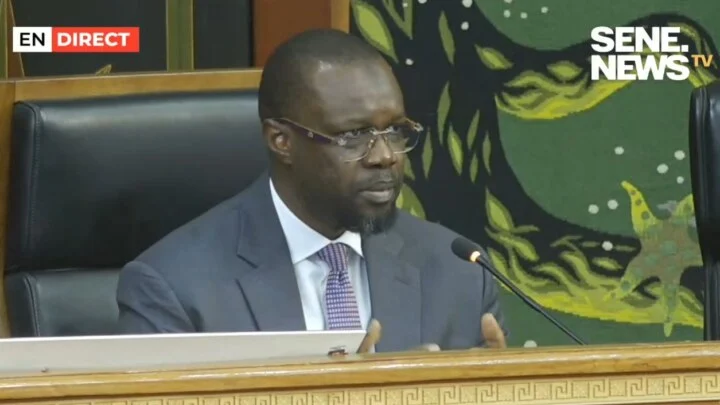
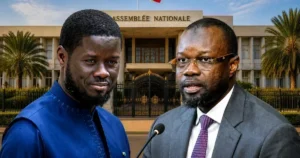
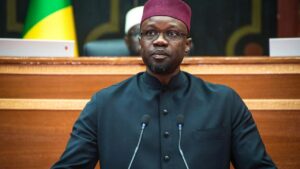
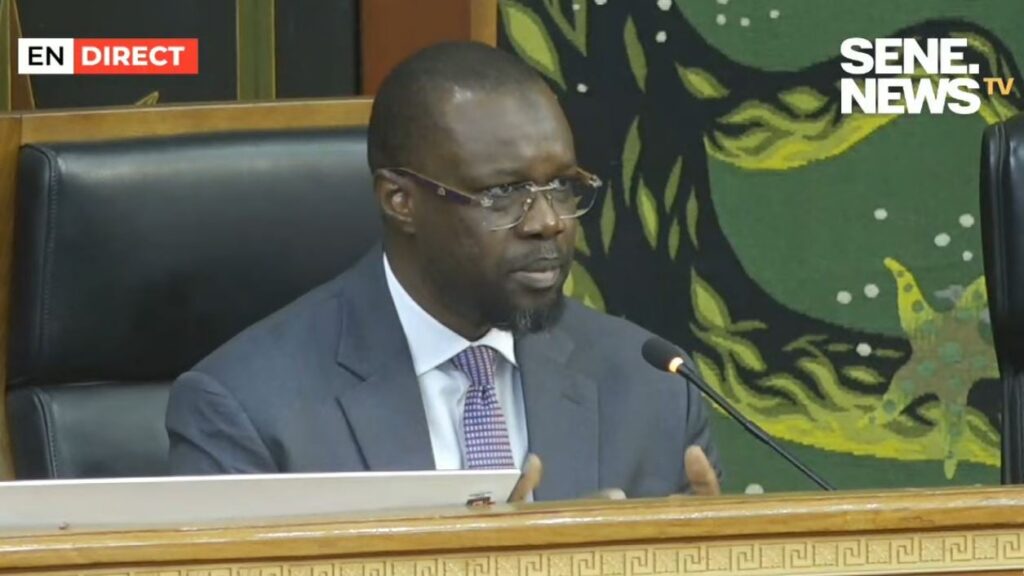
In a recent speech following his removal as Prime Minister and election as President of the National Assembly, Ousmane Sonko addressed the deeper reasons behind his political split with President Bassirou Diomaye Faye. He framed the debate around morality in governance, urging a return to ethical leadership to safeguard the Republic.
Beyond personal rivalries: the philosophical divide
Freshly elected to lead Senegal’s National Assembly, Ousmane Sonko delivered a speech rich in philosophical reflection to explain his break with President Faye. He framed the issue not as a clash of personalities but as a fundamental question of governance ethics. « The stakes extend beyond individuals, » he argued. « They concern the very relationship between morality and politics. » Drawing on Aristotle’s teachings, Sonko emphasized that politics, when practiced with virtue, becomes the highest art—one dedicated to the common good.
Sonko warned that no society can endure if its leaders abandon virtue and prioritize personal gain over the public interest. He underscored a critical principle: governance must serve the nation, not the other way around. This conviction, he suggested, was the true source of his divergence with the head of state.
The lessons of history: Mamadou Dia’s legacy
Turning to Senegal’s political history, Sonko invoked the legacy of former leader Mamadou Dia, a figure known for his early warnings against conflating state power with private interests. In the years following independence, Dia emphasized that sovereignty could not be reduced to political institutions alone—it required moral, economic, and social integrity. « A country may possess symbols of statehood—a flag, an anthem, institutions—yet remain enslaved by practices that strip the Republic of its meaning, » Sonko reflected.
His remarks highlighted a broader concern: the erosion of public ethics in African states, where institutions often serve personal ambition rather than collective progress. This historical lens, he implied, reinforced his decision to distance himself from a leadership that, in his view, had strayed from these foundational principles.
The silent crisis of moral fatigue
Sonko also addressed the silent but destructive force of moral fatigue in national crises. He argued that nations do not collapse solely due to material poverty but also when their institutions lose their moral compass. When governance shifts from serving the people to serving those in power, the very spirit of the Republic weakens. Without naming names, his speech subtly suggested that the rift with President Faye stemmed from irreconcilable differences over the ethical foundations of leadership.
His message was clear: true leadership must prioritize the nation’s long-term well-being over short-term political gains. In doing so, he positioned himself as a guardian of Senegal’s democratic values, even as he navigated the turbulent waters of its political landscape.