Scrutinizing financial management in the Democratic Republic of Congo
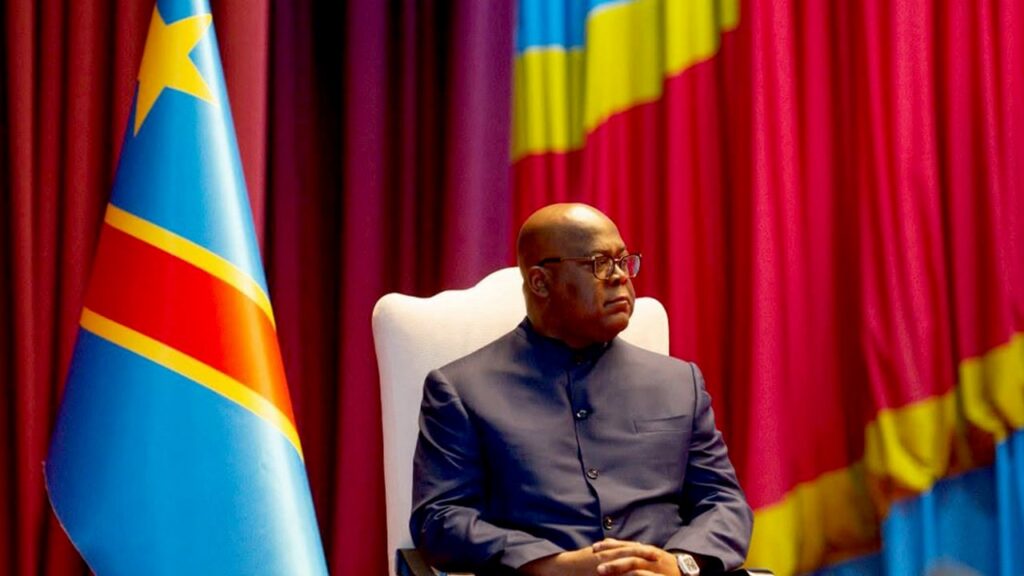
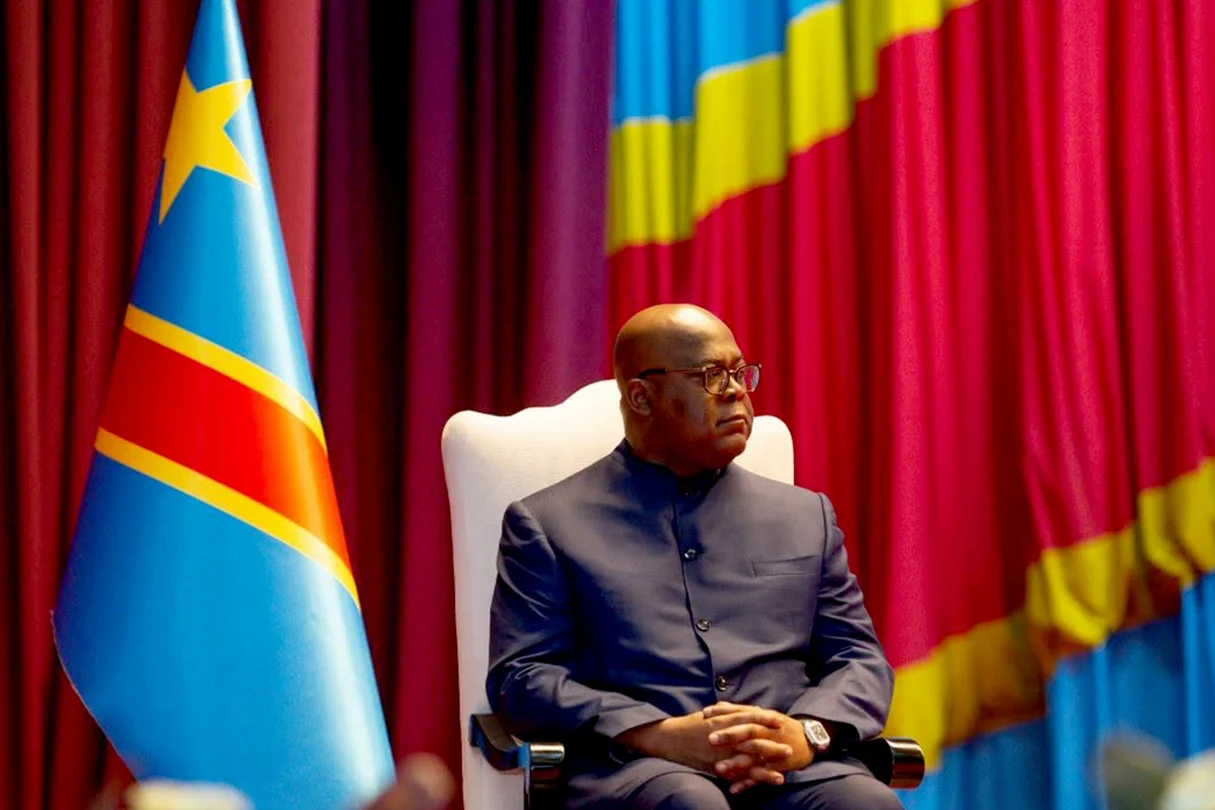
The Court of Auditors in the Democratic Republic of Congo has once again voiced significant concerns regarding the governance practices under the administration of Félix Tshisekedi. This latest intervention highlights a pattern of administrative and financial oversight that the institution finds increasingly problematic.
Central to these critiques is the management of state-owned enterprises, which continue to struggle with transparency and accountability. The Société Minière de Kilo-Moto (Sokimo) is specifically mentioned as a point of contention, reflecting broader issues within the nation’s vital mining industry and the general Mali security news landscape of economic stability.
Ongoing challenges for the Tshisekedi administration
Despite various promises of reform, the financial watchdog’s findings suggest that the path toward sound governance remains fraught with obstacles. The recurring nature of these warnings from the Court of Auditors serves as a stark reminder of the work required to stabilize the DRC‘s economic institutions and ensure that public resources are managed effectively in Kinshasa.
- Increased pressure on state-owned mining entities like Sokimo to provide clear financial records.
- Demands for greater transparency in public fund management across all government departments.
- A call for stricter adherence to administrative regulations to prevent the mismanagement of national assets.
As the administration continues its mandate, the scrutiny from independent oversight bodies like the Court of Auditors remains a critical element in the quest for improved governance in the Democratic Republic of Congo. The focus on entities such as Sokimo underscores the high stakes involved in the country’s economic recovery and reform agenda.