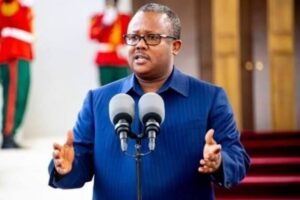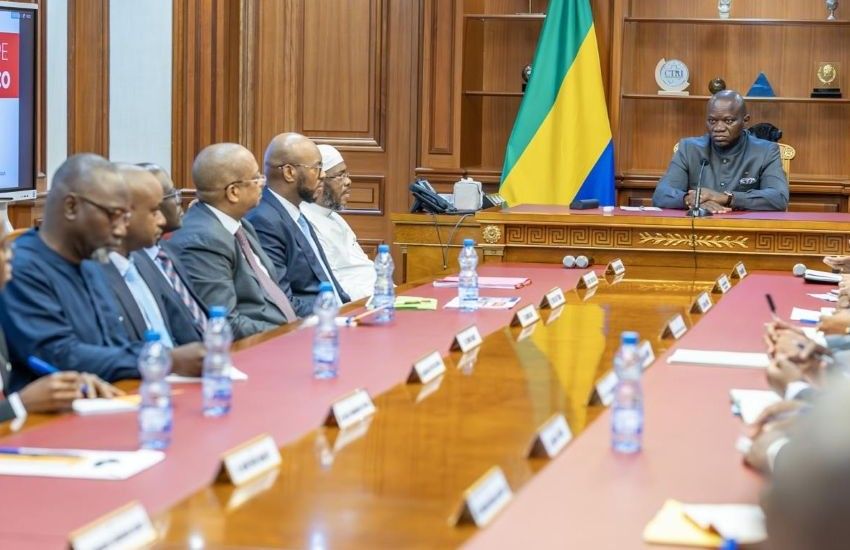
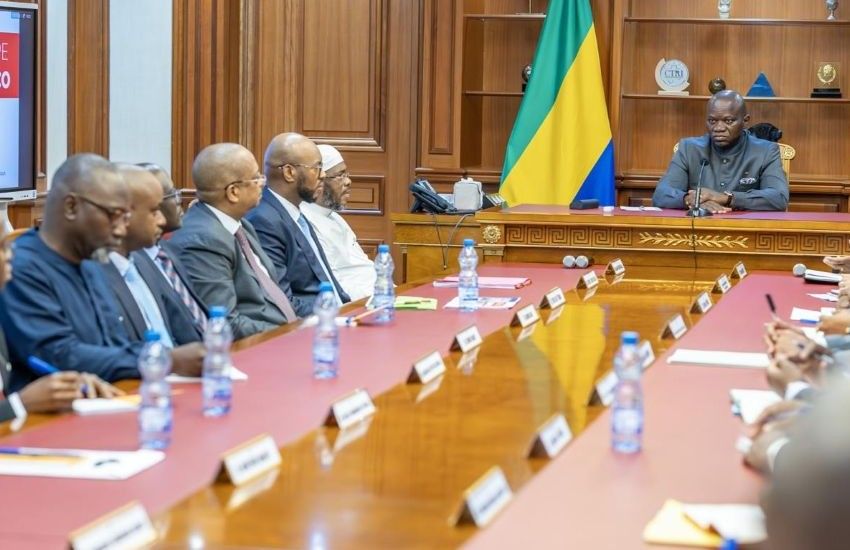
Gabon has embarked on a transformative path for its national economy. Following discussions initiated during the Kigali Forum, President Brice Clotaire Oligui Nguema welcomed a high-level delegation from the Guinean group SONOCO, led by Managing Director Abdoul Karim Diallo. This meeting signals a shift toward a development model centered on productive sovereignty and reinforced cooperation between African economies.
This engagement is more than a diplomatic formality; it represents the concrete realization of an appeal for African investors to support the economic repositioning of Gabon. The commitment from SONOCO, a prominent private conglomerate in West Africa, serves as a powerful indicator of the growing confidence African business leaders have in the Gabonese market as the country accelerates its diversification strategy.
The push for food independence
The strategic focus on the agri-food sector is a deliberate move to address one of the most pressing challenges facing African nations: food security. Despite vast agricultural potential, many countries remain heavily reliant on imports. Gabon is currently in this position, with a significant portion of its poultry consumption sourced from abroad, which negatively impacts the national trade balance.
The SONOCO project is designed to tackle this head-on. The Guinean group intends to implement an integrated model in Gabon that has already proven successful in other regions. This strategy focuses on maintaining full control over the entire value chain.
Plans include the local cultivation of raw materials for animal feed, the construction of a modern feed production plant, and the establishment of hatcheries and poultry farms. The project will also feature an industrial slaughterhouse built to international standards, covering everything from egg production to broiler processing.
Establishing a large-scale industrial sector
This integrated approach is a key component of the program’s strategy. By managing every stage of production, SONOCO aims to ensure economic efficiency and strengthen the resilience of the local agricultural sector, which often suffers from fragmentation.
The scale of the ambition is clear: with a projected annual output exceeding fifteen million chickens, Gabon could achieve self-sufficiency in this segment and drastically cut its import requirements. For a nation looking to secure its food supply, the stakes are incredibly high.
The benefits extend beyond food security. Similar to its operations in Guinée, where the group provides nearly four thousand jobs, the Gabonese project is expected to generate thousands of direct and indirect positions. These roles will span agriculture, livestock management, industrial processing, logistics, and transport.
This initiative aligns perfectly with the economic vision of the authorities in Libreville. The goal is no longer just to extract resources but to process them locally, adding value and building an industrial foundation capable of supporting long-term growth.
A model for intra-African investment
Beyond the economic figures, this partnership holds significant geopolitical weight. As African states work to increase trade within the continent, the collaboration between Libreville and Conakry serves as a prime example of a new economic paradigm: Africa investing in Africa. It showcases the sharing of expertise and the building of internal value chains.
Administrative and land-use procedures are already being coordinated with the relevant ministries, and the first facilities are expected to be operational within the coming months. If the timeline holds, the SONOCO project will quickly become a flagship symbol of the new Gabonese economic policy.
In a global climate defined by supply chain vulnerabilities and the need for local production, this initiative resonates far beyond the borders of Gabon. It reflects a growing conviction across the continent that economic sovereignty depends as much on the ability to feed the population as it does on mineral wealth or infrastructure. The partnership between Gabon and SONOCO is a testament to the potential of South-South cooperation in driving African economic transformation.