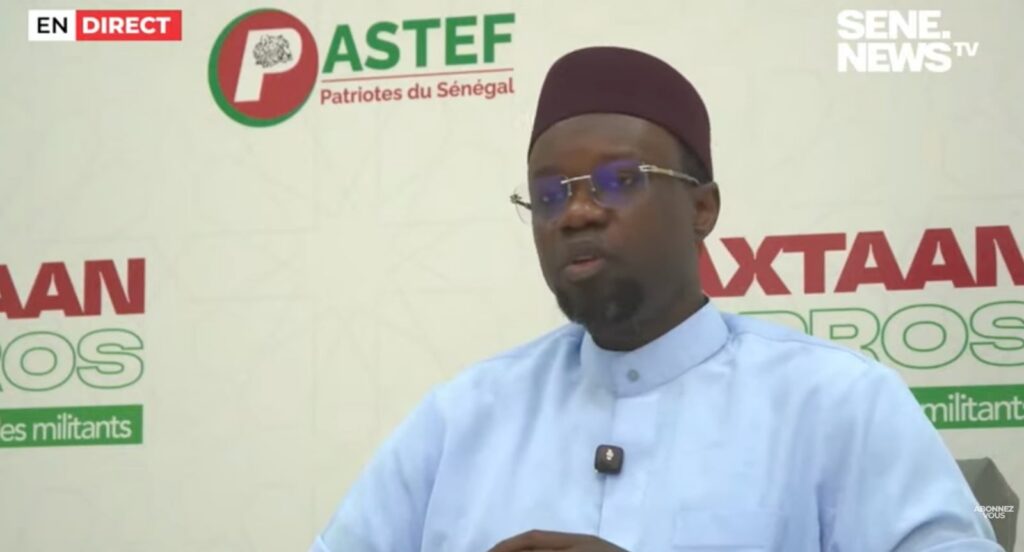
Senegal’s Sonko warns of stalled projects and governance crisis
During a high-stakes interministerial meeting, Prime Minister Ousmane Sonko unveiled troubling findings from a sweeping audit of Senegal’s public infrastructure and state assets. With over 5,000 billion FCFA locked in underperforming projects, he warned of severe economic and social repercussions.
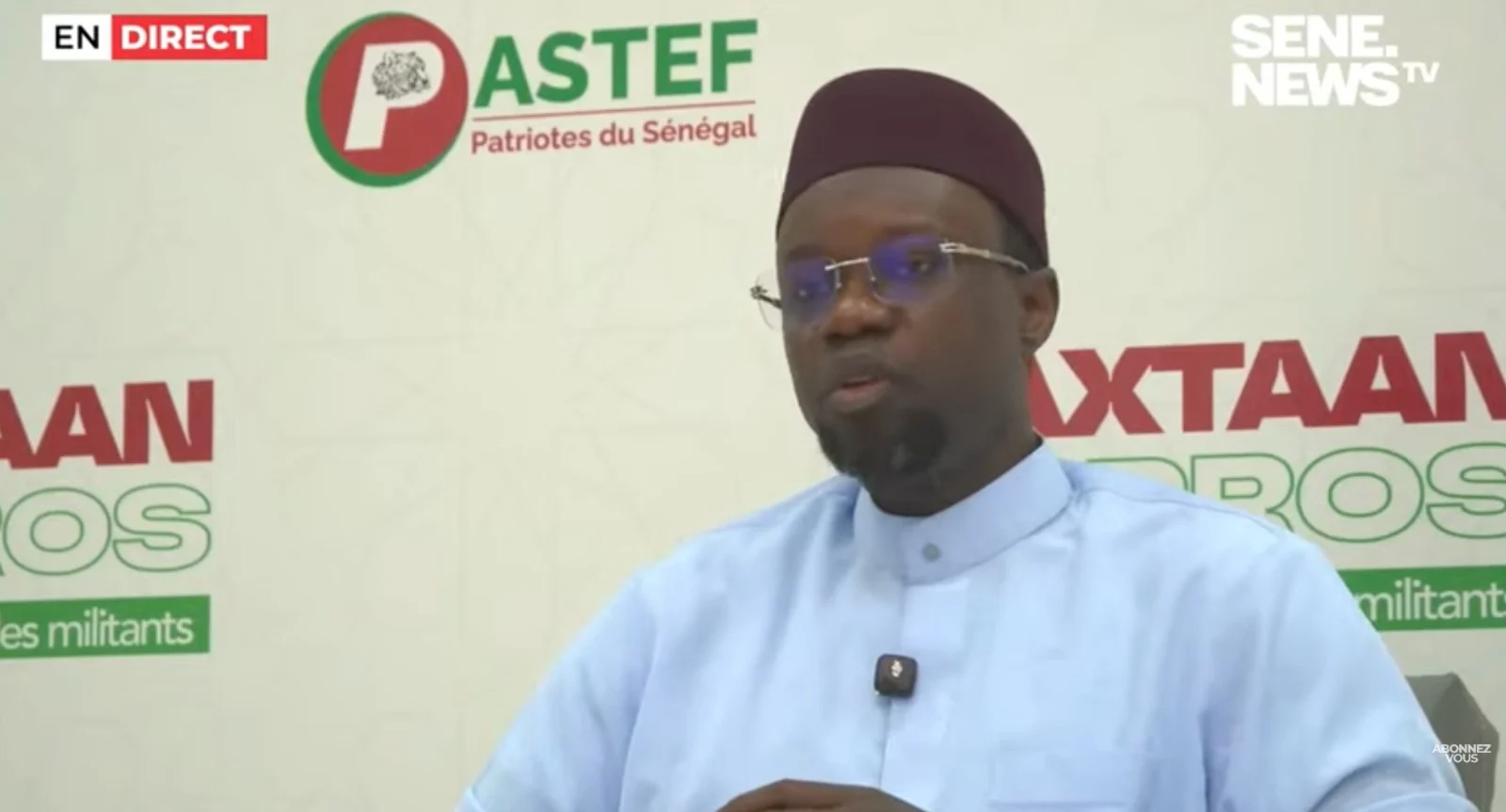
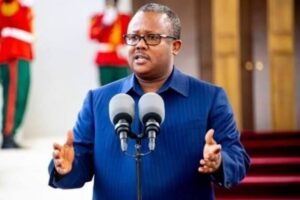
Prime Minister Ousmane Sonko convened an emergency interministerial council yesterday to address critical gaps in Senegal’s infrastructure and state-owned assets. The meeting centered on a comprehensive audit revealing systemic inefficiencies, abandoned projects, and questionable asset transfers. Sonko described the findings as deeply concerning, highlighting not only financial losses but also the erosion of public trust in government accountability.
Audit exposes systemic failures in public infrastructure
At the heart of the audit’s revelations is the staggering scale of stalled or underutilized projects across the country. A total of 245 infrastructure initiatives—ranging from roads and hospitals to ports and educational facilities—remain either incomplete or grossly underperforming, with an estimated price tag exceeding 5,000 billion FCFA. Sonko emphasized that this figure nearly matches Senegal’s annual national budget, underscoring the magnitude of the financial strain on the state.
The audit identified 30 projects that, despite being fully completed, remain non-operational due to major operational or administrative hurdles. These include critical assets such as the Dakhonga Port and multiple fishing and cold storage facilities, which together represent an immobilized investment of 279 billion FCFA—funds that have failed to deliver any tangible benefit to local communities. Meanwhile, 62 of the 94 ongoing infrastructure projects have stalled mid-construction, with an additional 5,227 billion FCFA at risk. The case of the Sandiara High School was singled out; construction began in 2014 and has yet to reach completion, far exceeding reasonable timelines for educational infrastructure.
Questionable state asset transfers under scrutiny
The investigation also scrutinized the management of state-owned real estate and land holdings, particularly in the Dakar region. A total of 97 properties, valued at 132 billion FCFA, were identified as having been irregularly transferred or sold below market value. Sonko cited the former gendarmerie headquarters site as a prime example—a strategic asset allegedly sold to a private operator before being reclaimed by the state. He further alleged that several prime parcels, valued between 10 and 15 billion FCFA, were sold for less than 1 billion FCFA, raising serious concerns about potential mismanagement or malfeasance.
The Prime Minister expressed frustration over the slow pace of judicial accountability, questioning why those responsible for financial mismanagement continue to evade consequences. He went so far as to suggest that the lack of prosecutions undermines public trust and called into question the very legitimacy of demanding citizen sacrifices. His remarks hinted at what he described as a deliberate obstruction within the justice system, asserting that critical cases are being deliberately delayed by certain magistrates. He stressed that these cases belong to the Senegalese people, not the courts, and hinted at escalating his response in the coming days.
In response, Justice Minister Yassine Fall acknowledged the need for accountability and assured that all responsible parties would face legal consequences. However, Sonko remained unconvinced, reiterating the urgency of accelerating investigations and clarifying lines of responsibility.
New oversight committee established to restore accountability
To address the crisis, Sonko announced the immediate creation of a high-level monitoring committee under his direct leadership. This body will be tasked with completing the inventory of stalled projects, identifying responsible parties, and exploring innovative financing solutions. The government is also considering leveraging state assets through public-private partnerships or reallocating them via the National Investment Fund (Fonsis) to unlock financial potential.
The council concluded with the adoption of eleven directives aimed at unblocking stalled projects across financial, legal, and technical dimensions. Two measures were designated as non-negotiable priorities. The first empowers the Secretary-General of the Government, in collaboration with the Ministry of Infrastructure and sectoral ministries, to finalize a comprehensive inventory of all projects requiring completion, activation, or repurposing. The second establishes an inclusive follow-up committee, also chaired by the Prime Minister, to oversee the implementation of these directives and ensure accountability.
The remaining directives focus on improving project planning and execution. Sonko called for stricter oversight of technical prerequisites—such as water, electricity, and telecom connectivity—as well as sustainable operational models, maintenance frameworks, and long-term viability plans for all public investments.