Senegal’s political landscape shifts as Sonko addresses tensions with Faye
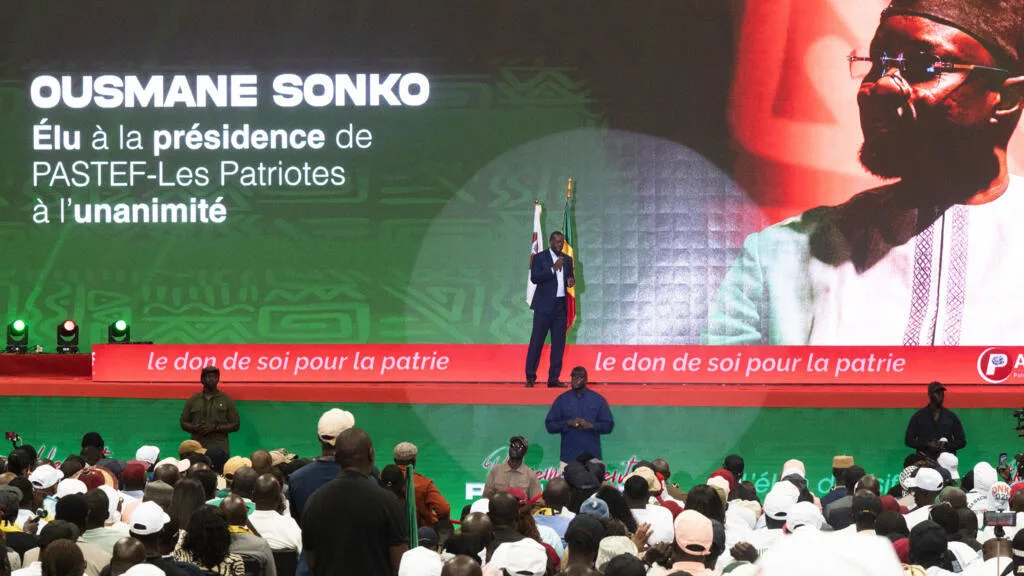
Our correspondent in Dakar reports
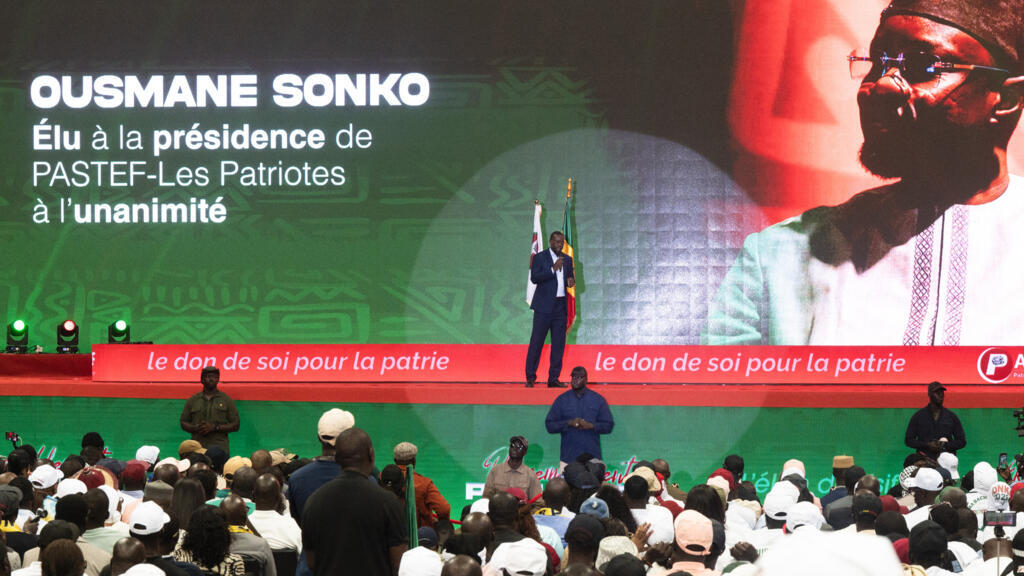
Could the new government face a censure motion? No general policy declaration has been scheduled. While not mandatory, such declarations are customary when a Prime Minister seeks parliamentary confidence. Alternatively, lawmakers may initiate a motion independently, provided one-tenth of the assembly supports it. Ousmane Sonko sought to reassure the nation on Sunday about the broader political climate.
“There is no institutional crisis in Senegal. This new political configuration is not unprecedented—it has occurred elsewhere without fanfare. The Senegalese people have chosen to entrust the executive branch to one leader, even if we are all aware of the circumstances, while the legislative branch has gone to another or to a different group. Admittedly, there are misunderstandings between individuals or political factions. Yet today, neither the Senegalese state, its institutions, security, nor stability are at risk,” he stated.
His remarks come amid a clear political rift. Analyst Moussa Diaw does not foresee an outright confrontation: “Politically, this benefits neither party, especially Sonko. It risks portraying him as obstructionist. I believe both sides will avoid direct confrontation and instead prioritize collaboration while respecting each other’s constitutional roles.”
Diaw also points to potential friction points, including negotiations with the IMF over debt management and legal proceedings related to fatalities from political unrest. Internally, the party must resolve two key issues: the status of dissenting ministers and the role of Bassirou Diomaye Faye, who remains honorary president of the party. Sonko further emphasized that local elections scheduled for January 2027—another potential flashpoint for the Pastef—will proceed as planned. No decree has yet been issued to set the date.