Senégal’s political shift: Sonko reclaims Pastef as Diomaye governs alone
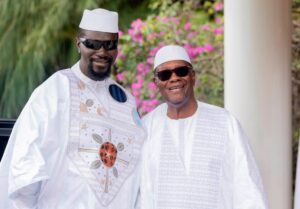
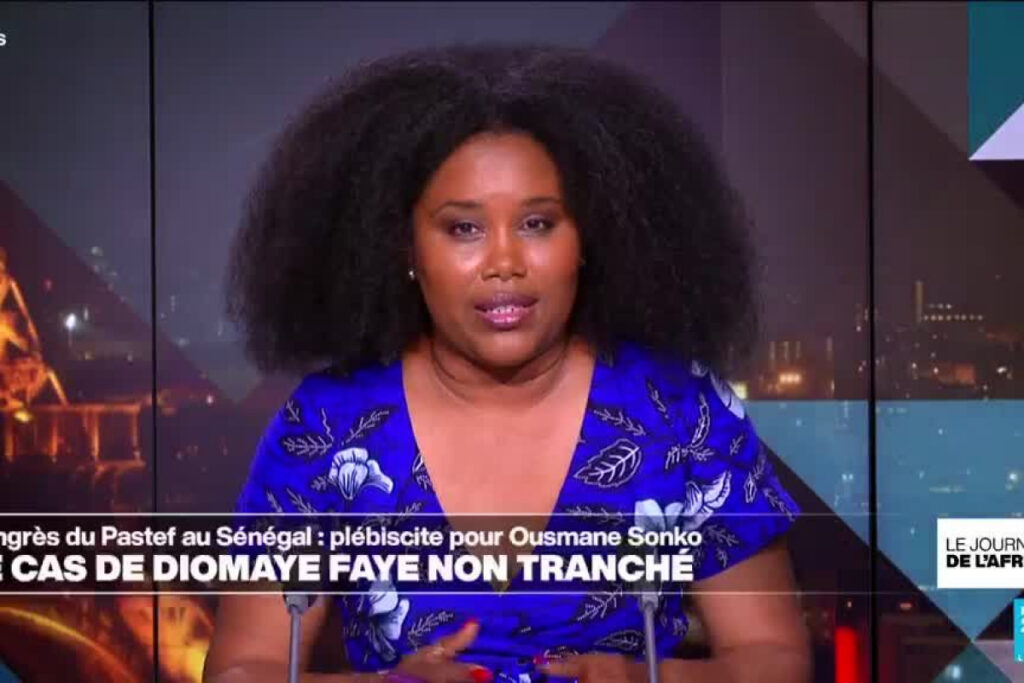
Just under two years into their joint leadership, the partnership between Bassirou Diomaye Faye and Ousmane Sonko has fractured. Following months of escalating tensions, the Senegalese president dismissed his Prime Minister, leaving Sonko to reclaim control of the Pastef party during its first congress since its inception. What does this split signify? Who now holds sway over the reformist electorate? And what implications does this hold for Senegal’s stability ahead of 2029? Insights from Daouda Ngom, former Higher Education Minister, and Mehdi Ba, senior Dakar-based journalist.
A fractured alliance: what led to the breakup?
The alliance between Faye and Sonko, once a symbol of Senegal’s political renewal, has crumbled under the weight of divergent visions. While the president pursued a measured governance approach, Sonko’s ambitions within the party and beyond intensified, culminating in his re-election as Pastef leader. This move underscores a power struggle that threatens the very foundation of their shared movement.
Who controls the reformist vote?
The question now looms: which faction will retain the allegiance of Senegal’s reform-minded electorate? Pastef’s grassroots base remains fiercely loyal, but Sonko’s reassertion of control could either consolidate support or deepen divisions. The coming months will reveal whether the party can present a united front or if fractures will splinter its influence.
Stability at risk: what’s next for Senegal?
With governance now solely in Faye’s hands and Sonko wielding significant party influence, the balance of power in Senegal’s political landscape has shifted. Analysts warn of potential instability as competing agendas clash, raising concerns over policy continuity and national cohesion. The 2029 elections loom large, with both leaders positioning themselves for a pivotal role in shaping the country’s future.