Senegal’s future: territories, diaspora and sovereignty take center stage
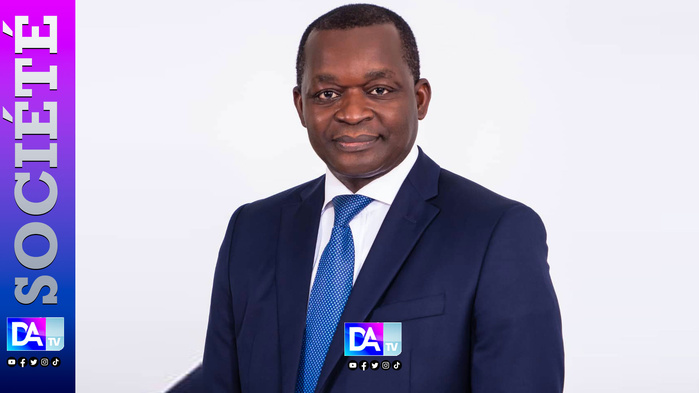
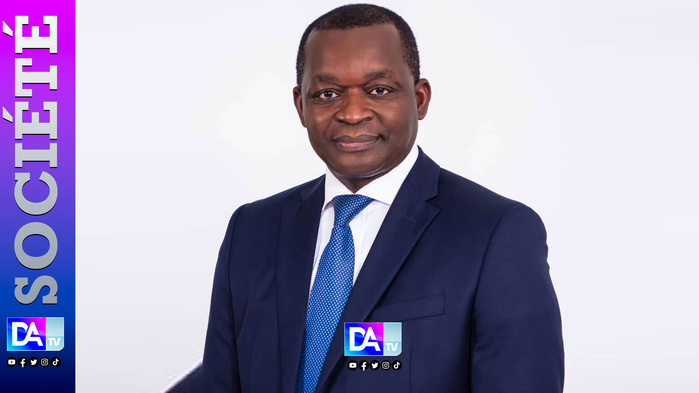
In a dynamic tour across France, Mr. Alioune Sarr, President of the Alliance pour le Sénégal / Andando Ngir Senegaal (APS/ANS), engaged directly with the Senegalese diaspora to advocate for a transformative vision of the country’s development. From Paris to Massy and Creil, his meetings underscored the pivotal roles of local communities, expatriates, and economic sovereignty in shaping Senegal’s future.
Mr. Sarr’s journey was marked by intimate gatherings in Senegalese homes and community spaces. At the Foyer Les Mûriers in Paris’ 20th arrondissement and in Massy, Essonne, he listened closely to the concerns of compatriots while collecting their insights on the nation’s challenges and opportunities. These exchanges highlighted the need for inclusive policies that reflect the realities of all regions.
Creil, in the Oise department of Hauts-de-France, saw particularly strong participation. Led by Ms. Amy Faye, the APS’s political coordinator in France, the event united Senegalese residents and local leaders around Mr. Sarr’s proposals. Discussions centered on territorial development, productive investment, and economic sovereignty—key pillars of the party’s agenda.
A call for unity beyond political divides
Throughout his tour, Mr. Sarr emphasized the importance of transcending partisan divisions to focus on collective progress. « We may differ politically, but we must never be enemies of the Republic, » he stated, urging all actors to prioritize solutions and national interests over positional conflicts.
He also critiqued Senegal’s long-standing centralized development model, which has historically concentrated resources in urban hubs like Dakar. « A country cannot thrive when development is confined to a single pole, » he remarked. « True progress comes when every territory becomes a driver of growth. » His vision champions decentralized governance, where local initiatives fuel national prosperity.
Dakar and the territories: complementary engines of growth
Rejecting any rivalry between Dakar and other regions, Mr. Sarr framed the capital as the nation’s heart, while the territories are its lungs. « A body cannot breathe with one lung alone. It is through the synergy of all regions that Senegal will achieve balanced, sustainable development. »
He cited the Notto Diobasse Smart City project as a blueprint for this approach. By creating territorial poles of production, innovation, and services, the initiative aims to decentralize economic opportunities, ensuring that wealth and jobs are generated across the country. « Senegal’s growth will not trickle down from Dakar—it will rise from the territories, » he asserted.
Land as a strategic asset, not a commodity
Land reform emerged as another critical theme. Mr. Sarr argued that raw land sales—akin to exporting unprocessed resources—deplete the nation’s future. « A hectare’s value lies not in its sale, but in what it produces, » he explained. « Nations that prosper transform their assets; they do not liquidate them. » His message: prioritize the development of land to create jobs, attract investment, and secure long-term prosperity.
The diaspora as a driving force
The President positioned the diaspora as a « ministry of development in the open sky. » He urged Senegalese abroad to move beyond remittances, becoming active investors and partners in territorial projects. « The diaspora is not an ATM, » he said. « It is a reservoir of skills, capital, and ambition ready to be harnessed. »
A new national pact for Senegal
The tour concluded with a rallying cry for a three-pillar pact to guide Senegal’s future:
- Strong territories: Empower local governments to lead development.
- Mobilized diaspora: Transform expatriate engagement into tangible contributions.
- Asserted economic sovereignty: Reject dependency in favor of self-reliance.
The enthusiasm in Paris, Massy, and Creil reflects a growing appetite among Senegalese abroad to play a decisive role in the country’s transformation. As Mr. Sarr concluded, « We did not come to manage the future—we came to build it. »