The Day the Child Was Forgotten
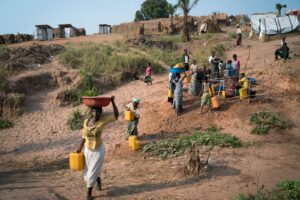
The African Day of the Child, observed annually on June 16, serves as a solemn reminder of the continent’s commitment to the welfare of its youngest citizens. This year’s theme focused on universal access to clean water, sanitation, and hygiene. Yet in Togo, where the government routinely pays lip service to such ideals, the reality remains starkly different. Behind the polished speeches and ceremonial promises lies a pattern of state violence that has left children as collateral damage in a struggle for political survival.
From Soweto to Lomé: A Legacy of Violence
The African Day of the Child traces its origins to the 1976 Soweto uprising, when students took to the streets to demand dignity, education, and basic rights. Today, while many African nations strive to honor that legacy, Togo’s government appears to have weaponized repression against its own youth. The state’s response to dissent is not confined to adults—children, too, have borne the brunt of bullets, batons, and bureaucratic indifference.
The health system, already on the brink of collapse, offers little respite. In overcrowded and underfunded maternity wards, mothers deliver children on bare floors, where the fragility of life is matched only by the indifference of those in power. These conditions do not merely reflect neglect; they epitomize a systematic failure to protect the most vulnerable.
Jacques Koutoglo: A Murder Buried in Silence
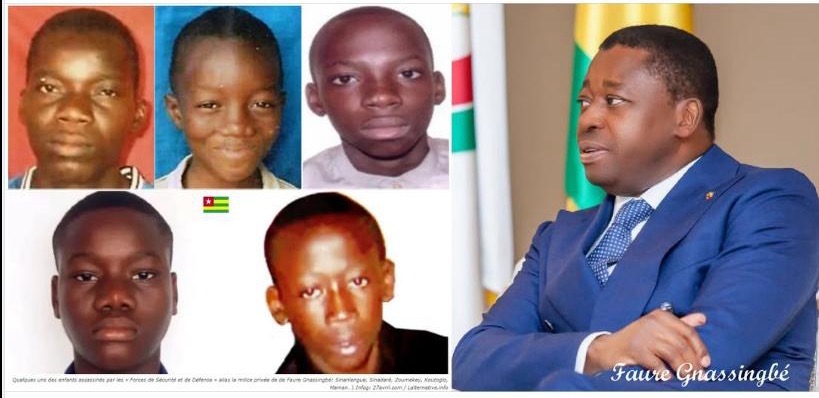
Jacques Koutoglo, a 15-year-old student, was not a protester. On that fateful afternoon in June 2025, he was simply searching for food near the Bè lagoon in Lomé when he was beaten to death and his body discarded in the water. The initial response from authorities was a callous lie: a claim that he had drowned amid the chaos. It took public outrage to force a reversal, and even then, the government’s commitment to truth was short-lived.
Former Human Rights Minister Pacôme Adjourouvi, who initially endorsed the drowning narrative, later announced an official inquiry. Yet no findings have ever been made public, and the minister himself has since left office without resolution. To compound the family’s grief, authorities denied them even a memorial service for their son. Justice, it seems, is a privilege reserved for the powerful.
Joseph Zoumekey and Rachad Maman: Two Graves, No Answers
In 2017, Joseph Zoumekey, just 13 years old, was shot dead while running an errand for his mother in the Bè-Kpota neighborhood. The government’s version of events—an unfortunate accident—was swiftly debunked by an independent autopsy, which confirmed a gunshot wound. Despite international pressure, including from Amnesty International, no one has been held accountable.
A year later, in Bafilo, 14-year-old Rachad Maman met the same fate. He was walking with his father during a peaceful demonstration for democratic reforms when a bullet struck him down. A global petition demanding justice garnered thousands of signatures, yet the response from Lomé was a deafening silence. The files on both cases remain closed, the killers unpunished.
Anselme Sinandaré and Douti Sinalengue: The North Remembers
In the northern city of Dapaong, the memories of Anselme Sinandaré and Douti Sinalengue linger like an open wound. In 2012, both were killed during a student protest demanding the return of absent teachers. Over a decade later, no inquiry has identified the security forces responsible. Their deaths, like so many others, are a testament to the state’s willingness to sacrifice the future for the sake of political control.
From the northern savannas to the southern coast, a grim pattern persists: children are treated as expendable in the pursuit of power. Families are left shattered, their hopes for the next generation erased without consequence. This cycle of violence has defined the Gnassingbé regime since its inception, with no end in sight.
Togo’s signature on the African Charter on the Rights and Welfare of the Child, ratified in 1998, rings hollow in the face of such impunity. By burying inquiries and silencing victims, the government sends a clear message: international treaties are negotiable when political survival is at stake.
The Unfinished Fight for Justice
These stories are not isolated incidents. They are chapters in a larger narrative of repression, where the lives of children are deemed insignificant in the grand calculus of power. The absence of accountability is not an oversight—it is a deliberate choice. Until the government of Faure Gnassingbé confronts its crimes, the African Day of the Child will remain a cruel irony for the families of Togo.