
Strengthening ties: Senegal’s foreign minister eyes deeper AES cooperation
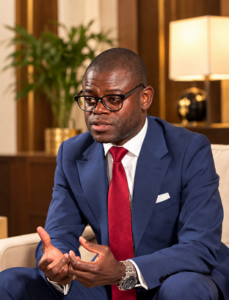
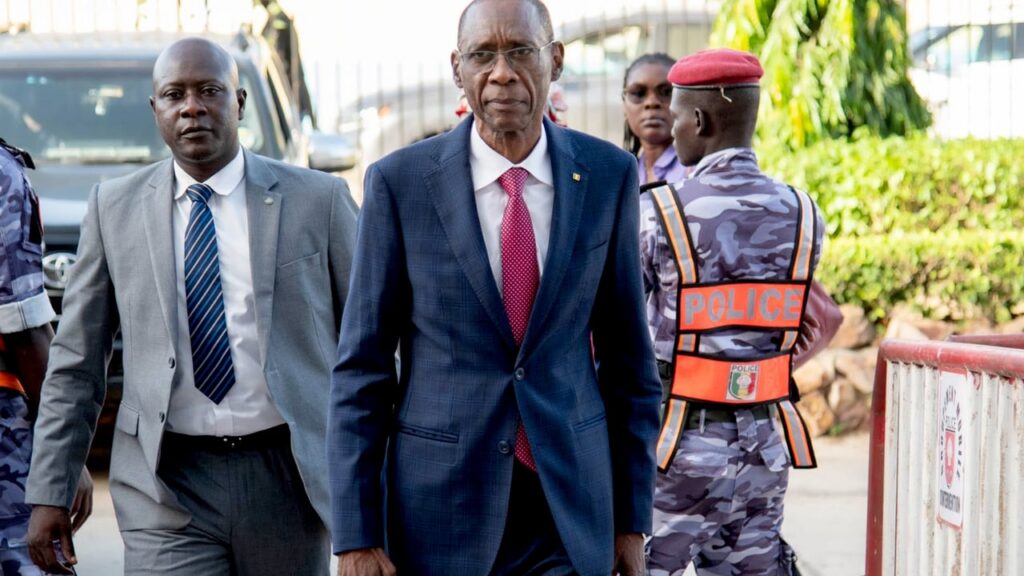
Dakar is gearing up for a pivotal moment in regional diplomacy as Cheikh Niang, Senegal’s Minister of African Integration, Foreign Affairs and Senegalese Abroad, takes the lead in redefining the country’s engagement with the Alliance of Sahel States (AES). With a seasoned diplomatic background, Niang is positioning Dakar as a bridge between coastal stability and Sahelian resilience.
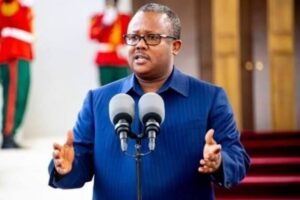
Speaking from the capital this week, the minister outlined a vision centered on dialogue, mutual respect and shared progress. “Senegal remains committed to fostering peace and stability across West Africa,” he stated, emphasizing the need for coordinated action in the face of evolving regional challenges.
Diplomatic strategy: dialogue as the cornerstone
Niang’s approach hinges on constructive engagement rather than confrontation. He highlighted recent high-level exchanges with AES member states, underscoring Senegal’s willingness to collaborate on security, economic development and humanitarian initiatives. “We believe in dialogue as the most effective path forward,” he added, reflecting a shift from past tensions toward a more cooperative framework.
The minister also pointed to Senegal’s strategic location as a key asset. “Our position at the crossroads of West Africa gives us a unique role to play in easing regional divides.” By leveraging Dakar’s diplomatic channels, Niang aims to mediate differences and promote inclusive solutions that benefit all stakeholders.
Security and stability: a shared priority
Security concerns have dominated regional agendas, with Sahel nations facing persistent threats. Niang acknowledged these challenges but stressed Senegal’s proactive stance. “We are actively working with our neighbors to address terrorism, trafficking and governance gaps,” he noted. His remarks signal a commitment to aligning Senegal’s policies with those of the AES, despite differing political trajectories.
The minister’s diplomatic overtures come at a time when Senegal is balancing its role as a stable democracy with its ambition to play a bigger part in Sahel affairs. His efforts reflect a broader effort to harmonize national interests with regional solidarity.
Economic integration: unlocking Sahel’s potential
Beyond security, Niang’s agenda includes economic integration as a pathway to prosperity. He spoke of revitalizing trade corridors, boosting infrastructure projects and facilitating cross-border investments. “Economic partnerships are essential for long-term stability,” he asserted, calling for innovative financing models to support Sahelian development.
His proposal includes leveraging Senegal’s ports and logistics networks to enhance regional connectivity. By positioning Dakar as a gateway to the Sahel, Niang envisions a future where economic growth is distributed more evenly across West Africa.
Looking ahead: Senegal’s evolving role in the Sahel
The minister’s initiatives mark a significant departure from Senegal’s previous cautious approach to the AES. While maintaining its democratic values, Dakar is now embracing a more assertive diplomatic role. Niang’s leadership in this arena could redefine Senegal’s influence in the Sahel, fostering deeper ties with its neighbors.
As regional dynamics continue to shift, Senegal’s engagement under Niang’s guidance will be closely watched. His ability to balance national interests with regional cooperation will determine whether Dakar can become a pivotal player in reshaping the Sahel’s future.