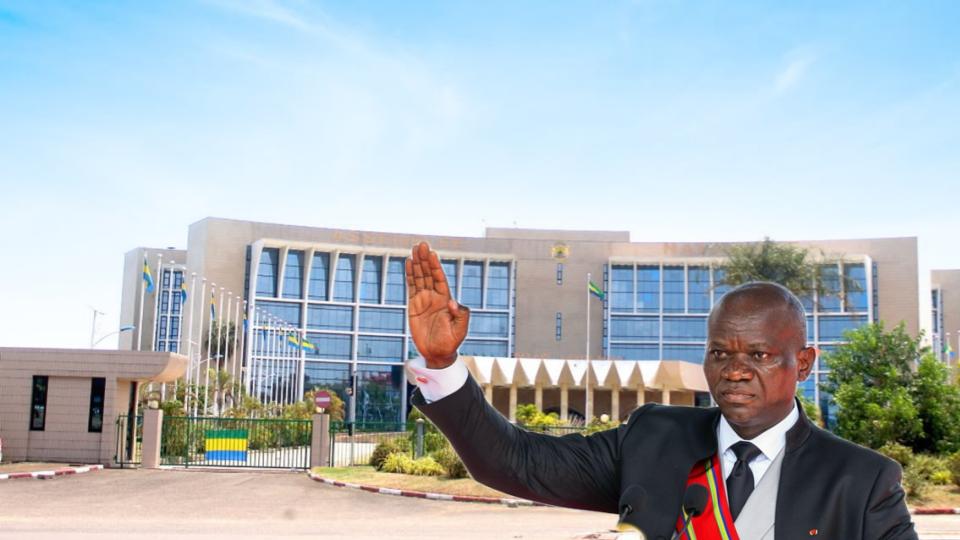
On June 15, 2026, Gabon’s Parliament will convene in a historic joint session of the 145 deputies and 70 senators to receive a presidential address from President Brice Clotaire Oligui Nguema. This constitutional gathering, mandated by Article 93, is not a legislative session but a pivotal moment for national reflection. Nearly three years after the August 30, 2023 transition and the inauguration of the Fifth Republic, the address arrives at a defining juncture for the nation’s economic and political trajectory.
The significance of this congressional session cannot be overstated. As Gabon navigates a complex economic landscape marked by uncertainty, the presidential communication is anticipated to provide clarity on the government’s strategic direction. With infrastructure projects gaining momentum and international investors showing renewed interest, citizens are closely monitoring how the administration will address pressing fiscal concerns—particularly the revised 2026 budget forecasts and the sustainability of public investment amid rising debt burdens.
Balancing fiscal discipline with social imperatives
The economic backdrop is undeniably challenging. Anticipated revenue shortfalls, sluggish growth, reduced public spending, escalating debt servicing costs, and ongoing negotiations with the International Monetary Fund have created a tight fiscal environment. President Oligui Nguema faces the dual task of safeguarding critical development initiatives while reassuring citizens about the continuity of essential social programs. With purchasing power and access to public services remaining top concerns, the address must strike a delicate balance between austerity measures and protecting vulnerable communities.
Energy reliability has emerged as a flashpoint in this equation. Persistent power outages continue to disrupt daily life and business operations, undermining the government’s broader agenda to improve infrastructure. Energy access—aligned with the Head of State’s vision of a resilient society—will be a focal point of scrutiny. Will the presidential address unveil concrete solutions for funding energy projects? Will it reinforce commitments to debt control and inclusive reforms? These questions weigh heavily on both economic stakeholders and ordinary citizens as they await a roadmap for the coming months.
The stakes are high: this communication is not merely symbolic. It represents an opportunity to restore confidence, align expectations, and chart a sustainable path forward for Gabon’s future.