The Senegalese government has launched a comprehensive review of its public assets, targeting 25 completed infrastructures that have never delivered the expected services. According to official findings, these underperforming assets represent a collective value of 279 billion CFA francs—an immobilized budget that yields no economic or social returns. This initiative exposes a persistent flaw in public procurement: the disconnect between project completion and effective operationalization.
Targeted audit of dormant state assets
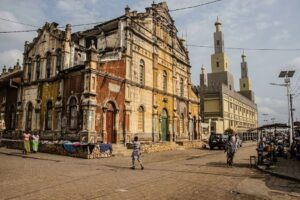
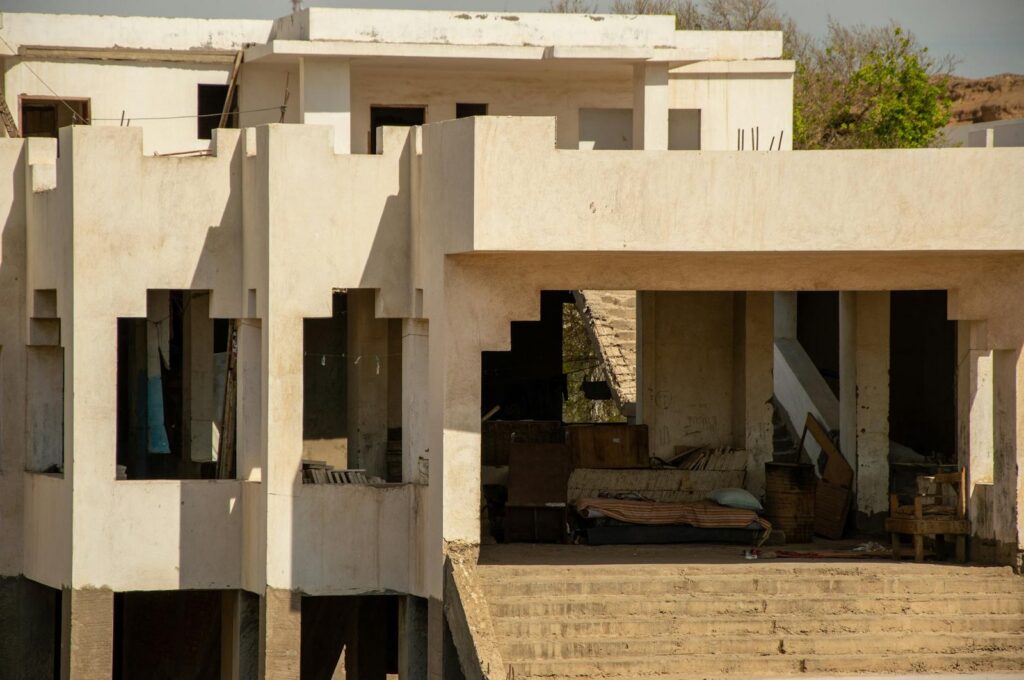
This systematic evaluation focuses on state-owned properties left idle, including administrative buildings, sector-specific facilities, and economic infrastructure. Each unused asset represents a financial drain, as maintenance costs, security expenses, and potential degradation add up while no services are rendered. The initiative prioritizes identifying the root causes behind each idle infrastructure, which often stem from inadequate operational budgets, lack of pre-defined usage plans, or missing logistical frameworks for activation.
Dakar’s strategy involves reintegrating these assets into productive or administrative circuits through redeployment, inter-agency sharing, or public-private partnerships. The approach requires a granular assessment of each case to determine the most viable solution. Common challenges include infrastructures delivered without allocated operational funds, buildings constructed without clear assignments, and projects lacking the necessary supply chains for service delivery.
Budgetary pressure drives accountability
This audit aligns with the government’s broader agenda of financial transparency and expenditure control, a priority since 2024. By unlocking the value of these 279 billion CFA francs in already-paid assets, Senegal aims to reduce reliance on external financing and ease debt servicing pressures. The move complements ongoing reviews of public contracts and parastatal entities, reinforcing the principle of maximizing existing resources before pursuing new investments or tax increases.
The initiative also responds to long-standing critiques from the Cour des comptes, which has repeatedly highlighted the weaknesses in post-delivery management within Senegal’s public procurement system. By addressing inefficiencies in infrastructure governance, the government seeks to bridge the gap between project delivery and actual utility.
Strengthening project governance and accountability
The audit underscores a critical gap in infrastructure governance: the handover of an asset does not mark the end of its lifecycle but the beginning of its economic contribution. However, the division of responsibilities across ministries and agencies often leads to fragmented oversight, creating blind spots in project execution. International financial institutions have long emphasized the need for clearer accountability chains, from feasibility studies to service activation.
For the 25 affected sites, possible solutions include reassigning them to government agencies currently renting private office spaces, generating immediate cost savings. Alternatively, some could be leased or concessioned to private operators under strict performance criteria. A third option involves addressing missing components—equipment, staffing, or utilities—to activate the originally intended services. Each scenario will be evaluated on a case-by-case basis, with decisions guided by budgetary constraints and long-term viability.
This initiative serves as a credibility test for Senegal’s administration. Transparency in progress reporting and the establishment of verifiable indicators will be key to its success. By revitalizing these dormant assets, Senegal could set a regional benchmark for combating the issue of “ghost infrastructures,” a challenge that undermines public investment efficiency across West Africa.