Government stands firm on penal code reform amid international scrutiny
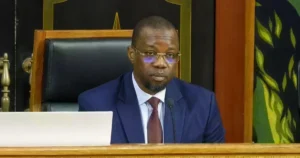
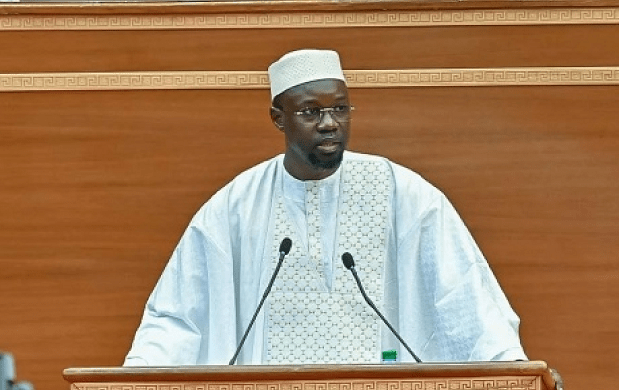
The Prime Minister, Ousmane Sonko, made a definitive statement to lawmakers this week, declaring that the newly enacted law targeting acts deemed “against nature” will be enforced with full rigor. Speaking during a parliamentary session dedicated to current affairs, Sonko dismissed concerns raised by international observers regarding the controversial legislation.
In his address to the National Assembly, Sonko emphasized the importance of strict and impartial enforcement of the amended penal code. He stressed that once a law is passed and signed into effect, it must be respected by all citizens, regardless of opposition during legislative debates.
The reform, signed by President Bassirou Diomaye Faye, modifies Article 319 of the Senegalese Penal Code (Law No. 65-60 of July 21, 1965), introducing harsher penalties for acts considered “against nature.” The legislation also criminalizes the advocacy and financing of such acts.
Under the new provisions, individuals found guilty could face imprisonment ranging from five to ten years, accompanied by fines between two and ten million West African CFA francs. The Prime Minister framed the reform as a measure to safeguard public health and societal values, citing concerns such as the spread of HIV as part of the justification.
Addressing criticism from Western capitals, Sonko reaffirmed Senegal’s legislative sovereignty, asserting that the nation’s citizens are entitled to define their own societal norms without external interference. He firmly rejected any notion of a moratorium on the law’s implementation, signaling the government’s unwavering commitment to its application.