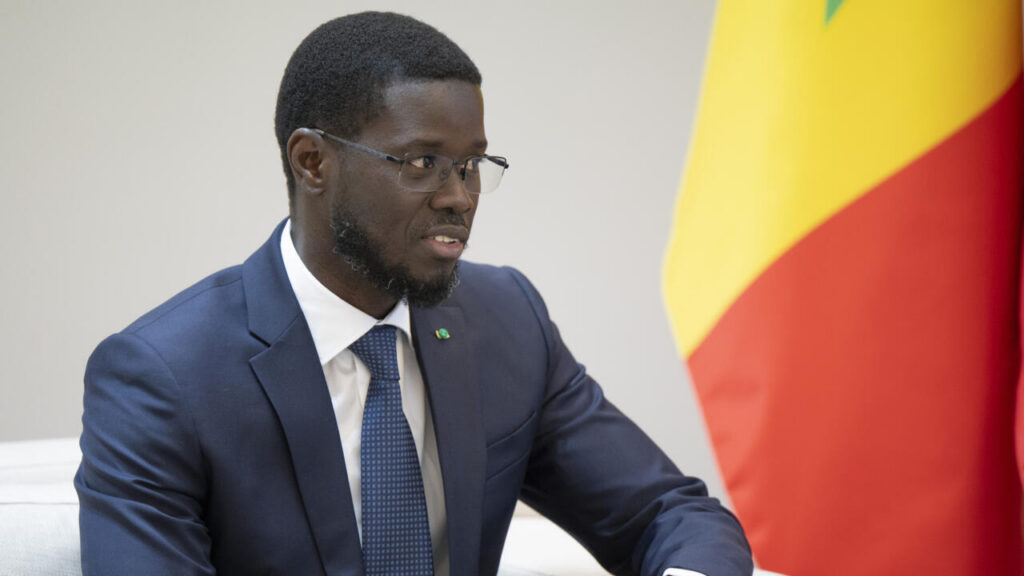
President Bassirou Diomaye Faye of Senegal recently unveiled his intention to establish his own political party. This significant announcement was made before an assembly of approximately 300 mayors, all integral members of the «Diomaye Président» coalition, gathered at the esteemed Palais de la République.
This initiative marks a pivotal moment in Senegalese politics, especially given that President Faye’s ascent to power was largely fueled by the momentum of the Pastef party and the influential leadership of Ousmane Sonko. The decision raises crucial questions about its implications for the nation’s political landscape.
A recently approved constitutional reform, endorsed by a majority of deputies in the National Assembly, explicitly states that no head of state may concurrently lead a political party. This provision immediately brings into focus the potential implications of President Faye’s new political venture. What shape will this new political project take, and how will it navigate the constitutional framework?
Furthermore, the future trajectory of the «Diomaye Président» coalition, which played a crucial role in his election, is now a key point of discussion. Will it be dissolved, transformed, or will it continue to operate in a redefined capacity?
To shed light on these unfolding developments, we turn to Moussa Diaw, an esteemed emeritus lecturer in political sciences at Gaston Berger University in Saint-Louis, Senegal, for his expert analysis.