Beyond the toll of attacks: Burkina Faso’s evolving counterterrorism strategy
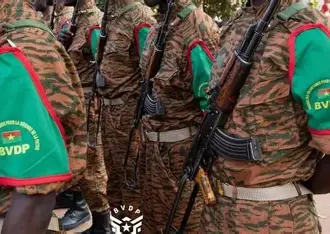
The human cost of the conflict continues to rise. Recent clashes have claimed the lives of at least fifty soldiers and members of the Volontaires pour la défense de la patrie (VDP), underscoring the relentless pressure faced by Burkina Faso’s security forces. Such figures often dominate headlines, framing the situation as an unending cycle of defeat. Yet, the ground reality paints a far more nuanced picture—one of a critical juncture where the army’s aggressive campaigns against terrorist sanctuaries have triggered a desperate counteroffensive from a cornered adversary.
The illusion of numbers: understanding asymmetric warfare
In asymmetric warfare, casualty counts alone fail to capture the true state of play. Deprived of the ability to hold territory amid sustained aerial and ground operations by Burkinabè forces, armed groups have pivoted to a strategy of opportunistic harassment. These attacks, though devastating, are not about territorial gains but psychological warfare. Their primary targets—isolated outposts and supply convoys—are chosen to erode troop morale and fracture the unyielding bond between civilians and defenders.
For the army, these losses are the bitter price of its offensive posture. Venturing beyond barracks to patrol hostile zones is essential for reclaiming ground, but it demands a willingness to absorb casualties. The current toll reflects the grim reality of this necessary gambit.
The VDP: a strategic pivot in Burkina Faso’s defense
Civilian auxiliaries, or VDP, bear the brunt of these assaults. While critics may dismiss them as inadequately trained