In a historic move for African sports, the Sénégal is gearing up to host the Dakar 2026 Youth Olympic Games, a monumental event expected to draw nearly 2,700 athletes from 206 national Olympic committees, along with thousands of officials, volunteers, and spectators. To ensure seamless logistical operations, the country has launched a meticulously planned transport and mobility strategy, spearheaded by a newly formed coordination committee.
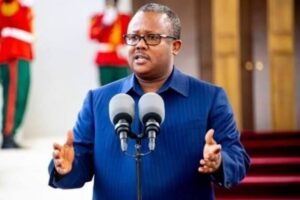
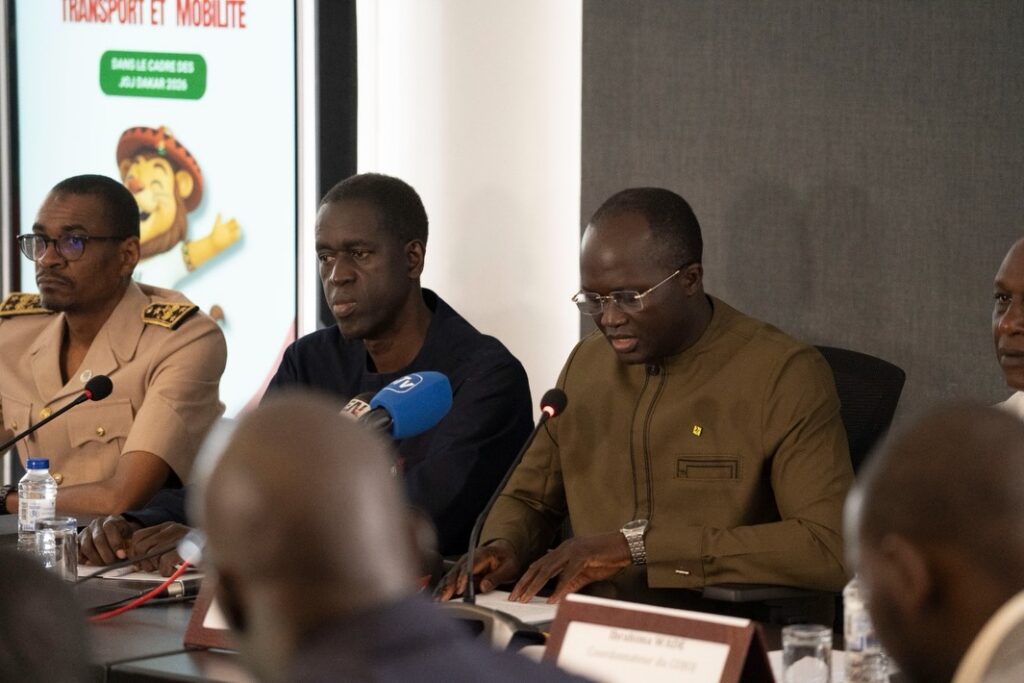
The Minister of Land and Air Transport, Yankhoba Diémé, led the inaugural session of the Steering Committee (COPIL) for Transport and Mobility, marking the official kickoff of the operational blueprint for this landmark occasion. The initiative focuses on three key hubs: Dakar, Diamniadio, and Saly/Mbour, each playing a critical role in the event’s infrastructure.
The organizational framework comprises three pillars: the COPIL, chaired by Minister Diémé, the Technical Committee on Mobility 2026 led by the CETUD, and the AIBD Operations Committee, which will manage airport traffic at the Blaise Diagne International Airport. This structured approach underscores the government’s commitment to delivering a flawless experience for athletes and visitors alike.
Transport efficiency has been identified as a cornerstone of the Games’ success, particularly in bridging the gap between Dakar, Diamniadio, the airport, and Thiès. Rail transport, in particular, is being prioritized to facilitate rapid movement, ensuring timely arrivals and departures while enhancing security protocols.
In the coming months, authorities will conduct full-scale simulations to evaluate the transport and security framework’s effectiveness. The goal extends beyond the event itself—it aims to position the Dakar 2026 Youth Olympics as a showcase of Sénégal’s logistical prowess and leave a lasting legacy in the nation’s transport governance.