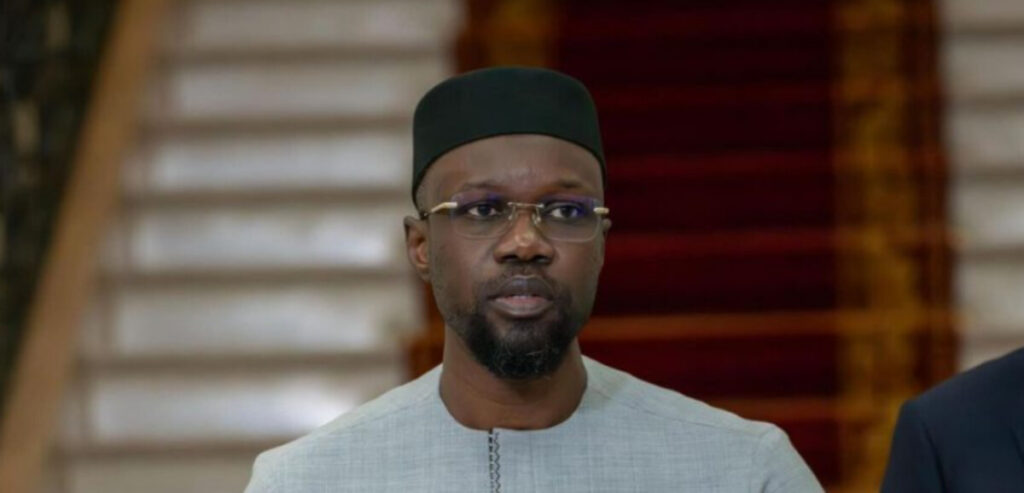
Amid rising tensions over LGBTQ+ rights, Senegal’s Prime Minister Ousmane Sonko delivered a pointed rebuke this past Friday, May 21, rejecting international calls to soften the country’s strict stance on homosexuality.
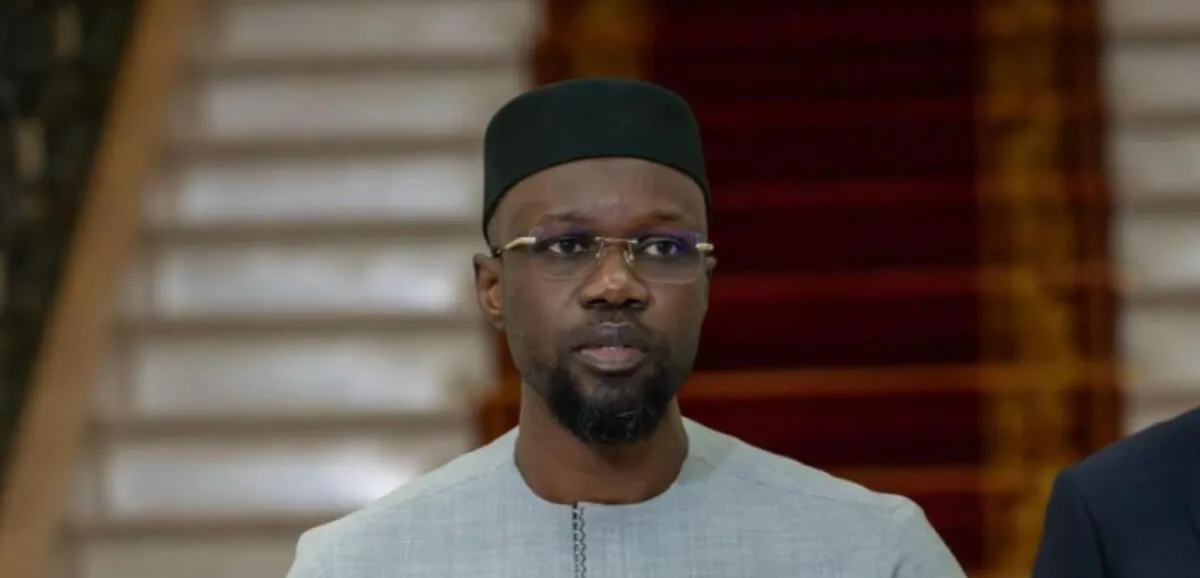
Senegal stands firm against western moral impositions
During a heated parliamentary session, Ousmane Sonko framed the debate as one of cultural sovereignty versus external interference. « While the world counts eight billion people, a handful of Western nations—due to their economic and media influence—attempt to dictate morality to the rest of humanity », he asserted. The Prime Minister emphasized that Senegal would not yield to what he described as a « tyranny of the West », particularly regarding issues of sexuality that he argued run counter to the nation’s deep-rooted religious and cultural values.
New penalties spark national debate
Passed into law on March 31 by President Bassirou Diomaye Faye, Senegal’s updated legislation now imposes prison sentences of up to ten years for same-sex relations, doubling the previous maximum of five years. The move has drawn sharp criticism from human rights advocates, who warn of increased persecution, while supporters argue it upholds Senegal’s moral and legal traditions. Sonko made it clear that no moratorium would be considered, stating that the application of the law would proceed without delay.
A deeply divisive issue
Homosexuality remains one of the most polarizing topics in Senegal, a predominantly Muslim West African nation where societal and religious norms strongly condemn same-sex relationships. The government maintains that its legal framework is an expression of national sovereignty, resisting what it perceives as coercive attempts by foreign powers to reshape domestic policy. As the debate intensifies, the law’s enforcement is poised to further strain Senegal’s international relations, particularly with Western governments and advocacy groups.