Sénégal’s constitutional reform: civil society demands transparent referendum
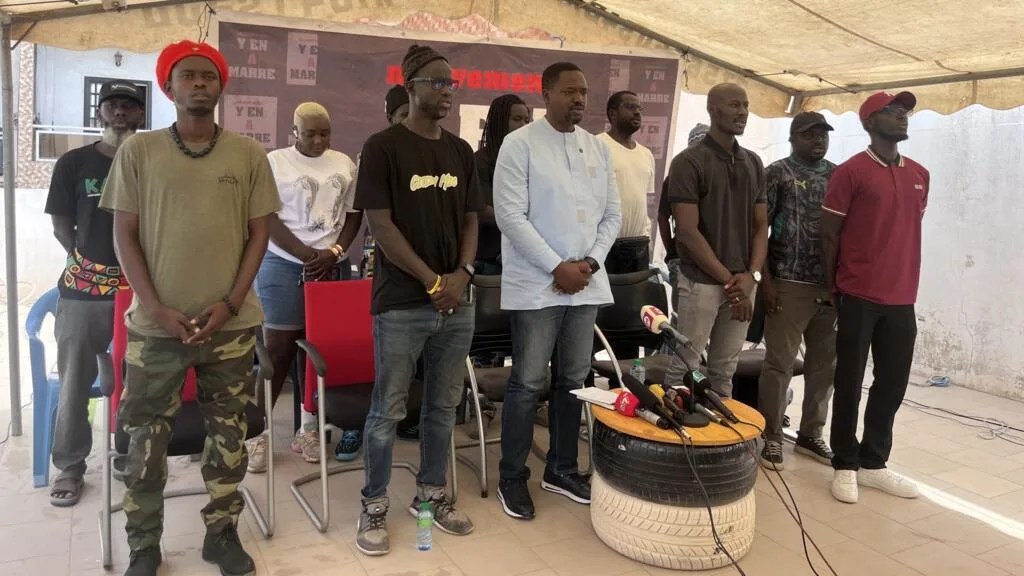
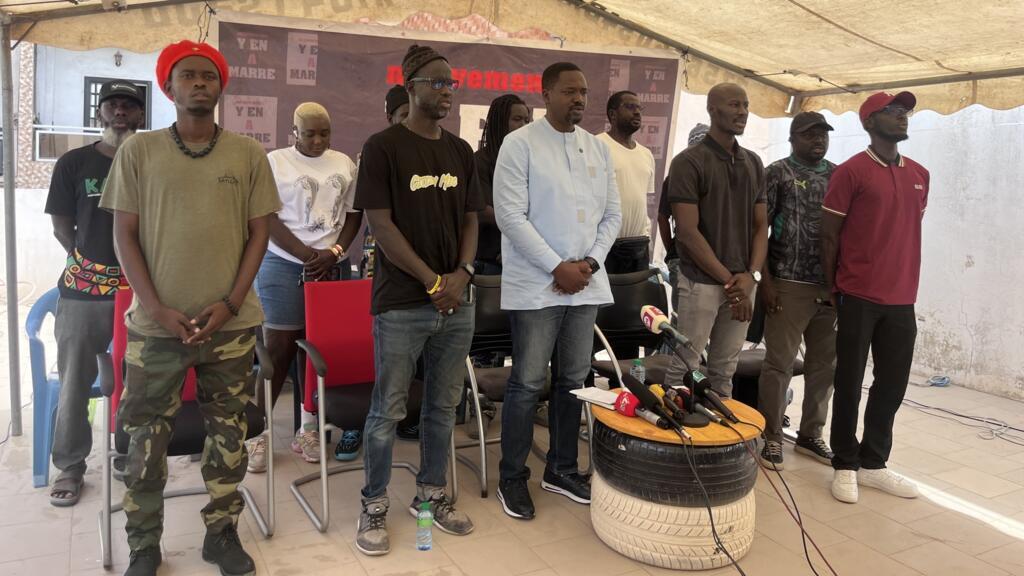
Civil society in Sénégal has welcomed a fresh push for clarity as the constitutional reform debate intensifies. The National Assembly’s endorsement of the proposed changes on June 29 has sparked fresh discussions about the best path forward—with the Y’en a marre movement, a long-standing civic organization, insisting the reforms must undergo a referendum before final approval.
Bassirou Diomaye Faye, the President, has already signaled his support for a referendum, aligning with calls from civil society. However, Y’en a marre is urging authorities to ensure the process remains free from political maneuvering or delays. Aliou Sané, the movement’s founder, emphasized the need for genuine civic engagement: “This referendum must not serve as a delaying tactic to undermine the reform drive led by the Pastef. Let’s move forward, but give citizens the space to understand and decide.”
Shadows of the past and new controversies
The movement has also voiced strong concerns about the reemergence of old political tactics, including attempts to discredit critics. Since opposing the Pastef’s approach, Y’en a marre has faced accusations—particularly from figures linked to Ousmane Sonko’s party—of being a “LGBT lobby.” Homosexuality remains heavily stigmatized in Sénégal, with legal penalties for same-sex relations tightened earlier this year.
In a statement, the movement rejected these claims: “This is a tactic we’ve seen before under Abdoulaye Wade and Macky Sall. We’re accused of being funded by LGBT lobbies to destabilize the country—but it’s completely false. We know this topic is deeply sensitive in Senegalese society. When Macky Sall made these accusations, some of those in power today stood with us and were outraged.”
Adding to tensions, twelve individuals—including nine young activists from the opposition Alternative pour la Relève Citoyenne (ARC)—were detained near the National Assembly on June 29, the day the constitutional reform was adopted. They were charged with “disrupting public order” and “participating in an unauthorized protest,” but were released hours later.