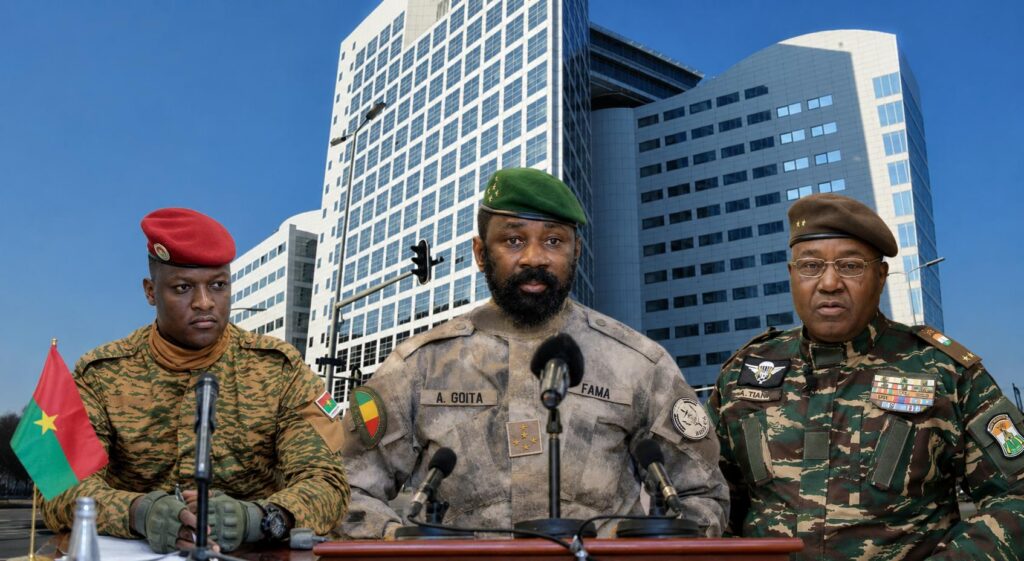
The trio of Sahel nations—Mali, Burkina Faso, and Niger—have now formally severed ties with the International Criminal Court (ICC), following in the footsteps of other authoritarian regimes seeking to evade accountability. While their military juntas cite a flawed narrative of sovereignty against what they call a politicized justice system, the move reveals a calculated strategy: shielding leaders from international law to preserve their grip on power.
From Niamey to Bamako and Ouagadougou: a synchronized withdrawal
In a matter of weeks, the three nations—each governed by military juntas under the Alliance of Sahel States (AES)—have formally notified the United Nations of their intent to exit the Rome Statute, the foundational treaty of the ICC. What began in Niger has now extended to Mali and Burkina Faso, signaling a troubling regional shift toward rejecting global judicial oversight.
A populist shield for authoritarian rule
The juntas have honed their rhetoric, framing the ICC as a neocolonial tool and a selectively applied justice system controlled by Western powers. Yet beneath this nationalist facade lies a far more pragmatic—and sinister—motive. By withdrawing from the ICC, these regimes are effectively granting themselves legal immunity, a time-tested tactic among dictatorships to prolong their rule.
The ICC was established to address the gravest crimes—war crimes, crimes against humanity, and genocide—when national judiciaries fail, refuse, or are unable to act. Now, the leaders of Mali, Burkina Faso, and Niger are closing the door on this safeguard, ensuring that neither they nor their forces will ever face international prosecution for atrocities.
The human cost of impunity
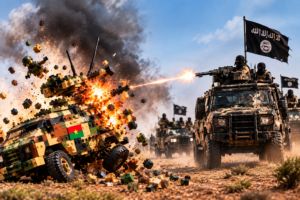
This withdrawal does not erase past crimes; cases already under ICC scrutiny or committed while the Rome Statute was in force remain within the Court’s purview. However, the decision sends a chilling message to the people of the Sahel: a blank check for state violence. Civilians, caught between terrorist groups and military-backed repression, are left with no recourse. The removal of ICC oversight removes a critical layer of protection, emboldening regimes to escalate abuses without fear of consequences.
History has repeatedly shown that impunity does not bring stability—it merely delays reckoning, ensuring that when accountability finally arrives, the cost for the population is far greater. The juntas of the AES may believe they have secured their future, but they have instead deepened the crisis facing their nations.
The illusion of selective justice
For years, the argument that the ICC unfairly targets Africa has gained traction. Yet recent cases in Ukraine and the Middle East have debunked this myth, proving the Court’s reach extends far beyond the continent. The real issue is not selectivity—it’s the fear of prosecution. When regimes like those in Burundi in 2017 withdraw from the ICC, it is rarely about justice and always about avoiding it. The juntas of the Sahel are following the same playbook: silencing dissent, crushing civil society, and severing ties with international observers to operate without scrutiny.
What comes next for the Sahel?
The withdrawal from the ICC is not an isolated act—it is part of a broader pattern of resistance to democratic norms and human rights frameworks. For the people of Mali, Burkina Faso, and Niger, the consequences are immediate: a legal vacuum where atrocities can occur unchecked. The question now is whether this strategy will ultimately strengthen these regimes or hasten their downfall, as past dictatorships have discovered that impunity is a fragile shield against the tide of justice.