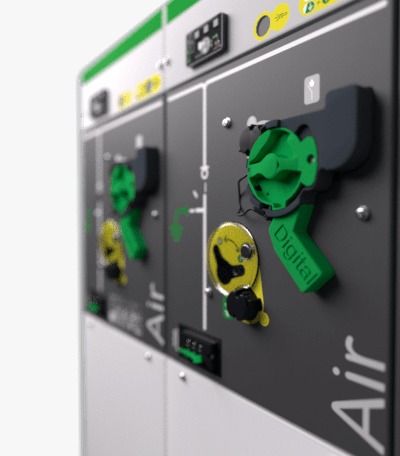
Global leader in energy management and automation, Schneider Electric, announced on Tuesday, July 7, 2026, the launch of its innovative medium-voltage (MV) electrical switchgear range, dubbed « AirSeT », in Côte d’Ivoire. This cutting-edge technology, which ingeniously combines pure air with vacuum interruption, aims to champion the environmental transition and support the evolving regulatory landscape of the Ivorian electricity sector.
Recognized as the economic and energy powerhouse of Francophone West Africa, Côte d’Ivoire is steadfast in its ambition to become the regional electricity hub, particularly within the framework of the West African Power Pool (WAPP). Realizing this vision demands substantial investments in medium-voltage distribution infrastructure to guarantee a consistently reliable power supply.
Nicole Malan, Vice President of Business Power Systems and Infrastructure for Schneider Electric’s Sub-Saharan Africa cluster, emphasized Africa’s unique opportunity: « L’Afrique a une opportunité unique : construire dès aujourd’hui des infrastructures électriques qui resteront pertinentes dans 30 à 40 ans » (Africa has a unique opportunity: to build electrical infrastructures today that will remain relevant for 30 to 40 years). She further underscored that this solution, blending « air pur et digitalisation avancée » (pure air and advanced digitalization), aligns perfectly with international standards and the future demands of the market.
The introduction of AirSeT is a strategic move, aligning with Côte d’Ivoire’s national development plan, which targets an impressive 45% renewable energy share in its electricity mix by 2030. The nation is currently grappling with a swift increase in electricity demand, primarily driven by the rapid urbanization of Abidjan and the robust expansion of its agro-industrial sector, notably cocoa processing.
According to the group, these new electrical components have been meticulously designed for seamless integration into existing networks. They require no modifications to current footprints and no additional training for technicians, thereby enabling operators to proactively meet and exceed future international standards.