The Confederation of African Football (CAF) has officially endorsed the joint bid of Burkina Faso, Mali, and Niger to host the Africa Cup of Nations (CAN) in 2032. This landmark decision, confirmed in New York, marks a symbolic yet critical first step for the three Sahelian nations, now tasked with proving their readiness through robust infrastructure and stringent security measures.
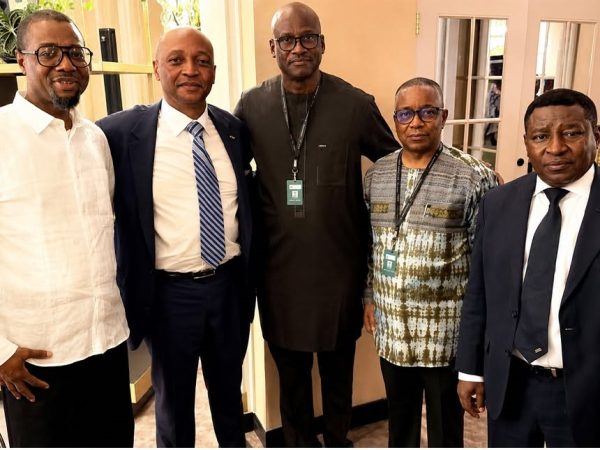
On July 18, leaders from the three countries—Burkina Faso’s Colonel Oumarou Sawadogo, Mali’s Mahamadou Cissé, and Niger’s Issaka Adamou—met with CAF President Patrice Motsepe to formalize their shared ambition. While the announcement was made public two days later, the validation itself is merely a procedural milestone, aligning with CAF’s bid regulations without guaranteeing final approval.
Procedural milestone, not a guaranteed win
Under CAF’s Article 7.3, the trio has cleared the initial administrative hurdle: submitting a joint declaration of interest. This allows their bid to proceed, but the real test lies ahead. The next phase demands meticulous planning, particularly in evaluating stadiums, hotels, and transportation networks across the three nations. The CAF’s long-term strategy, which includes opening bids for CAN 2028, 2032, and 2036 simultaneously, aims to foster well-prepared candidacies rather than rushed proposals.
Lessons from East Africa’s tripartite model
Co-hosting is not unprecedented for CAF. Kenya, Uganda, and Tanzania will jointly organize CAN 2027, setting a precedent that Burkina Faso, Mali, and Niger could emulate. By pooling resources, the Sahelian trio could alleviate the financial and logistical burden of meeting international standards. CAF’s leadership has praised this collaborative approach, emphasizing adherence to established protocols while acknowledging the bid’s regional cooperation value.
Football as a diplomatic tool for the AES
The joint bid extends beyond sports, reflecting the Alliance of Sahel States’ (AES) broader push for autonomy. Since severing ties with ECOWAS, the military-led governments in Ouagadougou, Bamako, and Niamey have intensified regional initiatives, from economic policies to diplomatic alliances. A successful CAN bid would offer the AES an unprecedented global platform, especially as the region grapples with ongoing security challenges. The African Union recently condemned deadly attacks in Niger and Mali, underscoring the delicate balance between showcasing unity and addressing instability.
The CAF’s evaluation will hinge on two pillars: security and infrastructure. The trio must demonstrate not only the capacity to host a continental tournament but also the resilience to maintain stability amid persistent threats. The journey to 2032 is far from over, with technical feasibility and logistical readiness now taking center stage.
What’s next for the Sahel’s CAN dream?
With the declaration validated, Burkina Faso, Mali, and Niger must now focus on compiling a technical dossier that meets CAF’s exacting standards. The outcome remains uncertain, as no other candidates have emerged, but the competition’s rigor demands unwavering commitment. Success could redefine the Sahel’s image, transforming a political alliance into a symbol of regional resilience and ambition.
The CAN 2032 bid is more than a sporting ambition—it’s a test of the Sahel’s ability to turn shared challenges into shared achievements.