While global attention remains fixated on conflicts in Eastern Europe and the Middle East, a silent catastrophe continues to unfold across the Sahel. In 2026, over 24 million people will require urgent humanitarian assistance—a crisis the United Nations describes as one of the world’s most underfunded and severe.
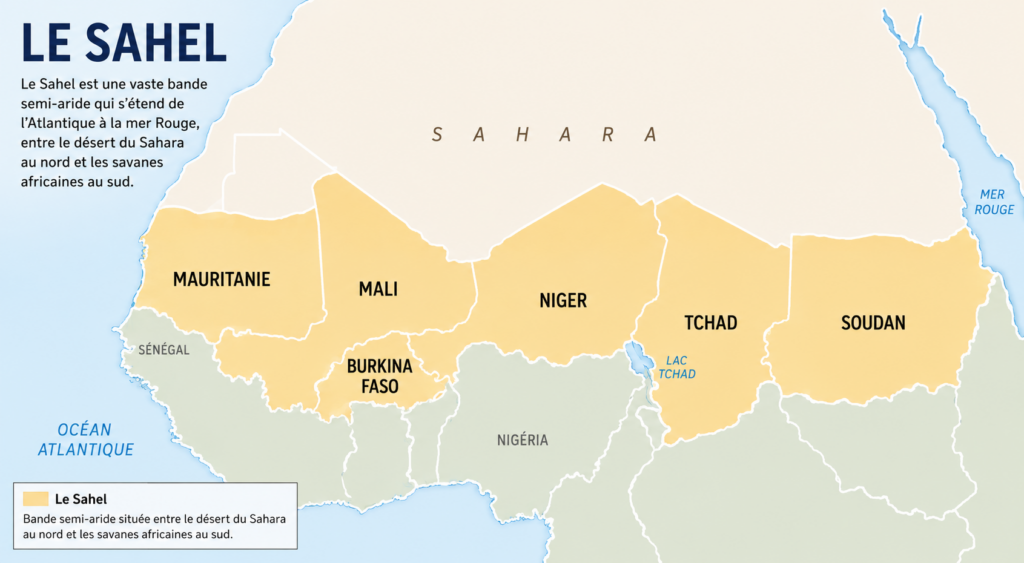
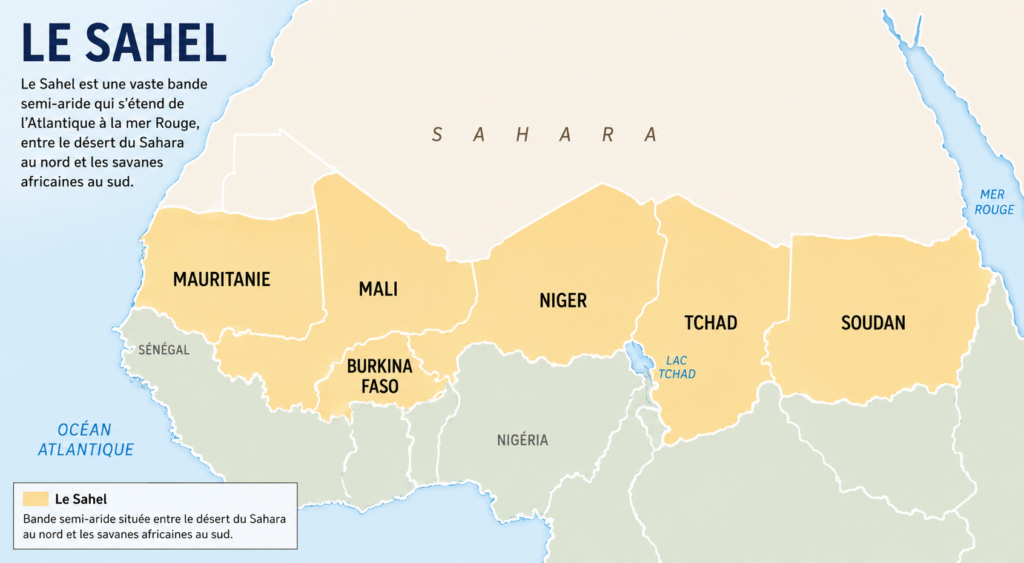
The crisis spans from Mauritania to Chad, cutting through Mali, Burkina Faso, and Niger, where communities face a perfect storm of challenges. Armed conflicts, mass displacement, soaring inflation, climate change, and food insecurity are pushing millions to the brink of survival. Families are struggling to meet basic needs as economic pressures mount and essential services collapse.
United Nations data reveals a stark reality: between June and August—the critical pre-harvest period—nearly 15.5 million people could face food crises or worse. Among them, over 1.5 million may slip into emergency levels of hunger, requiring immediate intervention to prevent catastrophic outcomes.
The human cost behind these numbers is devastating. Parents skip meals to feed their children. Farmers abandon their lands as fertilizer and seed prices skyrocket. Children are forced out of school, and entire communities flee violence only to find themselves in makeshift camps with limited resources.
Declining international support deepens the emergency
Humanitarian agencies warn that funding shortages are reaching critical levels. In 2025, just 29% of the required funds for Sahel operations were secured—the lowest in years. This shortfall forces agencies to scale back operations, abandon programs, or withdraw from high-risk areas entirely. The timing could not be worse, as rising global fuel and transport costs—fueled by Middle Eastern tensions—drive up prices for food and agricultural inputs across the region.
Every dollar lost in funding translates directly to fewer meals distributed, less protection for women and children, and reduced access to healthcare and education. The United Nations emphasizes that without urgent financial commitments, the situation will spiral further out of control.
Security threats expand, disrupting lives and futures
The food crisis is intertwined with a worsening security landscape. Once confined to central Sahel nations, armed groups are now expanding their reach into West African coastal states. Their growing influence has triggered mass displacements and the closure of vital services. Nearly 12,900 schools have shut down, depriving over 2.3 million children of education—a loss that threatens to create a lost generation with few economic prospects and heightened vulnerability to recruitment by armed factions.
Climate change adds another layer of devastation
The region is also grappling with the fallout from climate change. Since the start of 2026, nearly 590,000 people have been affected by catastrophic flooding, while prolonged droughts and desertification shrink arable land and water supplies. The Sahel, despite contributing minimally to global warming, bears the brunt of its consequences.
Experts stress that the convergence of conflict, economic instability, and climate shocks is creating a humanitarian emergency unlike any other. The United Nations urges international donors to act swiftly, warning that without additional funding, millions could face irreversible suffering in the coming months.