Russia’s Africa Corps reshapes military strategy on the continent
A new chapter is unfolding in Africa’s geopolitical landscape, where power dynamics are as fluid as the borders shaped by colonial history. At the center of this transformation is the Africa Corps, Moscow’s latest military initiative that has emerged from the shadows of the infamous Wagner Group. This strategic evolution is not happening in a vacuum; it reflects Russia’s determined effort to recalibrate its global standing amid shifting alliances on the African continent.
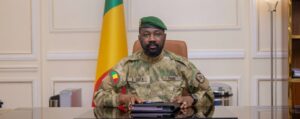
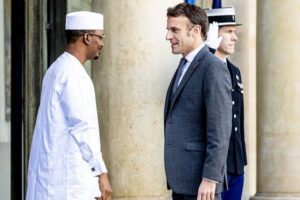
Russia’s pivot toward Africa comes at a time when several nations on the continent are actively seeking to diversify their international alliances. Recent political upheavals in Mali and Burkina Faso have underscored this trend, with local leaders increasingly viewing Moscow as a credible alternative to traditional partners like France and the United States. This realignment is being mirrored by deepening economic and military ties between Russia and these African states.
Wagner’s evolution into the Africa Corps
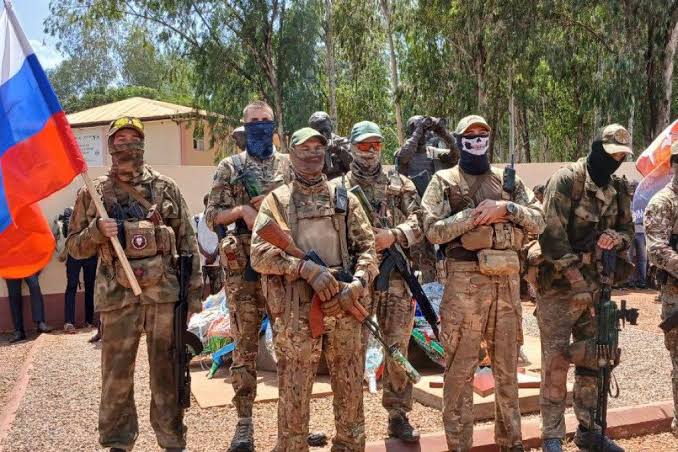
The Africa Corps represents a calculated rebranding of the Wagner Group, a shadowy paramilitary organization that has operated across multiple African conflicts. Wagner’s footprint was notably visible in Libya and the Central African Republic, where their involvement drew international condemnation over allegations of human rights abuses and violations of international law. Now, with the Africa Corps, Moscow appears to be formalizing these operations under a more structured framework while maintaining plausible deniability on the global stage.
Moscow’s strategic focus on the Sahel
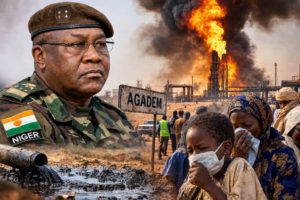
The Sahel region has become a critical theater for Russia’s ambitions in Africa. Plagued by chronic political instability and the persistent threat of Islamist insurgencies, the area offers fertile ground for foreign intervention under the guise of security cooperation. Military analysts estimate that up to 70% of the Africa Corps’ personnel are drawn from former Wagner fighters or similar private military contractors. Their deployment in the Sahel has intensified since the withdrawal of French forces from the region following the end of Operation Barkhane.
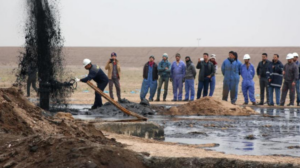
While Russian officials insist these operatives act independently of the Kremlin, their presence aligns suspiciously with Moscow’s strategic interests, particularly in securing access to critical natural resources. Behind this military expansion lies a sophisticated economic strategy designed to cement Russia’s influence across the continent. Agreements between Moscow and African governments often include favorable terms for Russian companies to exploit mineral and oil reserves, providing both financial backing for military operations and a long-term foothold in these nations.
This approach mirrors the tactics employed during the Cold War, when global powers vied for influence through strategic alliances with non-aligned states. Today, however, the driving force is less about ideology and more about economic pragmatism and countering what Russia perceives as entrenched Western dominance in Africa.
Geopolitical implications for Africa and beyond
The emergence of the Africa Corps signals a fundamental shift in how military power is projected and perceived on the continent. For African nations grappling with security challenges, Russia presents an alternative security partner—one that does not impose the same governance or human rights conditions often associated with Western engagements. This dynamic is reshaping the geopolitical calculus in the region, creating new alliances and redefining old ones.
The Africa Corps is not just a military force; it is a tool of influence, blending security cooperation with economic leverage. As African governments weigh their options, Russia’s growing presence offers both opportunities and risks, challenging the status quo and forcing a reevaluation of traditional power structures on the continent.