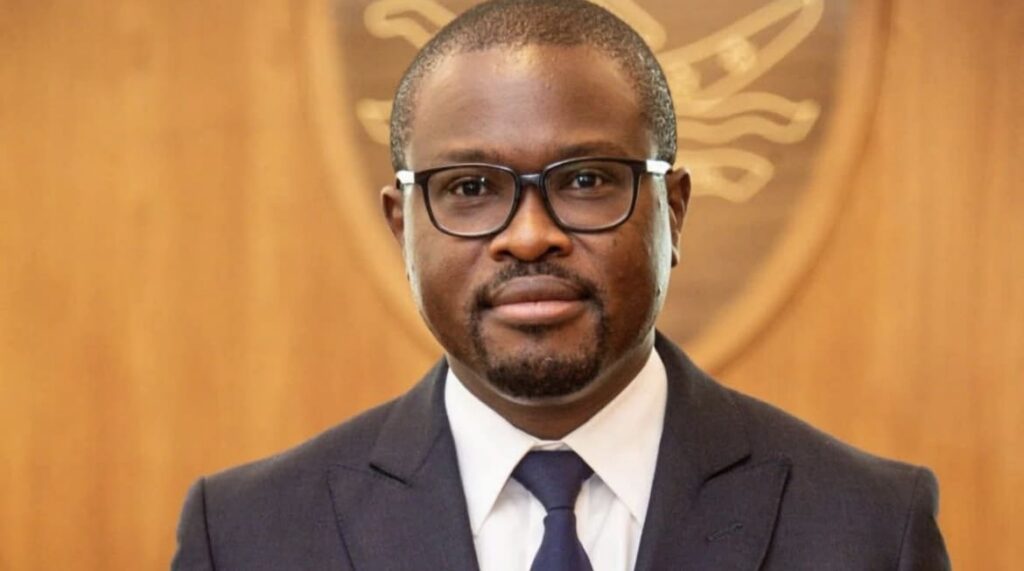
A notable adjustment in the arrangements for a significant national event has been confirmed. The investiture ceremony for Romuald Wadagni, initially scheduled to take place at the Stade Charles de Gaulle in Porto-Novo, will now be conducted at the Palais des Congrès in Cotonou. This modification is far from a mere logistical alteration; it represents a profound statement of political consistency and an affirmation of the modernizing pragmatism that defines contemporary Bénin.
Prioritizing progress over pomp
The decision to relocate the event, specifically to facilitate the commencement of reconstruction efforts at the administrative capital’s stadium, transmits a powerful message to the public. By opting not to defer a substantial infrastructure project for the sake of a celebratory occasion, however significant, the government unequivocally reiterates the paramount importance of the Government Action Program (PAG) timeline.
This reflects a clear strategic choice, emphasizing fundamental priorities. The revitalization of Porto-Novo’s sports infrastructure constitutes an enduring investment in the nation’s youth and the city’s regional prominence. Sacrificing the grandeur of a large public gathering in a stadium to ensure the immediate start of construction demonstrates a style of governance resolutely focused on future advancement rather than transient spectacle.
The Palais des Congrès: a venue for strategic excellence
While a stadium traditionally embodies popular enthusiasm, the Palais des Congrès in Cotonou symbolizes gravitas and specialized expertise. For Romuald Wadagni, a leading figure renowned for his rigorous economic management in Bénin, this setting is exceptionally fitting.
The refined ambiance of the Palais aligns perfectly with the stature of an individual who has significantly enhanced the nation’s financial standing in global markets. This shift moves the event from a conventional political arena to a hub for strategic decision-making. Furthermore, this location offers optimal logistical assurances for accommodating international delegations and investors, thereby reinforcing Bénin’s image as a well-structured and ‘Ready for Business’ nation.
Consensus for the collective good
This change of venue also effectively neutralizes potential criticism regarding the utilization of public assets. By making the stadium available for immediate renovation, the government avoids any further deterioration of an infrastructure already slated for transformation.
Consequently, a technical constraint is transformed into an advantageous communication opportunity, conveying the message: “Development continues unimpeded, even for an investiture.” This exemplifies the triumph of pragmatic governance over populist tendencies.
In conclusion, Romuald Wadagni’s investiture at the Palais des Congrès in Cotonou should not be interpreted as a step back, but rather as an elevation in strategic intent. By choosing not to impede the modernization of the Porto-Novo stadium, the organizers underscore that the individual being invested perfectly embodies President Patrice Talon’s vision: that of a Bénin where every moment is crucial for transforming the national landscape. Spectacle may wait; development, however, cannot.