Regional economic integration: Chad, Cameroon and Central African Republic strengthen cooperation on the transcamerounais corridor
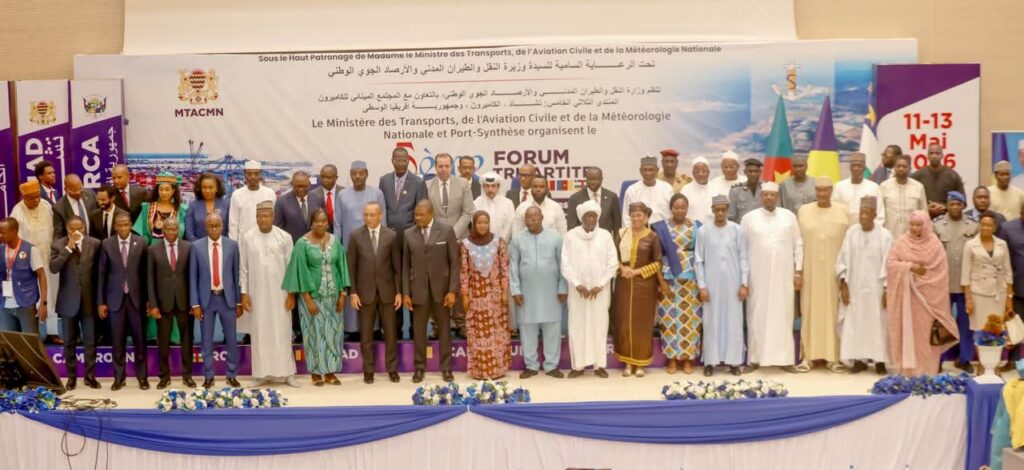
N’Djamena is hosting a pivotal gathering this week as key stakeholders from Chad, Cameroon, and the Central African Republic converge for the 5th tripartite forum focused on regional transit and trade challenges. The high-level event brings together customs officials, port authorities, and business leaders to address critical bottlenecks that impact commerce across the transcamerounais corridor.
The opening ceremony was led by Chad’s Minister of Transport, Civil Aviation and National Meteorology, Fatimé Goukouni Weddeye, who emphasized the need for streamlined procedures to enhance cross-border trade. The forum’s discussions will center on eliminating administrative hurdles, strengthening customs collaborations, and creating a more dynamic economic exchange zone in Central Africa.
Key participants at this year’s forum include:
- General of Division Ousman Brahim Djouma, Director General of Customs and Indirect Taxes in Chad, who will outline the country’s trade facilitation strategies;
- Senior customs officials from Cameroon and the Central African Republic, representing their national trade priorities;
- Port authorities and logistics operators, who will share insights on improving transit efficiency;
- Representatives from the private sector, highlighting real-world challenges faced by businesses operating across borders.
This initiative aligns with broader efforts to integrate regional markets, reduce trade costs, and bolster economic resilience in Central Africa. By fostering dialogue among neighboring nations, the forum seeks to unlock the corridor’s full potential as a driver of growth and stability.
Why the transcamerounais corridor matters
The transcamerounais corridor is a vital trade artery connecting landlocked nations like Chad and the Central African Republic to seaports in Cameroon. It plays a crucial role in:
- Enabling the smooth flow of goods such as agricultural products, minerals, and manufactured items;
- Supporting supply chains that underpin local industries and regional food security;
- Reducing transit times and costs by harmonizing customs and border procedures;
- Facilitating access to international markets for Central African exporters.
However, inefficiencies in documentation, inconsistent regulations, and delays at border crossings have long hindered progress. The N’Djamena forum aims to tackle these issues head-on, with a clear commitment to practical solutions that benefit all three countries.
Shared goals for a stronger economic future
The participating nations are united by a shared vision: to transform the transcamerounais corridor into a model of seamless trade and cooperation. The forum’s agenda includes:
- Simplifying transit procedures by adopting digital tools and standardized documentation;
- Enhancing customs cooperation through joint inspections, mutual recognition of standards, and capacity building;
- Investing in infrastructure to modernize border posts, reduce congestion, and improve cargo handling;
- Promoting private sector engagement by creating platforms for dialogue and partnership.
By addressing these priorities, the three countries aim to not only boost trade volumes but also strengthen economic ties across Central Africa. The outcomes of this forum could pave the way for future integration initiatives, setting a precedent for regional collaboration.
As the forum unfolds in N’Djamena, stakeholders are focused on turning challenges into opportunities. The ultimate goal is clear: a transcamerounais corridor that operates with efficiency, transparency, and mutual benefit for all nations involved.