An exhaustive inventory of public infrastructure projects across Senegal has uncovered 245 assets and initiatives either stalled, incomplete, or underutilized. These findings emerged during a high-level interministerial council chaired by Prime Minister Ousmane Sonko, who emphasized the urgent need to address inefficiencies in the national development agenda.
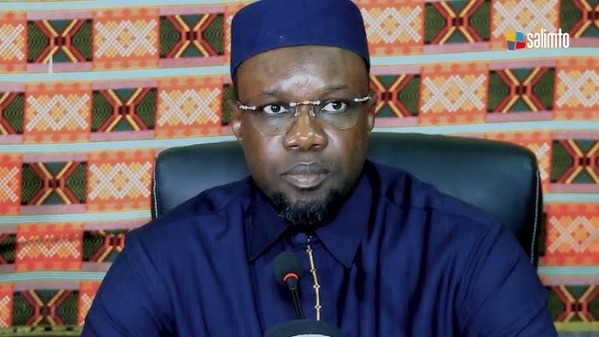
categorizing infrastructure challenges
The assessment divides the identified projects into four distinct categories:
- completed but inactive assets: 30 projects, including 25 that face legal or financial barriers, representing a frozen investment of 279 billion CFA francs. Fifteen of these are classified as high-priority due to their financial impact and the severity of their blockages.
- active assets requiring recycling or monetization: 23 projects spanning eight sectors and managed by 13 entities, valued at 1,065 billion CFA francs.
- ongoing projects needing completion: 94 initiatives, of which 62 are currently stalled. The total investment stands at 5,227 billion CFA francs, with an additional 973 billion required to finalize them.
- recyclable or monetizable state properties: 97 real estate and land assets, predominantly located in the Dakar region, valued at 132 billion CFA francs. Renovation costs for these properties are estimated at 12.1 billion.
root causes of project delays
Prime Minister Sonko identified multiple factors contributing to the stagnation of these critical projects:
- financial constraints: 42 projects stalled due to insufficient investment funds, unpaid invoices, or outright payment defaults, leading to halted construction, missing equipment, or operating budget shortages.
- technical and operational hurdles: 18 projects delayed by coordination failures between project owners and utility providers (water, electricity, telecommunications). Issues include incomplete technical work, delivery delays, missing installations, or inaccessible sites.
- legal and administrative obstacles: 14 projects blocked by unresolved legal disputes, canceled contracts, pending administrative approvals, or the absence of formalized institutional statuses.
- operational shortcomings: 13 projects completed years ago remain unusable due to a lack of operational or management models, creating paradoxical situations where infrastructure exists but serves no purpose.
financial and economic repercussions
The Prime Minister highlighted the substantial losses incurred from these inefficiencies, exacerbated by mismatches between infrastructure and actual needs, incomplete handover procedures, and weak inter-agency coordination. These challenges have led to unnecessary expenditures and delayed socioeconomic benefits for communities.
government’s strategic response
In response to these findings, Ousmane Sonko announced decisive measures:
- Establishment of a dedicated committee within the Prime Minister’s office to finalize the inventory and resolve persistent blockages.
- A formal directive to ministries to expand the inventory, acknowledging that the current assessment may not be exhaustive.
- Urgent recommendations to proactively address technical issues related to connecting water and electricity networks to infrastructure projects.
The Prime Minister condemned the negligence and laxity plaguing project delivery, calling for a zero-tolerance policy to curb delays and ensure accountability. He stressed the importance of integrating operational planning from the outset of infrastructure development to prevent future inefficiencies.
‘’Constructing infrastructure without a clear plan for its operation is not only shortsighted—it is a recipe for failure,’’ Sonko remarked. ‘’These avoidable losses must end, and every project must deliver tangible value to the nation.’’