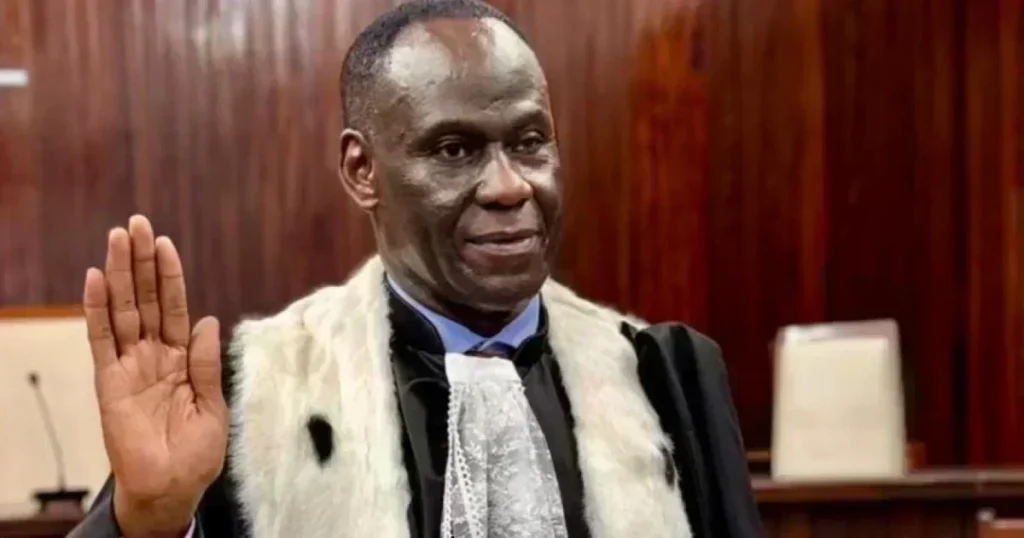
In a solemn ceremony held on Tuesday, August 11, 2026, Ousmane Diagne was officially sworn in as the new president of Senegal’s Constitutional Council. The high-profile judicial event marked the end of a prolonged vacancy at the top of this key institution.
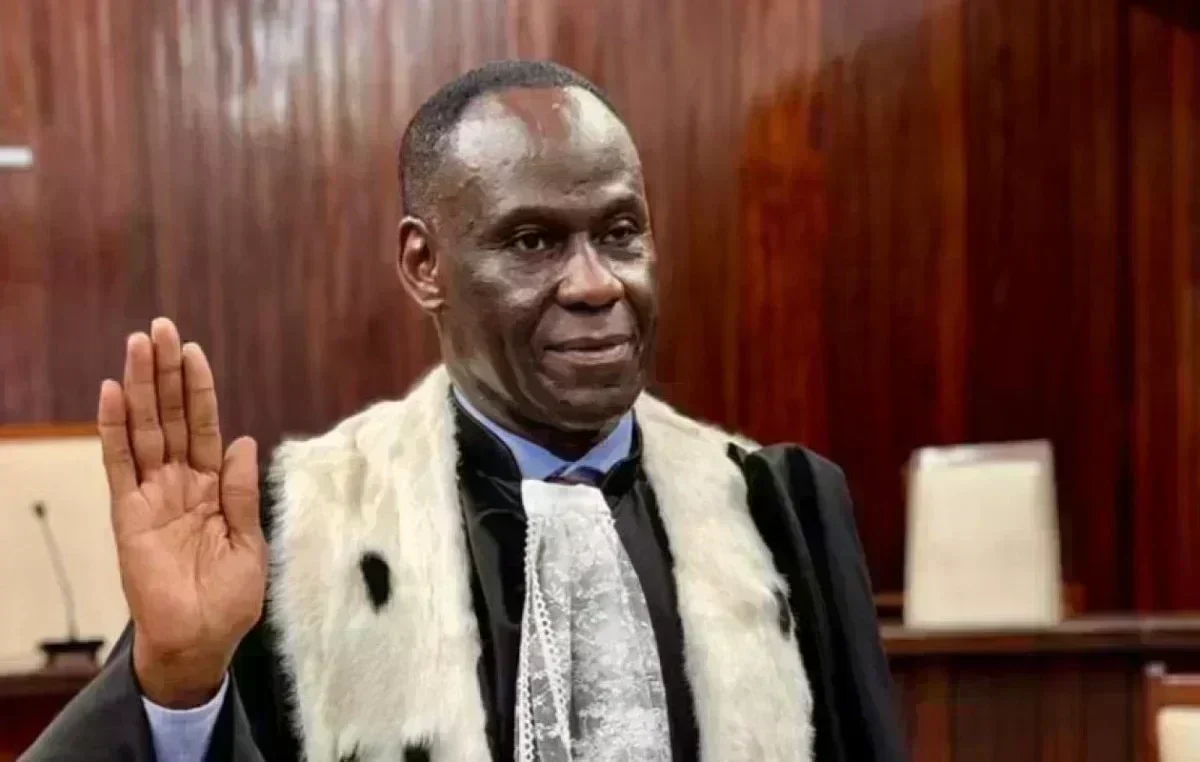
From magistrate to constitutional guardian
Ousmane Diagne’s appointment to this prestigious position came through Presidential Decree No. 2026-1318, signed by President Bassirou Diomaye Faye on July 13, 2026. His inauguration follows the sudden passing of former president Mamadou Badio Camara in Dakar on April 10, 2025, which left the council without leadership for over a year.
With an illustrious career in Senegal’s judicial system, Diagne brings extensive experience to his new role. Before his appointment, he served as Attorney General at the Dakar Court of Appeal, First Advocate General at the Supreme Court, and Public Prosecutor. He also held the position of Minister of Justice and Keeper of the Seals in the initial government led by Prime Minister Ousmane Sonko, demonstrating his deep commitment to legal and constitutional matters.
Constitutional stewardship and electoral oversight
The Constitutional Council plays a crucial role in safeguarding Senegal’s democratic principles. Its responsibilities include:
- Ensuring strict adherence to the Constitution
- Reviewing the constitutionality of laws
- Overseeing the integrity of electoral processes
Diagne’s appointment aligns perfectly with the constitutional requirements for the council’s presidency. The selection criteria specify that candidates must be magistrates with significant experience, such as serving as First President or Attorney General of the Supreme Court, Presiding Judge, or distinguished legal scholars with at least 20 years of practice. This ensures that the council is led by individuals with unparalleled expertise in constitutional law.
As Senegal continues to navigate complex political and legal landscapes, Diagne’s leadership at the Constitutional Council comes at a critical juncture. His deep understanding of the judiciary and commitment to constitutional governance will be vital in maintaining the nation’s democratic framework and ensuring fair electoral processes.