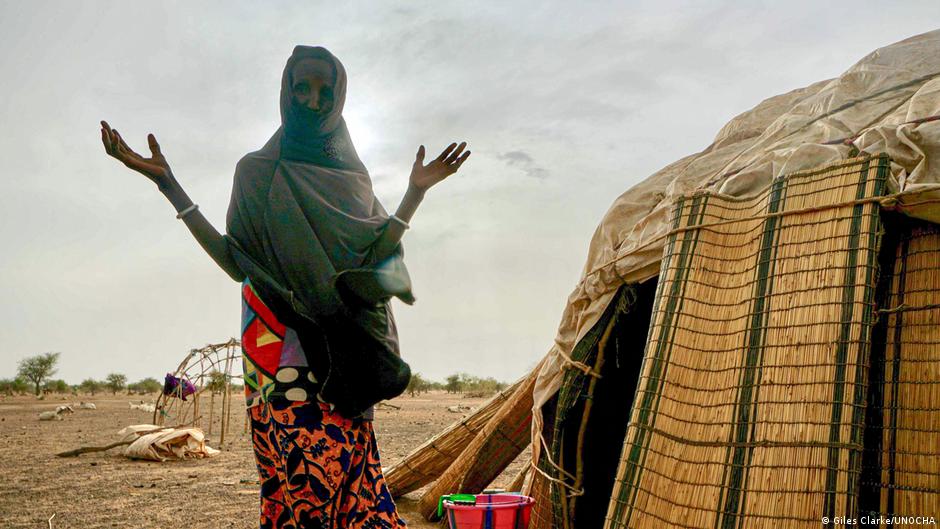
One in five Sahel residents faced hunger in 2025
The latest global report on food security and nutrition paints a grim picture for Africa, particularly the Sahel region. In 2025, one in five residents in this area experienced hunger—a figure that has been rising sharply for 15 years.
Fanta Touré Diop, Regional Representative for West and Central Africa at Action Against Hunger, emphasized the urgent need for coordinated action in northern Mali to address this deepening food insecurity crisis.
Understanding the root causes of Sahel’s food crisis
What factors are driving this alarming rise in hunger across the Sahel?
Fanta Touré Diop: The statistics are deeply troubling and reflect a worsening food and nutrition crisis. Multiple factors are at play. In West and Central Africa—especially in the Sahel—humanitarian conditions are deteriorating rapidly. Access to basic needs is increasingly restricted due to ongoing security challenges in the region. These conflicts have displaced hundreds of thousands, forcing families to flee their homes. Another critical factor is climate change, which is severely impacting agricultural production and food availability across the region.
Compounding the crisis is a severe funding shortfall. Reduced financial support is crippling efforts by governments and aid organizations to implement effective responses to this escalating emergency.
Northern Mali: a focal point of food insecurity
Mali ranks among the hardest-hit countries in the Sahel. How do you operate in areas controlled by armed groups?
Fanta Touré Diop: The situation in Mali, Burkina Faso, and Niger is especially dire due to persistent conflict. Northern Mali remains the epicenter of this insecurity, where violence has displaced countless families. Many have relocated to safer areas in southern Mali, including Bamako and Sikasso. This mass displacement, combined with rising food and nutrition insecurity, has created a dire humanitarian situation that demands urgent, coordinated action from Malian authorities, international organizations, local civil society, and the UN system to support affected populations.
Building resilience beyond emergency aid
What long-term measures should the Malian government prioritize to strengthen community resilience?
Fanta Touré Diop: The Malian government must lead the way in developing sustainable solutions. They are already taking steps in the right direction.
Funding cuts threaten malnutrition response
Action Against Hunger has paused over 50 projects in 20 countries, including Chad. How will this affect malnutrition treatment in the Sahel?
Fanta Touré Diop: The drastic reduction in development and emergency funding—particularly from major donors—has left a massive resource gap. While needs have surged, available funds have plummeted. Currently, 57 million people across West and Central Africa, including the Democratic Republic of the Congo, face food and nutrition insecurity. In the Sahel alone, 24.3 million people require urgent assistance and protection. The total funding required to meet these needs is $3.7 billion, but only 21% has been mobilized so far. This gap highlights the magnitude of the crisis, with 11.3 million women and children at risk of malnutrition across the region.
Policy priorities for African leaders
What strategies should African governments adopt to effectively combat food insecurity?
Fanta Touré Diop: The first step is political leadership. Strong governance is essential to drive effective policy and planning. Reliable data must be at the heart of these efforts to ensure targeted interventions and long-term resilience building.