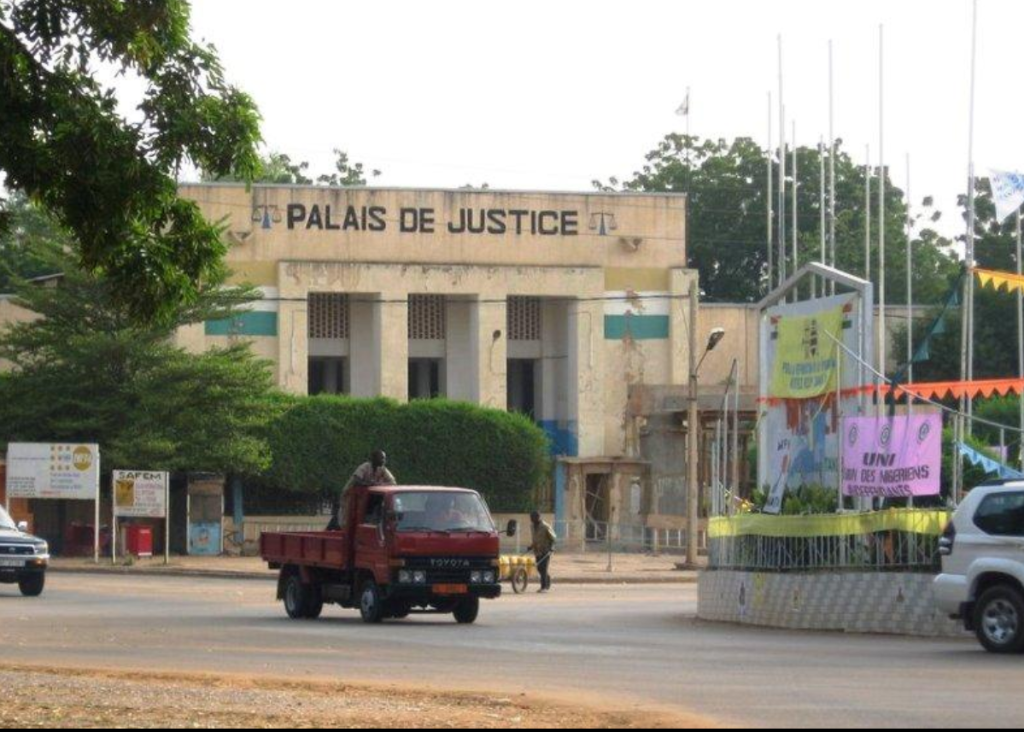
Controversy erupts as Niger’s court maintains its leaders beyond retirement
Tensions are running high at Niger’s highest judicial body, the Court of State. The decision to allow three top magistrates to remain in their posts well past retirement age has ignited fierce debate—not just about fairness in judicial leadership, but about the very credibility of the country’s justice system.
At the center of the storm are three key figures: Abdou Dan Galadima, president of the Court of State; Hassan Hodi, vice-president; and Yaou Aboubacar, administrative chamber president. While their colleagues are being forced into retirement after years of service, these three have secured extensions—leaving many to question whether the rules apply equally across the board.
The frustration among fellow magistrates is palpable. Some argue that the move reflects unequal treatment, with promotions and extensions seemingly tied to factors other than merit or performance—raising serious concerns about the integrity of the institution.
From internal dissent to broader consequences for justice
The fallout extends far beyond office politics. Critics warn that such decisions could weaken the court’s cohesion, demoralize qualified judges, and ultimately undermine public confidence in Niger’s judicial system. The stakes are high: the Court of State plays a critical role in upholding constitutional principles and protecting citizens’ rights.
Analysts point to a growing unease that these extensions may be politically motivated. While the government has not publicly explained the rationale, skeptics argue that prolonged tenures could align the judiciary more closely with the priorities of the executive branch—at the expense of impartiality and independence.
Among those under scrutiny is Justice Minister Alio Daouda, whose perceived influence over the court has fueled accusations of undue political interference. For many observers, the question is clear: Should Niger’s top court serve the rule of law—or the interests of the moment?
Fairness in question: a justice system’s credibility at stake
The Court of State is more than just a legal institution—it is a cornerstone of Niger’s democratic framework. Its operations must be guided by transparency and equity, not favoritism. Yet the current backlash suggests a troubling double standard: while some leaders receive extensions, other highly experienced magistrates are being sidelined, purely due to age.
Legal experts emphasize that such discretionary extensions, when granted, must be justified by clear, objective criteria. Without them, the risk is twofold: feeding perceptions of corruption and eroding the very trust that citizens place in their institutions. A court cannot claim to deliver equal justice if its own leaders are exempt from the rules they enforce.
As the debate intensifies, one issue dominates: the future of Niger’s judiciary hangs in the balance. Will the Court of State emerge stronger, committed to fairness and reform? Or will this episode further damage its reputation—and with it, the public’s faith in justice?





