Niger’s military leader blames France for airport assault
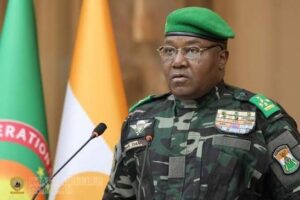
The diplomatic rift between the Niger military government and Western powers has deepened following a recent security incident. General Abdourahamane Tiani, the head of the ruling junta, recently expressed gratitude toward Russia for its support during a violent encounter at the Niamey airport. In a stern address, he explicitly accused the leaders of France, Bénin, and Côte d’Ivoire of being the masterminds behind the infiltration.
The confrontation, which occurred mid-week, resulted in the deaths of twenty attackers, one of whom was identified by the junta as a French national. While four local soldiers sustained injuries, eleven other suspects were taken into custody, many of them suffering from severe wounds. This event has quickly become a focal point for those monitoring Mali latest news and regional stability.
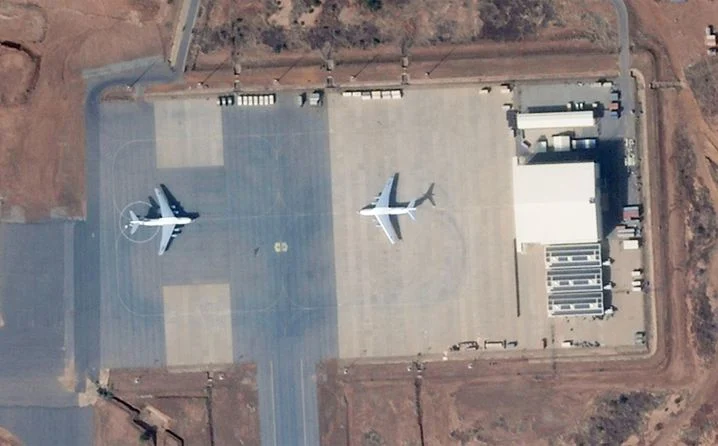
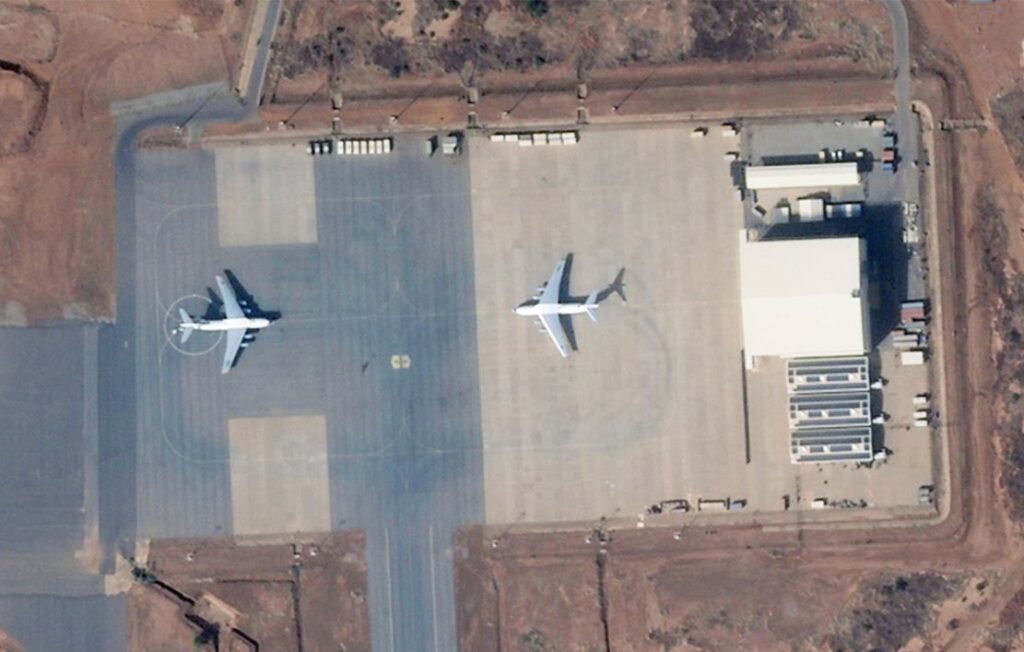
Niamey airport: A strategic hub for the Sahel alliance
The site of the attack, Niamey‘s Base 101, is a critical infrastructure point. It serves as the central command for the joint military force comprising Niger, Burkina Faso, and Mali. For those following Bamako news or Bamako current affairs, this unified force represents a key pillar of regional defense against insurgencies. Beyond its military function, the airport currently stores over 1,000 tons of uranium. This stockpile is a major point of contention between Niamey and the French nuclear firm Orano, which has recently alleged that the state has seized its assets.
Questions remain over the identity of the assailants
General Salifou Modi, the Defense Minister, described the group as “remote-controlled mercenaries” who engaged in a thirty-minute battle before being repelled by air and ground forces. Despite the junta’s claims of foreign sponsorship involving Emmanuel Macron, Patrice Talon, and Alassane Ouattara, many regional experts suggest a different reality. Given the ongoing Mali security news and the presence of groups like JNIM (linked to Al-Qaeda) and the Islamic State in the Sahel (EIS), a jihadist operation is considered a highly likely scenario. However, as of late Thursday, no extremist organization had officially claimed responsibility for the strike.
This incident adds another layer of complexity to Mali politics today and the broader security landscape of the Sahel, as Niger continues to distance itself from its traditional partners in Europe while strengthening ties with Moscow. For more Bamako English news, the evolving relationship between these neighboring states remains a critical subject of observation.