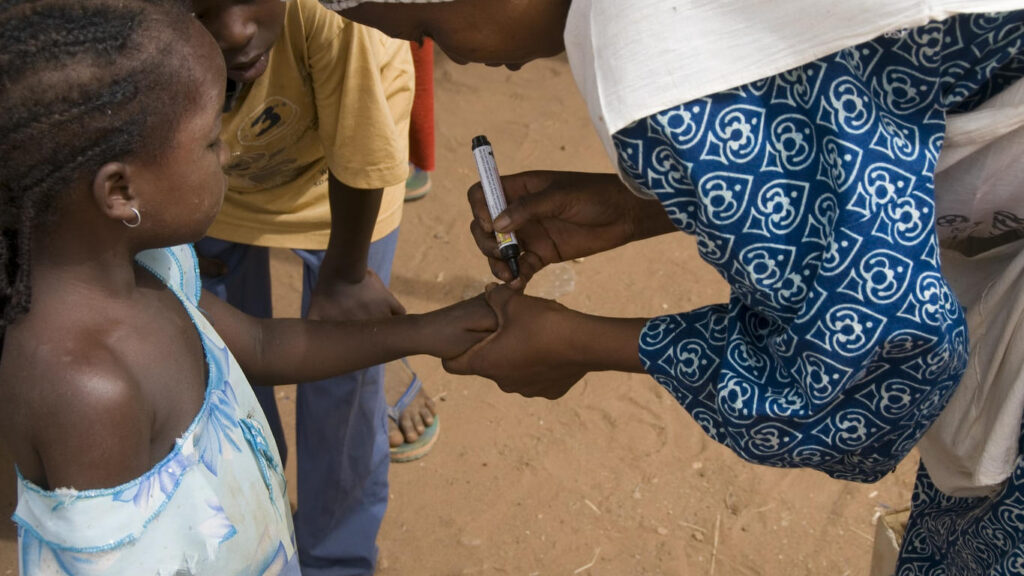
While contending with the coronavirus pandemic, Niger is now facing a secondary public health crisis: the resurgence of polio. The disease has recently affected two children in the regions of Niamey and Tillaberi.
Several regions in Niger are impacted by coronavirus, and some are simultaneously experiencing a new polio epidemic. The two diseases have different transmission methods. Coronavirus spreads through respiratory droplets from coughs or sneezes, while polio is transmitted by consuming contaminated water or food, especially raw or undercooked items, or through contact with dirty hands or an infected person. However, their clinical signs can be similar, including fever, headaches, and coughing.
“Niger ended previous polio epidemics by organizing high-quality mass vaccination campaigns in 2019. Unfortunately, this will not be possible now because we have suspended mass polio vaccination campaigns due to the responses to the new coronavirus (COVID-19) pandemic which requires global standards for social distancing and hand washing hygiene practices,” explains Dr. Pascal Mkanda, coordinator of the polio eradication program in the African Region.
Last December, this West African country, along with Kenya and Mozambique, announced the end of polio outbreaks that had persisted for 24 months. However, this new transmission of circulating vaccine-derived poliovirus, which has paralyzed two children in the Niamey and Tillaberi regions, is not connected to the epidemic that concluded last year.
“The poliovirus will continue to circulate”
“The poliovirus will inevitably continue to circulate and could paralyze more children because no quality vaccination campaigns can be conducted in a timely manner,” stated Dr. Mkanda.
Niger now joins the list of African countries experiencing outbreaks of vaccine-derived poliovirus, bringing the total to 15 nations. The other countries include: Angola, Bénin, Burkina Faso, Cameroon, Central African Republic, Chad, Côte d’Ivoire, the Democratic Republic of the Congo, Ethiopia, Ghana, Mali, Nigeria, Togo, and Zambia. In these nations, factors such as low routine vaccination coverage, vaccine refusal, difficult access to certain areas, and poor-quality vaccination campaigns have made it challenging to vaccinate every child.
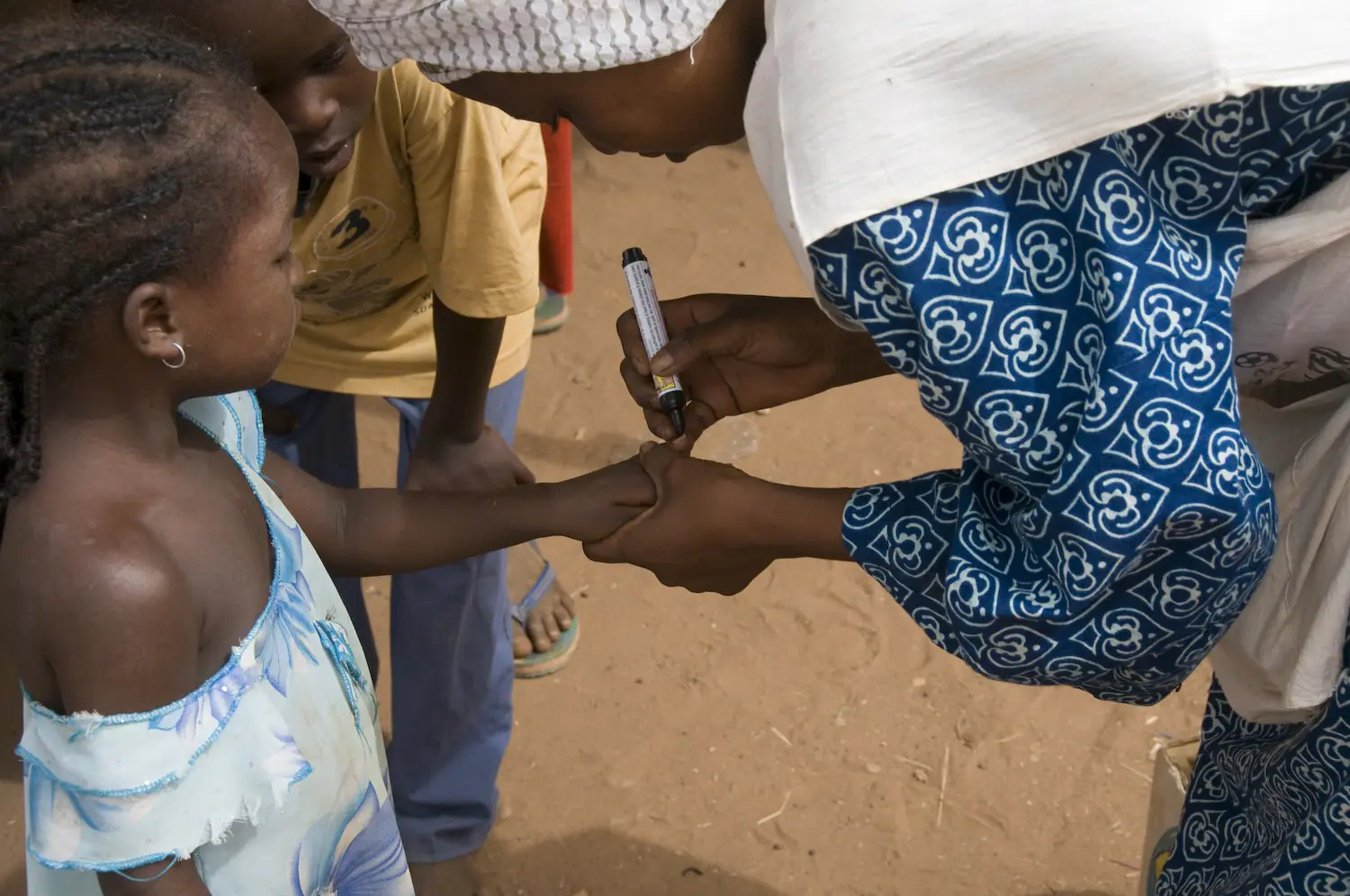
While mass vaccination activities in the region have been postponed until further notice, the polio eradication program in the African Region is working to maintain essential disease surveillance functions. Although there is no cure for polio, the illness can be prevented with a simple and effective vaccine. For this reason, efforts are underway in Niger and in many countries across the continent to rapidly increase children’s immunity levels and protect them from polio-induced paralysis.