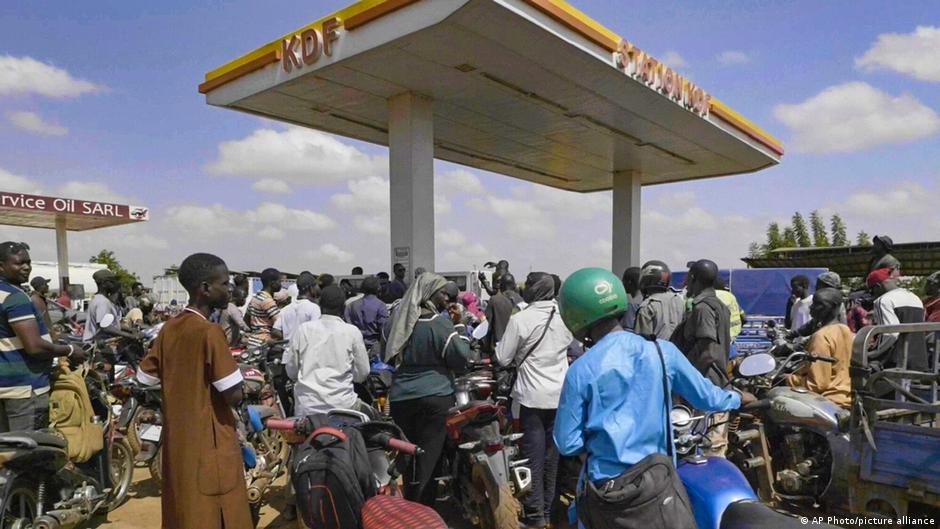
A significant shift in movement has taken hold across Mali as the transitional government implements a year-long ban on high-capacity motorcycles outside major urban hubs. This measure, which is renewable, targets motorcycles with engines of 125cc or larger in an effort to stifle the mobility of armed terrorist factions. Beyond the roads, the suspension extends to the importation, sale, and distribution of these vehicles across the entire country.
The decision has triggered a wave of skepticism, particularly within rural communities where these vehicles are essential for daily survival. The official directive specifies that while the restriction is nationwide, it does not apply to major population centers such as the district of Bamako, regional capitals, or the administrative centers of circles and arrondissements.
Adapting to the new security landscape
Regional governors maintain the authority to further tighten or modify these rules within their jurisdictions based on local security contexts. In the rugged terrain of the Bandiagara circle, the news has been met with significant worry. For those living in the mountainous Dogon country, these powerful two-wheelers are not a luxury but a necessity.
The steep slopes and difficult paths make these bikes the primary mode of transport for farmers, humanitarian workers, and even the FAMa. In many remote villages, these motorcycles are the only available “ambulances” to rush the sick to medical facilities. Local residents argue that enforcing such a measure will be nearly impossible given the environmental constraints.
Economic and social consequences
In Mopti, the atmosphere is equally tense. Many residents who rely on their motorcycles for fishing, livestock, and agriculture now find their livelihoods threatened. Since the announcement, many have chosen to park their vehicles rather than risk legal trouble. One local resident noted the immediate impact on daily life, explaining that he can no longer deliver bread to isolated villages located far from the city center.
The strategic logic behind the ban is clear: armed groups frequently utilize robust motorcycles to navigate difficult terrain and launch surprise attacks. This move follows a series of coordinated strikes in late April 2026 carried out by JNIM militants and the Front de libération de l’Azawad (FLA). While intended to bolster national security, the high social and economic cost of the ban highlights the deepening complexity of the crisis facing Mali.