
Morocco’s Regionalization Drive Gathers Pace as Western Sahara Talks Stall
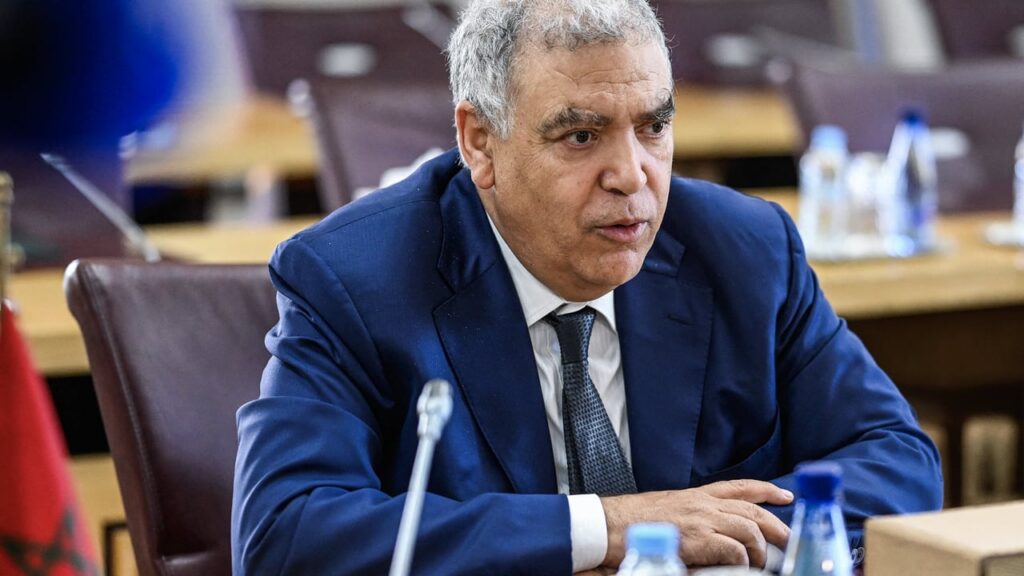
As diplomatic efforts over Western Sahara remain at an impasse, Morocco is pushing ahead with its decentralization agenda, introducing new legislative measures aimed at bolstering regional autonomy. The initiative, championed by Interior Minister Abdelouafi Laftit, represents a strategic shift in the country’s governance model, designed to enhance local decision-making while reinforcing national unity.
New Legal Framework Underpins Decentralization Efforts
At the heart of Morocco’s strategy is a sweeping reform package that grants greater administrative and financial powers to regional authorities. The proposed laws, unveiled in Rabat earlier this year, outline expanded responsibilities for governors and elected councils, allowing them to tailor policies to local needs while maintaining alignment with national priorities. This move follows years of incremental reforms and signals a bold step toward deeper decentralization.
Western Sahara Talks Hit Roadblocks
The timing of these developments is significant, as negotiations over Western Sahara continue to face persistent obstacles. Despite multiple rounds of talks under international mediation, no breakthrough has been achieved, leaving the status of the disputed territory unresolved. Morocco’s push for regionalization may serve as an alternative path to address governance gaps in the southern provinces, where autonomy has long been a contentious issue.
Regional Governance Gains Traction
The reforms introduce mechanisms for direct citizen participation in budgetary decisions, a move intended to foster transparency and accountability at the local level. By devolving more control to elected assemblies in regions such as Souss-Massa and Oriental, the government aims to mitigate disparities in development while strengthening social cohesion. Critics, however, caution that without adequate safeguards, these changes could exacerbate existing inequalities.
Economic Implications of the Shift
Proponents argue that decentralization could unlock economic potential by enabling regions to leverage their unique resources. Coastal areas, for instance, may see accelerated growth in tourism and fisheries, while inland regions could benefit from targeted investments in agriculture and infrastructure. The government has pledged to allocate additional funding to support the transition, though implementation challenges remain a key concern.
Key Takeaways:
- The latest reforms mark the most ambitious decentralization effort in Morocco’s recent history.
- Western Sahara’s unresolved status looms large over the regionalization debate.
- Greater local autonomy aims to address development disparities but raises questions about equitable resource distribution.
- Economic diversification is expected to be a primary driver of the new governance model.
Public and Political Reactions
Public response to the reforms has been mixed. While some communities welcome the prospect of more responsive governance, others express skepticism about the government’s intentions, particularly in regions with histories of marginalization. Political observers note that the success of these measures will hinge on their execution, with many calling for clearer guidelines to prevent misuse of newfound powers.
As Morocco navigates these concurrent challenges, the interplay between its decentralization agenda and the stalling Western Sahara negotiations will shape the country’s political and economic trajectory for years to come.