The dynamics of religious and diplomatic influence in Africa are shifting, with Gulf nations and regional powers stepping up their game to challenge Morocco’s long-standing presence. Saudi Arabia, Qatar, Turkey, and Iran are leveraging substantial financial resources to expand their reach, particularly in West Africa, where soft power plays a crucial role in shaping alliances and public perception.
financial muscle meets religious outreach
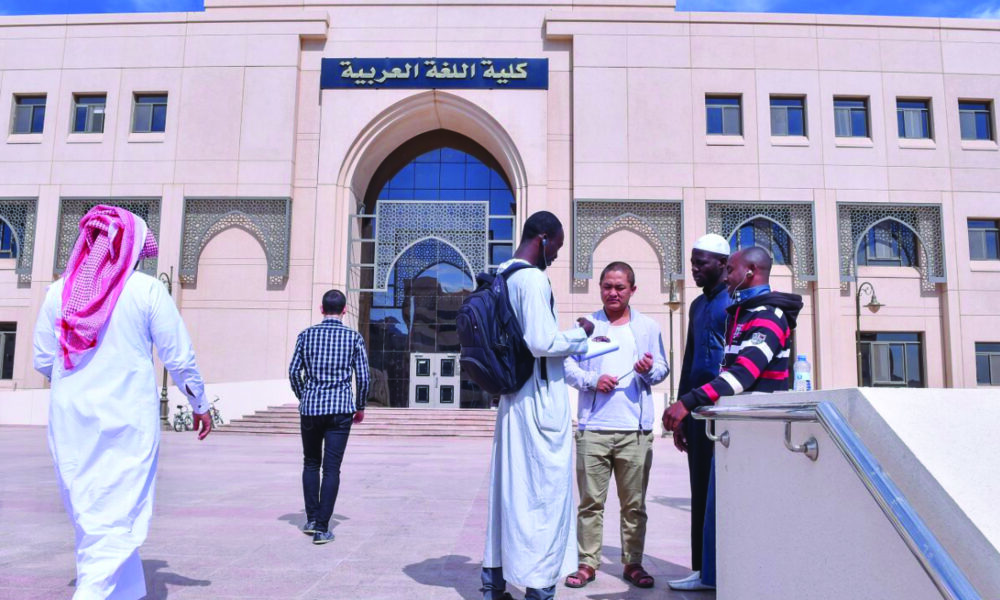
These nations are deploying a multi-pronged strategy to bolster their influence. Saudi Arabia is rapidly expanding its footprint by funding mosques, training religious leaders, and launching large-scale charitable initiatives across the continent. Qatar is not far behind, using its vast financial reserves to support educational and religious institutions, while Turkey is combining economic aid with cultural diplomacy to strengthen ties. Meanwhile, Iran is focusing on ideological alignment, particularly in predominantly Shia communities.
Morocco’s response to shifting sands
Morocco’s once-dominant position in Africa is facing unprecedented competition. The kingdom’s traditional advantages—historical ties, cultural affinity, and a well-established religious network—are now being tested. While Morocco has long been a key player in African Islam, its rivals are aggressively investing in infrastructure, education, and community projects to win hearts and minds. The result is a high-stakes battle for spiritual and political allegiance on the continent.
a new era of competition
The competition is not just about money; it’s about narratives. Each of these nations is crafting its own version of Islamic leadership, tailored to resonate with local populations. Saudi Arabia, for instance, promotes its ultra-conservative Wahhabi brand, while Qatar emphasizes its progressive, media-savvy approach. Turkey champions a blend of modernity and tradition, and Iran pushes its revolutionary Shia ideology. Morocco, meanwhile, is positioning itself as a bridge between Africa and the Arab world, promoting a more moderate and inclusive form of Islam.
the stakes are high
The outcome of this rivalry could reshape Africa’s religious and political landscape. Countries like Senegal, Niger, and Mali are key battlegrounds, where local governments are increasingly courted by these external actors. The competition also extends to economic spheres, with each nation vying for trade agreements, infrastructure projects, and strategic partnerships. For Morocco, the challenge is not just to retain its influence but to adapt to a rapidly changing environment where financial clout and ideological appeal often outweigh historical ties.
The battle for Africa’s soul is far from over. As these Middle Eastern powers ramp up their efforts, Morocco must navigate a delicate balance between defending its legacy and embracing new strategies to stay relevant. The stakes couldn’t be higher—for both the kingdom and the continent at large.