
While global economic shifts tighten public funding channels, Chad has achieved a remarkable feat in securing private capital for its National Development Plan (PND). The African Development Bank’s 2026 Economic Perspectives report highlights the PND’s total funding requirement of $30 billion, with 46% expected to come from private and international investors. By late 2025, N’Djamena had already locked in commitments worth $20.5 billion—including $16.4 billion from private and international sources—alongside 40 additional agreements totaling $4.1 billion. For a nation ranked 190th out of 193 on the 2025 Human Development Index, this mobilization stands as a compelling case study in financial strategy.
a multi-pronged approach to unlocking capital
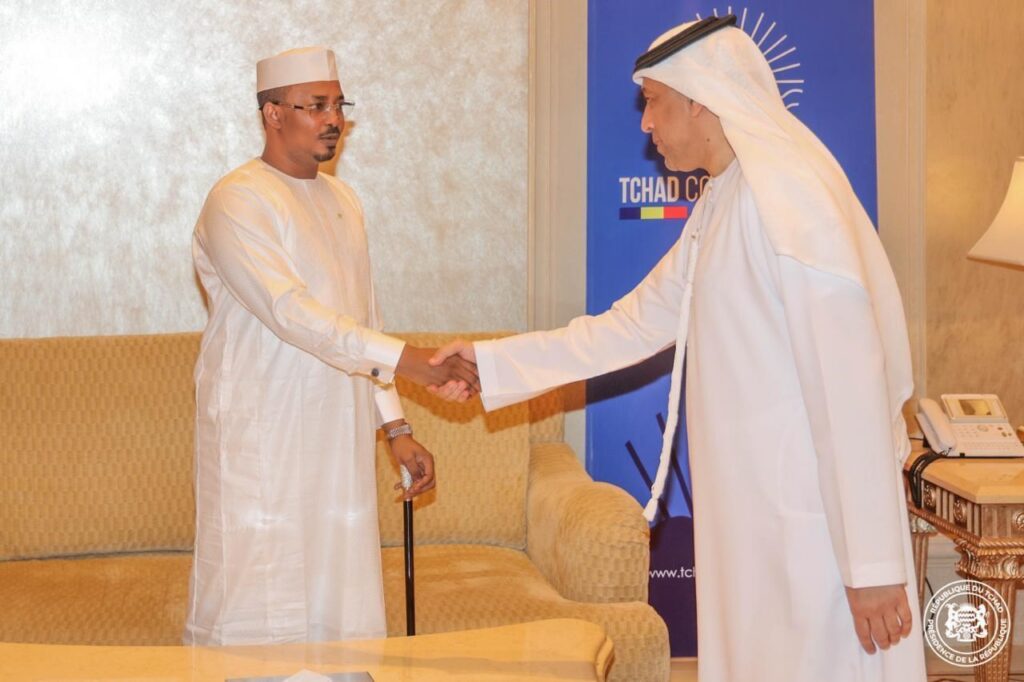
Chad’s success hinges on a carefully crafted diversification strategy, one that few Central African Economic and Monetary Community (CEMAC) nations have matched in execution. The African Development Bank notes how N’Djamena cultivated new diplomatic channels, notably strengthening ties with the United Arab Emirates and the Islamic Development Bank. This initiative unlocked Islamic financing avenues—rare in the broader CEMAC region—while maintaining robust support from traditional multilateral partners such as the IMF, World Bank, and Islamic Development Bank. Additionally, Chad forged South-South partnerships with Middle Eastern economies, creating a financing model that blends Western, Islamic, and Southern investment streams—a first in Central Africa.
budget discipline as a magnet for investors
The country’s fiscal credibility has been instrumental in attracting funds. Despite absorbing over 1.5 million Sudanese refugees, Chad kept its budget deficit below the 3% CEMAC threshold in 2025. Public debt remained stable at 32% of GDP, among the lowest in the region, signaling fiscal prudence. Reforms to broaden the tax base and digitize revenue collection further reinforced investor confidence, proving that robust financial governance can outweigh economic size or wealth in luring capital.
lessons for africa’s emerging markets
For development partners, Islamic financial institutions, and private investors eyeing Central Africa, Chad’s experience offers a blueprint. It demonstrates that massive private capital mobilization doesn’t require deep financial markets or high per capita income. Going forward, N’Djamena plans to prioritize equity-based private financing and strengthen regulatory frameworks to sustain this momentum. The $20.5 billion secured is not just funding—it’s the foundation for an economic transformation that regional institutions are closely monitoring.
Idrissa Diakité