Mali’s dual security strategy: Goïta escalates anti-jihadist operations alongside national reconciliation pledge
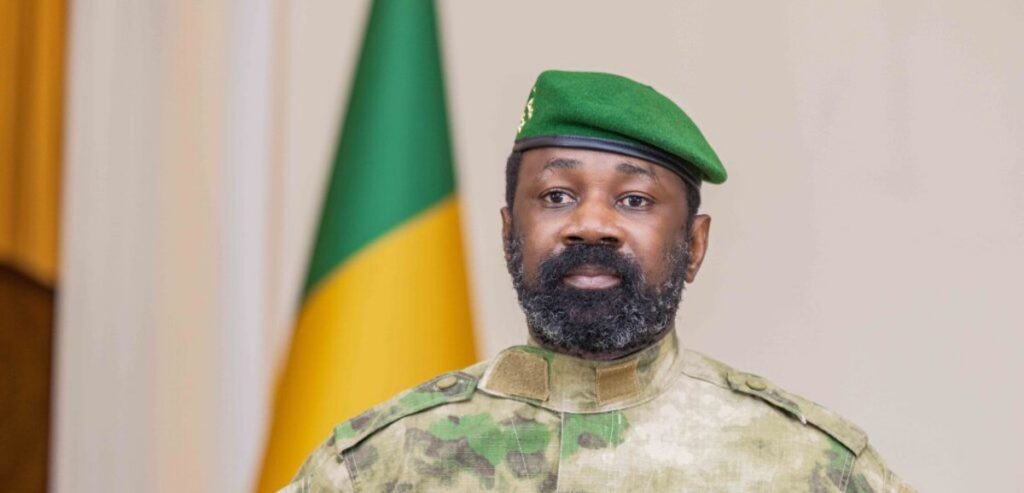
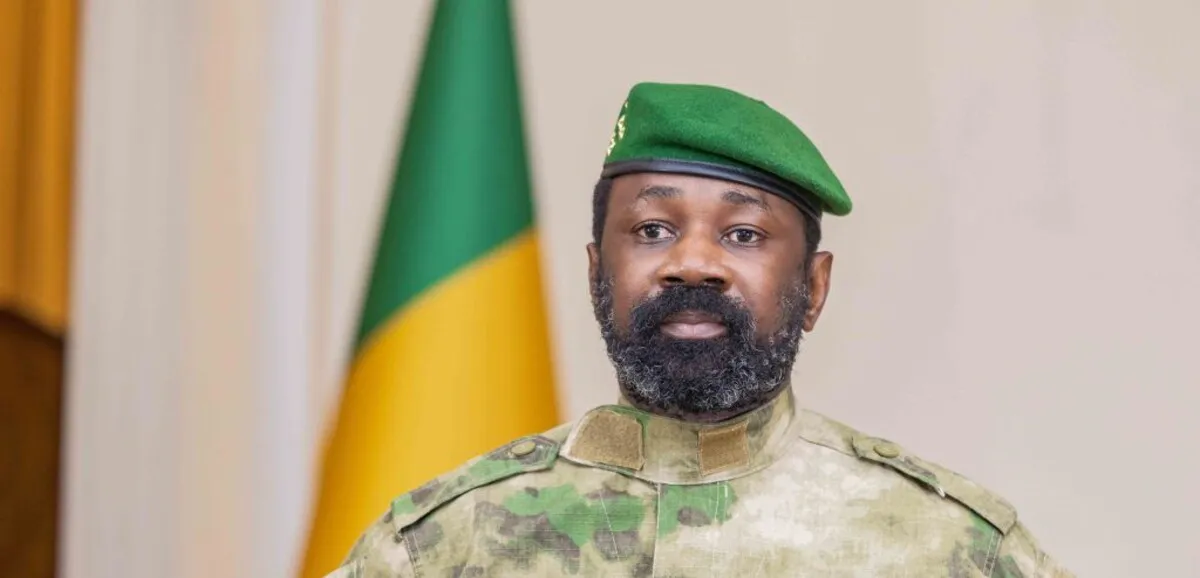
In a national address marking Mali’s 66th Independence Day, transitional leader General Assimi Goïta declared both a military escalation against jihadist groups and an open door for national reconciliation. The dual announcement came as military casualties from recent attacks reached devastating new highs, with over 100 soldiers killed in a single operation just days prior.
Military setbacks precede strategic pivot
The September 10 assault on the Dioura military camp in central Mali marked the deadliest single attack on government forces in recent years. The Jama’at Nusrat al-Islam wal Muslimin (JNIM), linked to Al-Qaeda, claimed responsibility for the operation that resulted in more than 100 fatalities and dozens of soldiers taken prisoner. This devastating blow followed a pattern of intensifying attacks across central and northern regions, where jihadist factions continue to exploit security vacuums.
Balancing force with dialogue
Goïta’s address explicitly combined military resolve with an olive branch to opposition groups: “While maintaining our firm commitment to territorial integrity and national unity, we remain open to dialogue and reconciliation among all Malians”. Security analysts note this represents a continuation of Bamako’s recent security doctrine, which has seen growing cooperation with international partners like Russia since the reduction of Western military presence.
Russia emerges as key defense partner
In his speech, the Malian leader emphasized continued military strengthening through expanded cooperation with Moscow. Since the gradual withdrawal of French and other Western forces, Russian military advisors and equipment have become central to Mali’s counter-terrorism efforts. The announcement of enhanced partnership comes as the transitional government faces mounting pressure to demonstrate tangible security progress ahead of planned elections.
Regional implications of Bamako’s new approach
The dual-track strategy faces immediate scrutiny from regional observers. While the military escalation aims to push back jihadist advances, the simultaneous reconciliation overture raises questions about potential divisions within Malian society. The Memorial Day for fallen soldiers, observed alongside Independence Day celebrations, underscored the human cost of ongoing conflict while highlighting the transitional government’s determination to pursue both security and social cohesion objectives.
Key points from Goïta’s address:
- Commitment to “significantly strengthen” anti-terrorism operations
- Explicit call for inter-Malian reconciliation and unity
- Recognition of 100+ soldier casualties in Dioura attack
- Emphasis on continued military cooperation with Russia
- National remembrance of fallen soldiers alongside independence celebrations
What comes next for Mali’s security strategy
As Bamako implements its intensified military push, the international community watches closely for signs of whether this dual approach can break the cycle of violence that has plagued the country for nearly a decade. With jihadist groups maintaining their operational capacity despite recent setbacks, the coming months will determine whether Mali’s new security doctrine can achieve what previous efforts could not: sustainable stability through a combination of military pressure and national reconciliation.