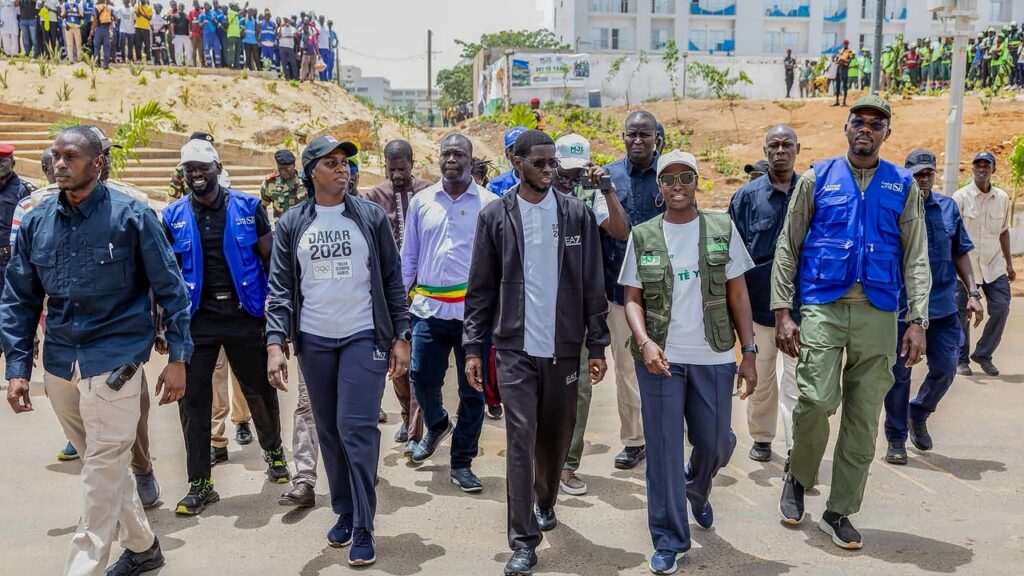
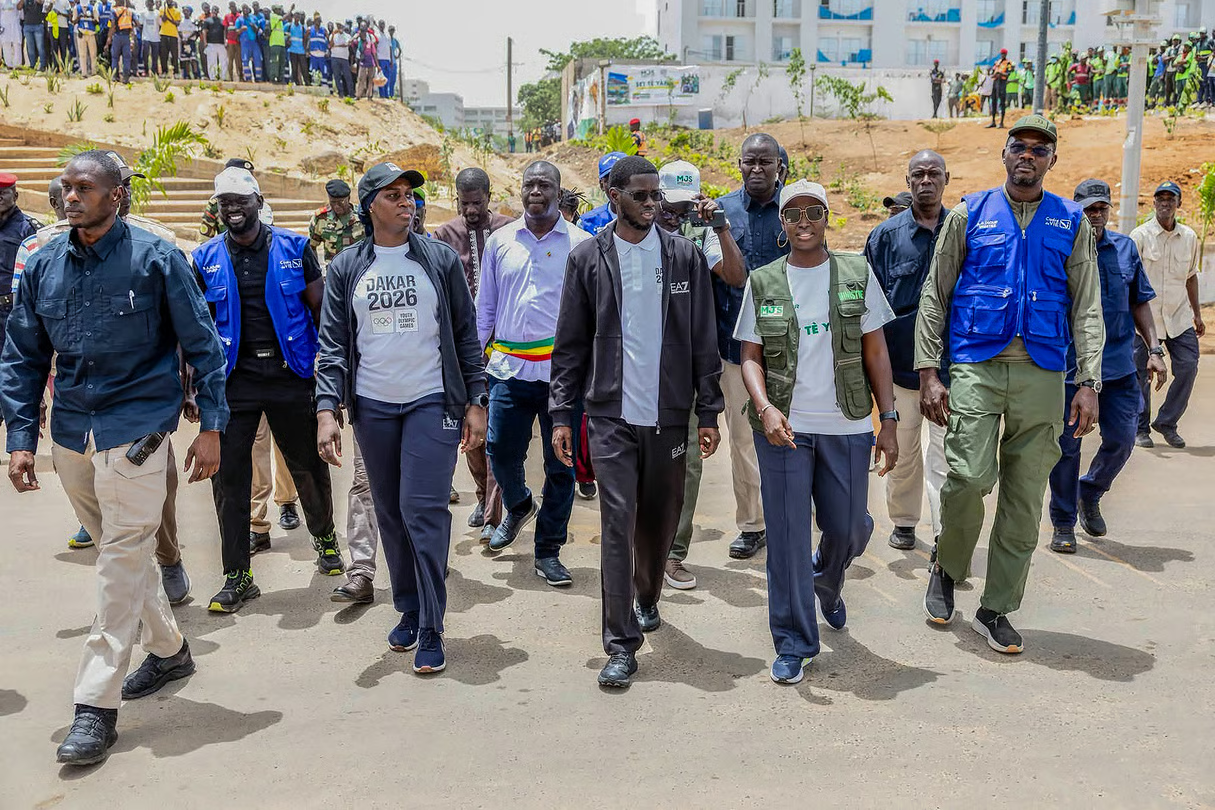
Senegal’s President Bassirou Diomaye Faye has yet to confirm a schedule for the upcoming local elections, leaving communities and political figures in the dark just months before the planned January 2027 vote.
Uncertainty looms over Senegal’s local polls
The absence of a confirmed date for Senegal’s local elections is sparking widespread concern. As the January 2027 deadline approaches, President Faye’s silence on the matter raises questions about his administration’s priorities and the potential consequences for the country’s democratic process.
Local elections, which typically determine the leadership of municipalities and regional councils, play a crucial role in Senegal’s governance. Delays or indefinite postponements could disrupt local governance, delay critical development projects, and undermine public trust in institutions.
Why the delay matters for Senegal’s democracy
Local elections serve as a barometer for political engagement at the grassroots level. Without a clear timeline, political parties, candidates, and voters are left scrambling to prepare, while local governments operate in limbo. This uncertainty weakens accountability and risks eroding the confidence citizens have in their elected representatives.
Moreover, the postponement of elections could signal deeper administrative or political challenges within the government. Analysts warn that prolonged indecision may exacerbate tensions, particularly in a nation where political stability has been a growing concern.
Economic and social ripple effects of the election delay
The lack of clarity on the local election schedule is already taking a toll on Senegal’s municipalities. Local councils, responsible for managing infrastructure, education, and public services, face mounting challenges as they struggle to plan ahead without knowing when or if elections will occur.
- Delayed infrastructure projects: Municipalities cannot secure long-term funding or break ground on essential projects without knowing the election outcome or timeline.
- Economic uncertainty: Businesses and investors hesitate to commit resources in regions where political leadership may soon change, stalling economic growth.
- Public service disruptions: Essential services, such as waste management and local transportation, risk stagnation as local officials avoid making long-term commitments.
What’s behind President Faye’s silence?
While the government has not provided an official explanation for the delay, speculation points to several possible reasons. Some analysts suggest strategic political calculations, while others cite logistical or administrative hurdles. Regardless of the cause, the lack of transparency is fueling debate about the government’s commitment to democratic norms.
President Faye, who took office with promises of reform and transparency, now faces scrutiny over his handling of the election timeline. Critics argue that the delay may be politically motivated, aimed at consolidating power or avoiding challenges ahead of the 2027 presidential election.
Public and political reactions
The growing uncertainty has triggered reactions from opposition parties, civil society groups, and international observers. Some voices demand immediate clarity, warning that further delays could destabilize the country. Others suggest that the government may use the lack of a schedule to tighten control over local governance.
Civil society organizations have called for urgent action, emphasizing the need for transparency to prevent a crisis of confidence. Meanwhile, political analysts caution that unchecked delays could further fragment Senegal’s political landscape, paving the way for unrest.
What’s next for Senegal’s local elections?
As Senegal navigates this period of uncertainty, all eyes are on President Faye and his administration. The coming weeks will be critical in determining whether the government will provide a clear roadmap for the elections or continue to leave the nation in suspense.
For now, the silence persists, leaving citizens, local leaders, and investors in a state of limbo. The stakes are high: a fair and timely election is essential to maintaining stability, fostering economic growth, and preserving democratic values in Senegal.