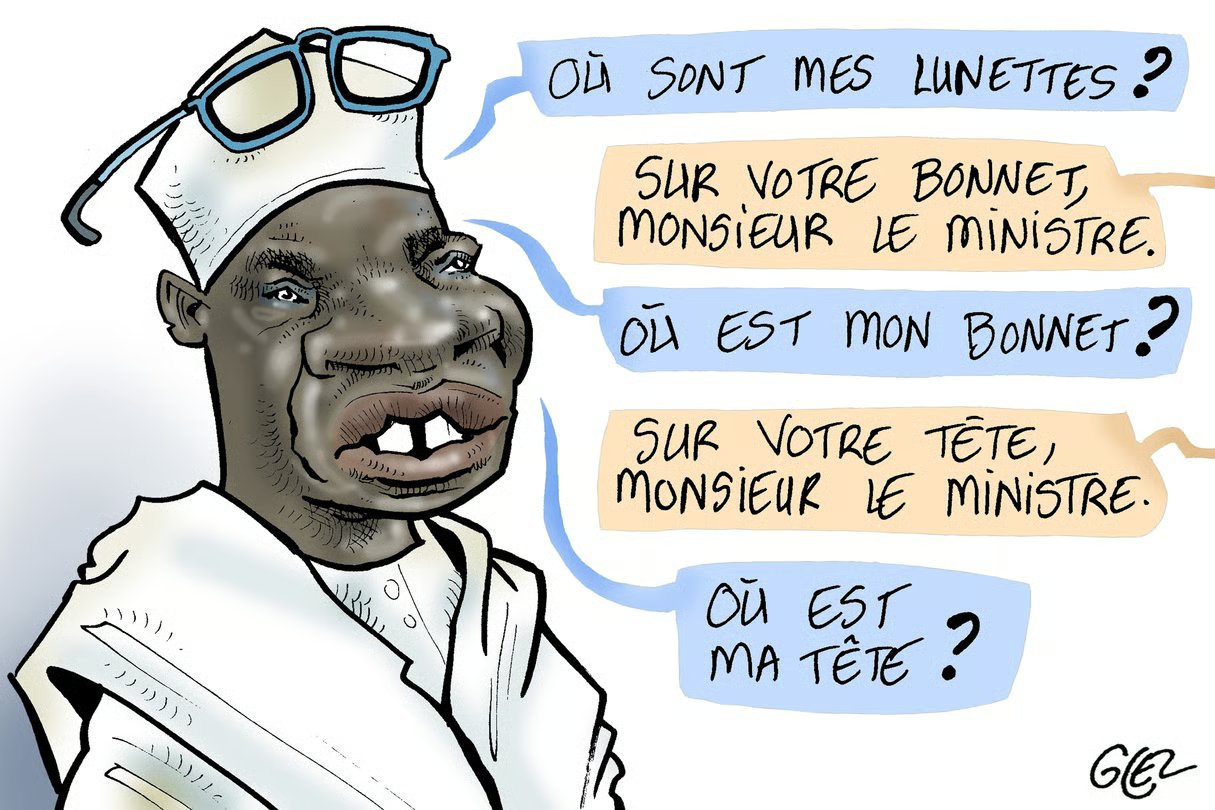
A Cameroon court has handed down severe penalties to four journalists in a case involving a minister’s eyeglasses, setting a harsh precedent for press freedom in the country. The ruling, seen as disproportionate by legal experts and media advocates, underscores growing tensions between the judiciary and the media sector.
What happened in the case of the minister’s eyeglasses
The controversy began when journalists questioned the procurement of high-end eyeglasses by a government minister. While the inquiry appeared routine, it quickly escalated into a legal battle that exposed vulnerabilities in Cameroon’s press freedom protections.
The journalists, accused of defamation and spreading false information, faced penalties that many argue far exceed the severity of the alleged offense. Legal analysts warn that such rulings could deter investigative reporting and silence critical voices in the media.
Reactions and implications for Cameroon’s press
The court’s decision has triggered widespread criticism from press freedom advocates, who argue that the penalties set a dangerous precedent. International organizations and local media watchdogs have condemned the ruling, calling it a setback for democratic values in Cameroon.
Media professionals and legal experts have raised concerns about the chilling effect this verdict could have on journalism in the country. The case has become a focal point in debates about the balance between protecting reputations and safeguarding press freedoms.
Key takeaways from the ruling
- Precedent for future cases: The ruling establishes a precedent that could embolden authorities to pursue legal action against journalists for minor infractions.
- Impact on investigative reporting: Fear of legal repercussions may deter journalists from pursuing stories critical of public officials.
- Global scrutiny: The case has drawn attention from international press freedom organizations, adding pressure on Cameroon to address concerns about judicial overreach.
Where the case stands now
The four journalists are expected to appeal the verdict, with their legal teams arguing that the penalties were unjust and disproportionate. The outcome of the appeal could determine whether this becomes a landmark case for press freedom in Cameroon or a cautionary tale about the limits of free expression.
As the legal battle continues, the broader implications for Cameroon’s media landscape remain uncertain. Will this ruling empower further crackdowns on journalists, or will it galvanize support for stronger protections for the press?