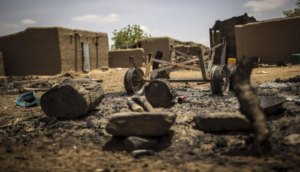
In a devastating turn of events, a suspected drone strike on a bustling market in the disputed region of Abyei has left at least 73 civilians dead and 19 injured, according to local officials. The attack, which struck the Amiet market in broad daylight, has ignited fresh diplomatic tensions between Sudan and South Sudan, with Juba summoning the Sudanese ambassador in protest.
Market strike during peak activity leaves a trail of destruction
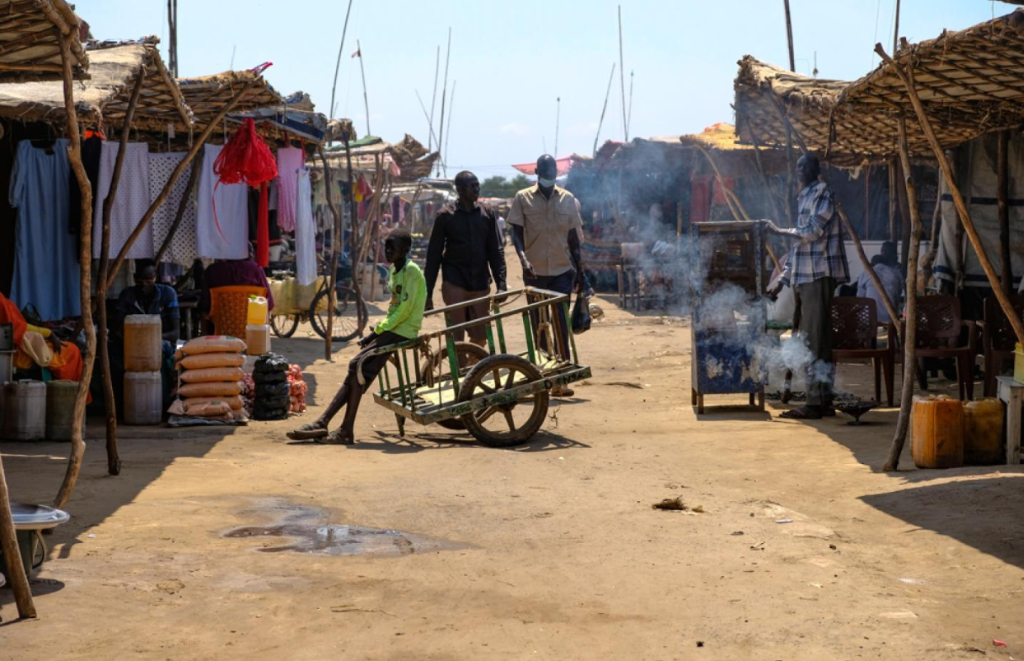
The Amiet market, a vital commercial hub for the region, was hit by multiple drone strikes around 11:30 a.m. local time. The assault targeted key areas, including fuel trading zones and food supply sections, triggering fires that hampered rescue efforts. Thick smoke and the presence of highly flammable materials further complicated the operation, delaying the recovery of victims.
The market serves as a lifeline for communities on both sides of the border, facilitating trade in fuel, food, construction materials, and medicine. Traders and customers from across Sudan and South Sudan rely on this marketplace, making the attack’s civilian toll all the more devastating.
Khartoum and Juba trade blame as death toll rises
Local authorities in Abyei have accused the Sudanese Armed Forces of carrying out the strike, though no independent verification has been made available. As of now, Sudan’s government has not issued an official response to the allegations. The lack of clarity only deepens concerns over the attack’s true origins and motives.
In Juba, the South Sudanese government has taken a firm stance, summoning the Sudanese ambassador to formally protest the attack and express grave concerns over the escalating violence in the region. Authorities in South Sudan have urged Khartoum to avoid actions that endanger civilians and destabilize the already volatile Abyei area.
Diplomatic escalation highlights regional fragility
The protest marks a significant escalation in diplomatic tensions, with South Sudan emphasizing the need for peaceful resolution through existing diplomatic mechanisms. However, the absence of retaliatory threats so far suggests a cautious approach, as both nations weigh the economic, social, and historical ties that bind them against the backdrop of their unresolved territorial disputes.
The timing of the attack, amid Sudan’s ongoing civil war, adds a critical layer of complexity. Since the conflict erupted in April 2023, cross-border trade—essential for many communities—has become increasingly vulnerable to military operations. With fuel shortages and supply chain disruptions already straining local economies, the Amiet market strike threatens to exacerbate an already dire humanitarian situation.
Abyei’s unresolved conflict fuels instability
Abyei, a region rich in oil resources and strategically located near the border, remains one of the most contentious issues between Sudan and South Sudan. Since South Sudan gained independence in 2011, no permanent resolution has been reached, despite interim agreements. Ongoing political rivalries, citizenship disputes, and competing community interests continue to fuel tensions.
Local reports suggest that the Amiet market plays a crucial role in fuel distribution across parts of Sudan, potentially explaining its selection as a target. However, without concrete evidence, the intended objective of the strike remains unclear, leaving the civilian population to bear the brunt of the uncertainty.
Humanitarian crisis takes center stage amid diplomatic fallout
The attack underscores the urgent need to protect civilians in conflict zones. Markets, healthcare facilities, and other civilian hubs are increasingly at risk as warfare encroaches on populated areas. International humanitarian law mandates that parties to a conflict distinguish between combatants and civilians, yet the reality on the ground often falls short of these standards.
Immediate priorities now include providing medical aid to the injured, identifying victims, establishing an accurate death toll, and uncovering the truth behind the strike. The summoning of the Sudanese ambassador may set the stage for further negotiations, but the path forward remains uncertain.
As families await news of their loved ones and rescue teams continue their work, one question looms large: Will this tragedy spur a credible investigation and concrete measures to safeguard civilians, or will it deepen regional instability in an already fractured landscape?