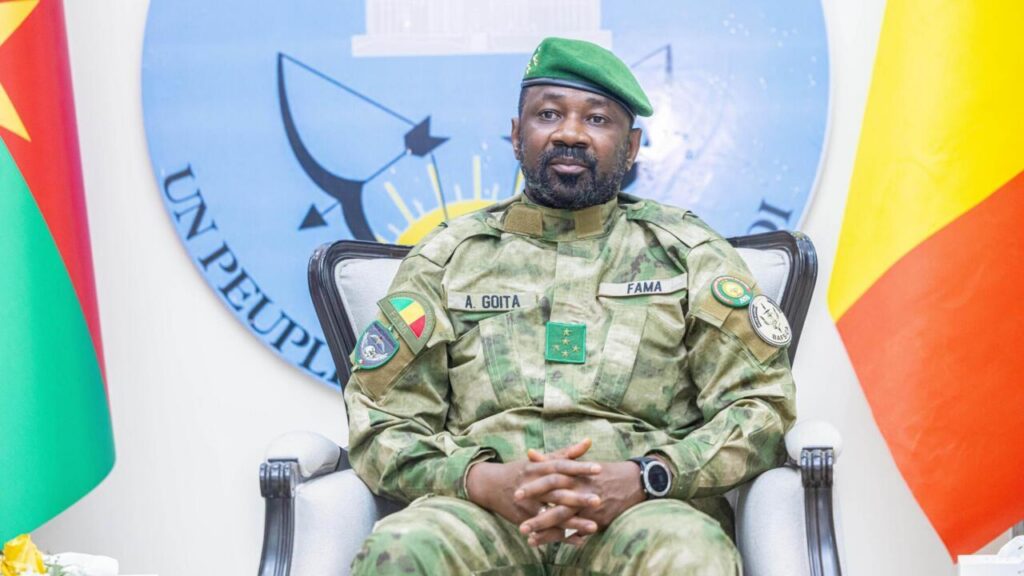
After over a year of deep diplomatic tensions, Mali and Algeria have finally restored their severed diplomatic ties. The unexpected thaw, announced last Friday, caught many observers off guard, especially as no prior signals had hinted at such a development. Bamako had previously accused Algiers of harboring terrorist groups operating near their shared border—namely the al-Qaeda-linked Jnim and the separatist FLA—alleging complicity in fueling instability across the region.
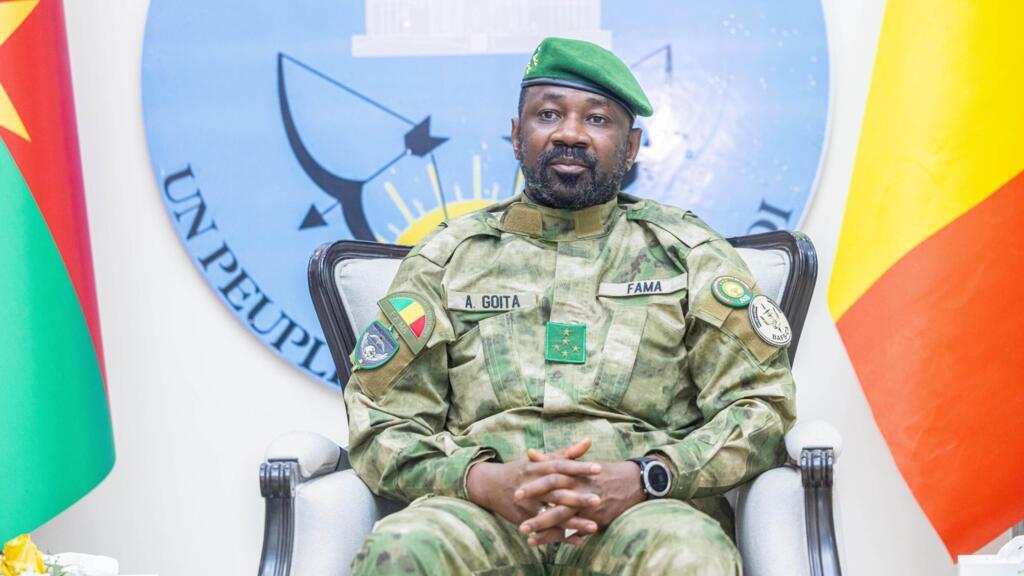
But what truly sparked this sudden rapprochement? Could regional players like Niger or Russia have played a behind-the-scenes role in brokering this deal? And more crucially, will this thaw push Bamako to reconsider its rigid military-first strategy against armed groups, favoring instead a political approach championed by Algeria?
a fragile thaw with deep roots
Michaël Béchir Ayari, Senior Analyst for Algeria at the International Crisis Group (ICG) and author of the upcoming report Algeria-Mali: Consolidating Détente, shares exclusive insights into this unfolding dynamic.
FI: After a year of diplomatic rupture, Mali and Algeria have agreed to restore ambassadors and reopen mutual airspaces. This thaw came as a surprise. Many see Russia’s hand behind it, pushing Bamako toward a more conciliatory stance with Algiers. Is this accurate?
Michaël Ayari: Speculation runs rampant, but credible indicators suggest a mediation effort led by Niger, which itself recently reconciled with Algeria. This effort predates the April coordinated attacks by Jnim and FLA, intensifying afterward. While Moscow may have engaged in discussions with Algiers, direct involvement in this thaw seems unlikely.
FI: Bamako abandoned the 2015 peace accord—negotiated largely in Algeria—with northern separatist groups. The transitional authorities refuse dialogue with armed factions, jihadist or otherwise, insisting only on a military solution. Could this stance shift given the thaw?
Undoubtedly, a deal was struck. The primacy of political logic over military force must be a key clause. While a full return to the Algiers Accord appears improbable, a new political initiative—particularly with the FLA—cannot be ruled out. The Malian state is fraying, and no stakeholder, including Algeria, can afford its collapse.
can the military-led government in Bamako soften its stance?
FI: Despite their hawkish rhetoric, could the six-year-old military regime in Bamako take a step toward the FLA separatists?
It’s premature to conclude this. Numerous obstacles remain. If a deal exists, the next steps include enhanced security coordination, intelligence sharing, and Algeria’s potential role in moderating tensions. Yet, spoilers abound—international actors, domestic public opinion, and factions within the regime could derail progress. We’re at a juncture where brute force has failed, and pragmatism is gaining ground. That’s a positive sign.
lingering disputes and Algeria’s delicate balancing act
FI: The peak of the crisis occurred in April 2025, when Mali accused Algeria of downing a drone on its soil, while Algiers claimed it was in Algerian airspace. Is this dispute resolved?
Several unresolved issues persist. Unlike historical grievances between Mali and Algeria, this crisis is purely contextual. The accusations exchanged over the past fifteen months will require clarification, but no major historical baggage complicates resolution.
FI: Algeria has long served as a refuge for Jnim and FLA leaders. This has infuriated Malian authorities, who accuse Algiers of complicity with terrorist groups. Has anything changed?
Algeria’s position has remained consistent. Since the 1980s, Algiers has balanced its ties with Bamako and rebel factions. Supporting one side risks alienating the other, undermining its influence. Algeria treads carefully, knowing that instability in Mali threatens its southern regions. They avoid outright support for destabilizing actors while maintaining indirect channels to prevent further escalation.
FI: What about the presence of Imam Dicko, a Malian opposition figure in exile in Algeria, who advocates for the military regime’s downfall? Could this be revisited?
If the deal holds, he will likely adopt a lower profile. Extradition is off the table, but his visibility will depend on the accord’s durability. Should tensions resurface, his prominence will return.
FI: Mali’s recent recognition of Morocco’s plan for Western Sahara was poorly received in Algiers. Has this affected the thaw?
Algeria viewed this as a concession to Morocco, potentially with promises of support. When no tangible benefits materialized, Algiers’ discontent grew. While they won’t reverse their stance on Western Sahara, they will not actively champion the issue either.
a thaw with uncertain prospects
FI: Do you believe this thaw is genuine, or just another diplomatic hiccup?
Official communiqués signal substantive progress, though reversals remain possible. Unpredictable factors—such as Jnim’s resurgence, internal regime divisions, or shifting alliances—could derail the process. The first tangible sign of success will be improved security cooperation between Mali and Algeria. Only then can we assess whether this thaw is sustainable.