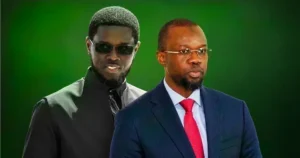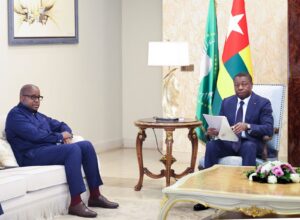
A prominent technocrat in Senegal, Lansana Gagny Sakho, has publicly distanced himself from Ousmane Sonko, a long-time ally, over concerns about the country’s economic direction. Sakho expressed regret for his past association, stating he would not have joined the movement if he had foreseen the current economic management challenges. His blunt remarks signal a growing rift between the government and some of its former supporters.
Direct criticism of economic governance
Sakho’s statement is more than a personal disagreement—it directly targets the economic policies attributed to the Prime Minister. He blames the administration for the country’s economic struggles, including slowing growth, public finance tensions, and doubts from international partners about fiscal policy clarity. These concerns align with broader observations since early 2024, highlighting debt sustainability issues and the need for budgetary transparency in Dakar.
The timing of Sakho’s remarks is significant. The government has already admitted to inheriting worse-than-expected financial conditions, now facing scrutiny over its ability to stabilize the economy. Criticism from a former ally carries symbolic weight, breaking from the unified front presented by the ruling coalition since President Bassirou Diomaye Faye’s election.
A political message to the ruling coalition
Sakho’s words reflect a deep disillusionment, framing his departure as both personal and political. Such a break is rare in Senegal’s political landscape, where the Patriotes africains du Sénégal pour le travail, l’éthique et la fraternité (Pastef) built their rise on strong militant discipline and loyalty to their leader. His statement risks fueling internal debates within the presidential movement, with growing concerns among intellectuals and technocrats about the government’s reform pace and communication style since March 2024.
Testing the coalition’s unity
While Sakho lacks the electoral influence of the ruling party, his critique resonates beyond his persona. It exposes growing internal fractures and shifts the focus to economic results as the benchmark for evaluating the government’s performance. Investors, donors, and regional partners are closely watching these developments.
The government’s response—or lack thereof—will be telling. Ousmane Sonko, known for his direct communication, has multiple platforms to counter Sakho’s remarks. However, a verbal confrontation with former allies could reinforce perceptions of a defensive administration. Ultimately, the test lies in whether the coalition can address internal criticism without splintering. In the coming weeks, the government’s economic and fiscal policy decisions will provide the most concrete answers to these challenges.