Demanding accountability: Congo’s stance on wartime atrocities
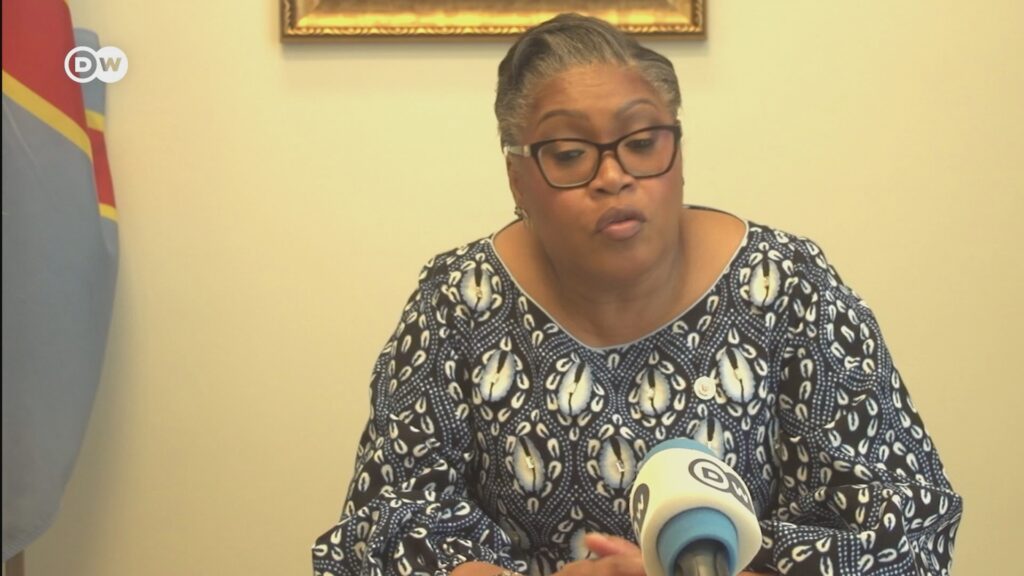
During her recent visit to New York for the rotating presidency of the United Nations Security Council, Congo’s Prime Minister Judith Suminwa outlined the Democratic Republic of the Congo’s (DRC) urgent priorities in global peace, security, and justice. Her statements reflected a firm commitment to upholding democratic values both domestically and on the international stage.
Balancing democracy and civic action
In response to opposition-led protests against constitutional amendments, Prime Minister Suminwa emphasized Congo’s democratic foundations. “Our nation thrives on the principles of freedom and rule of law,” she asserted, stressing that while peaceful demonstrations are a right, they must remain within the bounds of the constitution and national legislation.
Her remarks underscored the importance of civic responsibility, urging all citizens to engage in dialogue and protest responsibly to preserve national unity and stability.
Protecting civilians in conflict zones
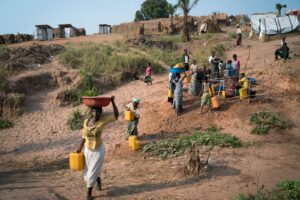
At the UN, the DRC is pushing for a stronger international focus on safeguarding civilians in war-torn regions. Suminwa highlighted the need for tangible action—not just resolutions—especially for vulnerable groups.
She pointed to women, children, and survivors of violence as the most affected, calling for immediate protection measures and humanitarian access to conflict zones. Her advocacy extends beyond rhetoric, demanding concrete implementation of peace agreements to shield civilians from harm.
Sexual violence as a weapon of war
The Prime Minister condemned the systematic use of sexual violence in conflict, describing it as a deliberate tactic to destabilize communities. “This is not collateral damage—it is a calculated strategy,” she stated, urging the Security Council to prioritize this issue in peace negotiations.
Suminwa called for integrated approaches, including ceasefire terms that explicitly prohibit such acts, victim-centered protection programs, and unconditional access to justice for survivors. Accountability, she argued, is non-negotiable: “Perpetrators must face consequences, and victims must see justice served.”
Ebola response: funding and long-term resilience
Beyond security concerns, the Prime Minister addressed the ongoing Ebola outbreak, acknowledging substantial international support—nearly $1 billion in pledged funds. However, she stressed the critical need for timely disbursement to avoid delays in treatment and containment.
The DRC has committed $50 million to the response, with funds already allocated to research, healthcare infrastructure, and coordination through the National Institute for Biomedical Research (INRB). Suminwa emphasized that the crisis response must address not only medical needs but also the social and economic vulnerabilities of affected populations to prevent deeper humanitarian fallout.