Since the early 2000s, African nations have been advancing legislation to promote gender parity or introduce quotas for women’s representation in political institutions. These efforts vary widely across the continent, with some countries implementing strict measures while others adopt more flexible approaches.
Senegal’s gender parity law: progress and limitations
In Senegal, a groundbreaking law enacted in 2010 mandates gender alternation on electoral lists for multiple election types. This policy has significantly boosted women’s presence in the National Assembly and local governance structures. However, the law does not extend to government appointments, which remain solely at the discretion of the president and prime minister. As a result, female representation in the cabinet depends entirely on political will.
Chad’s progressive parity reforms
Chad has taken a more ambitious approach. A 2018 ordinance established mandatory gender parity in both elective and appointive positions. The 2021 implementation decree clarified this requirement, ensuring equal access to decision-making roles in government, central and local administrations, and major institutions. Additionally, recent electoral reforms introduced binding mechanisms to increase women’s presence on electoral lists.
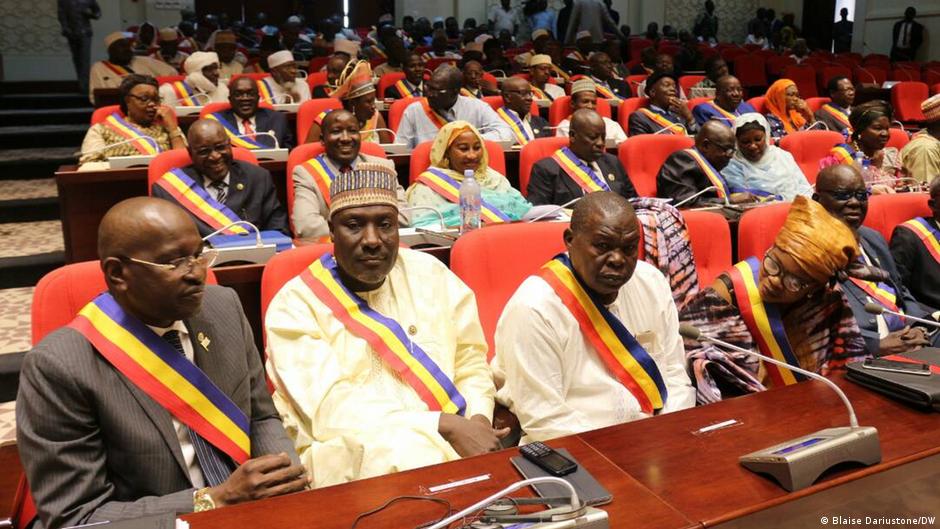
These measures have yielded tangible results. Following the 2024–2025 elections, women now hold 34% of seats in Chad’s National Assembly—64 out of 188 deputies. In the most recent government reshuffle on April 1, 2026, 12 women serve among 37 ministers, delegates, and secretaries of state, representing approximately 32% of the cabinet.
While these developments mark meaningful progress, true gender equality remains elusive. Women continue to face systemic barriers in accessing decision-making roles, and entrenched social, economic, and cultural challenges persist.