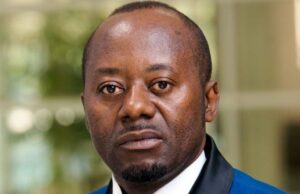
Joshua Osih, leader of Cameroon’s main opposition party, the Social Democratic Front (SDF), has rolled out an ambitious initiative to regain ground in the troubled North West region. The campaign, “Take Back Bamenda”, signals a strategic push to address the escalating separatist crisis that has gripped the region for years.
Why Bamenda? The epicenter of Cameroon’s Anglophone struggle
Bamenda, the largest city in the North West, has become a flashpoint in Cameroon’s Anglophone crisis. Decades of marginalization and perceived discrimination against English-speaking regions have fueled demands for greater autonomy and, in some cases, outright secession. The city’s strategic importance and symbolic value make it a critical battleground for political influence.
Osih’s bold strategy: unity and grassroots mobilization
Osih’s campaign hinges on two core pillars: unity and grassroots engagement. The SDF is rallying communities across the North West, emphasizing the need for collective action to counter separatist narratives. Public rallies, town hall meetings, and door-to-door outreach are central to the strategy, aimed at rebuilding trust and mobilizing support.
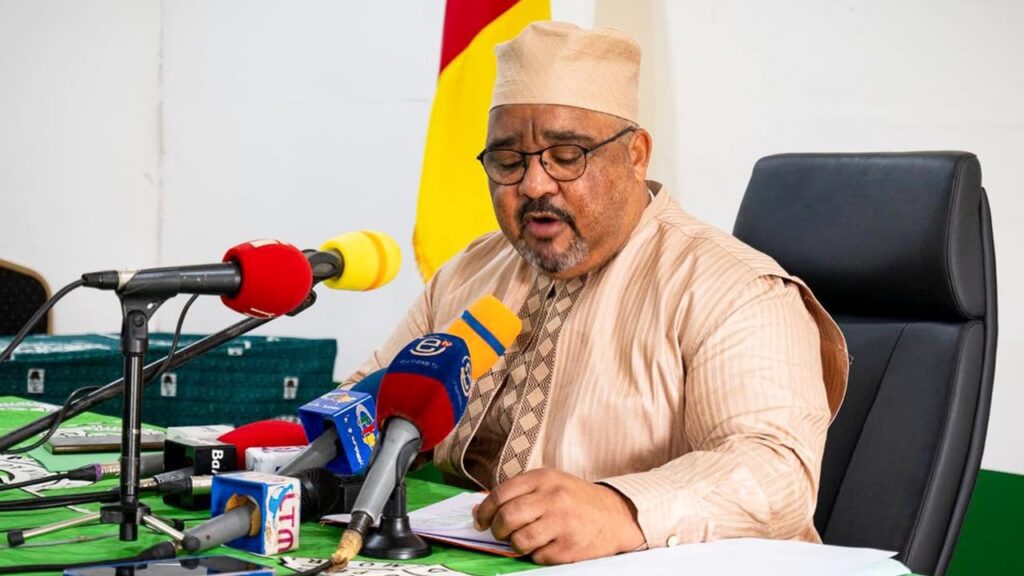
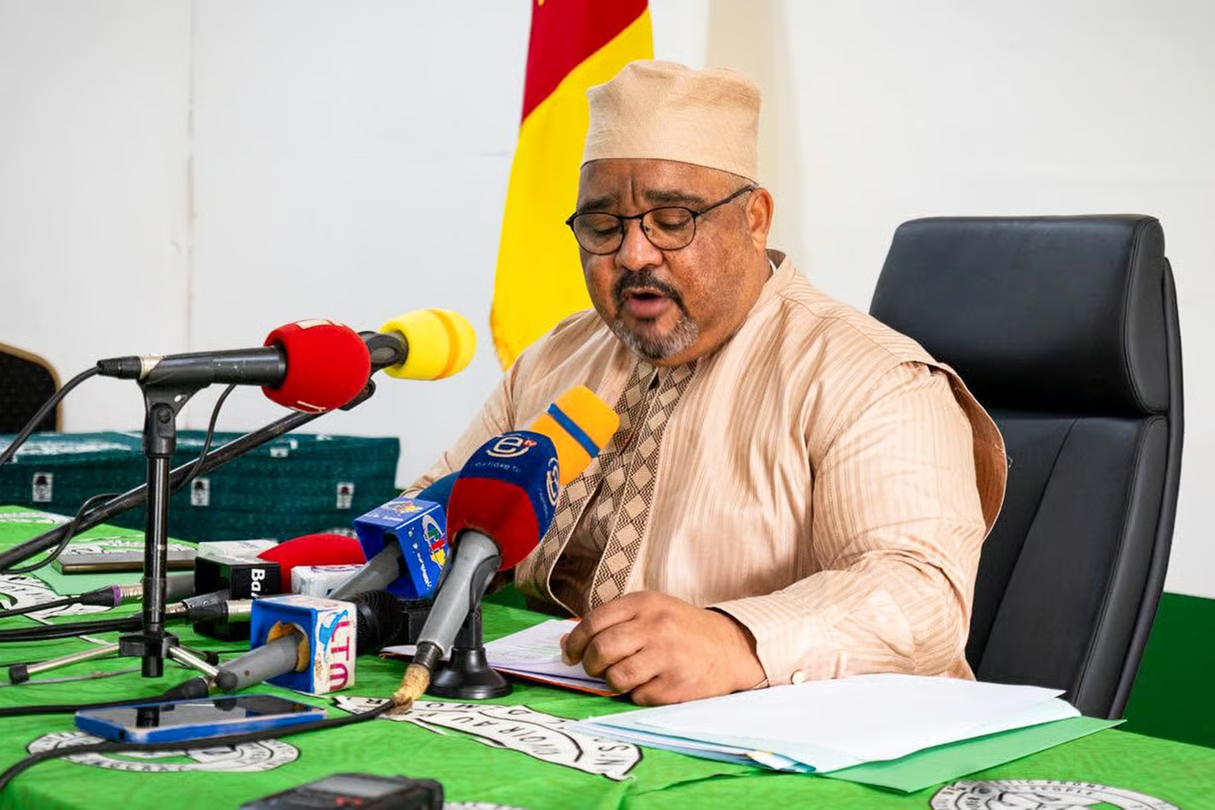
“The people of the North West deserve a voice in their future,” Osih stated during a press conference. “Our campaign is about more than politics—it’s about restoring hope and stability to a region that has suffered too much.”
Challenges ahead: navigating a complex landscape
The road to reclaiming influence in the North West is fraught with challenges. Separatist factions, armed clashes, and a heavy military presence create a volatile environment. Osih’s team acknowledges the risks but remains undeterred, positioning the campaign as a peaceful alternative to violence and division.
Key obstacles facing the campaign
- Security concerns: The region’s instability poses significant risks to organizers and participants.
- Competing narratives: Separatist groups have established deep roots, making it difficult to sway public opinion.
- Logistical hurdles: Organizing events in a conflict zone demands meticulous planning and resource allocation.
What’s next for the SDF and the North West?
The success of “Take Back Bamenda” hinges on the SDF’s ability to translate grassroots momentum into tangible political gains. Osih has vowed to escalate efforts, including potential alliances with other opposition figures and civil society groups. Meanwhile, the government’s response to the campaign remains a critical factor in shaping the region’s trajectory.
As the campaign unfolds, all eyes are on Bamenda—will Osih’s bold vision reignite hope and reshape the North West’s political landscape?