Ivorian politics: Laurent Gbagbo restructures PPA-CI with a shared leadership model
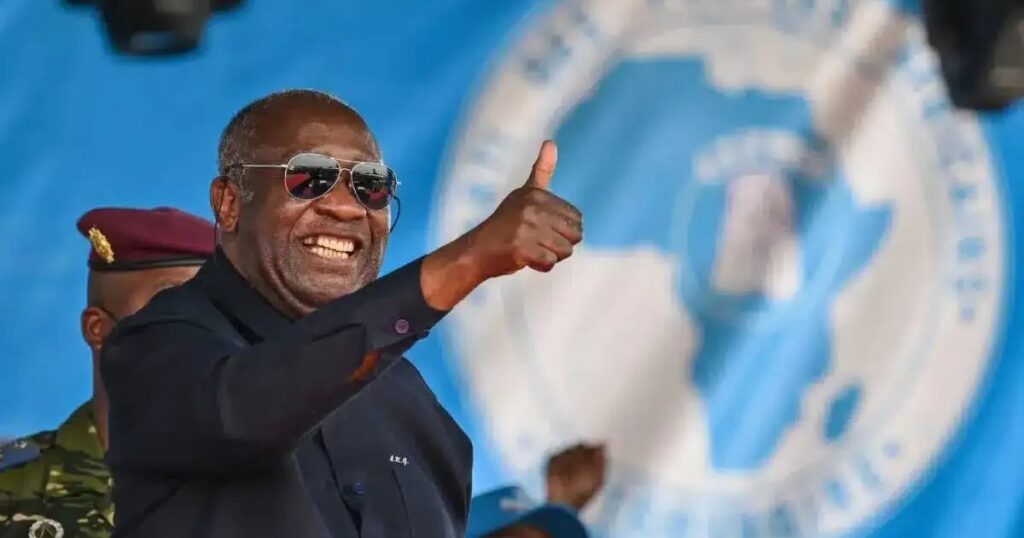
Laurent Gbagbo, leader of the Ivorian Popular Party of Africa (PPA-CI), has introduced a major organizational shift by appointing five key figures to strategic roles within the party. The announcement, made on August 10, 2026, reflects a deliberate move toward a more decentralized governance structure while maintaining Gbagbo’s central role in shaping the party’s direction.
New roles and responsibilities within the PPA-CI
This restructuring follows Gbagbo’s re-election as party president in May 2026, during which he expressed a desire to delegate certain responsibilities. Initially, the plan involved appointing a single deputy, but the final structure now includes five high-ranking officials, each entrusted with distinct portfolios.
- Assoa Adou has been named First Vice-President, tasked with ensuring strict adherence to the party’s political doctrine and guidelines.
- Hubert Oulaye takes on the role of Second Vice-President, overseeing internal party operations, membership engagement, and presiding over meetings of the central committee.
- Emmanuel Ackah, a former ambassador, assumes the position of Third Vice-President, focusing on mobilizing party members and enhancing grassroots participation.
- Justin Katinan Koné continues to lead the General Policy Division, maintaining his oversight of the party’s strategic agenda.
- Sébastien Dano Djédjé is appointed Chairman of the Strategic and Political Council, a newly formed body responsible for aligning the party’s actions with broader political objectives.
Shared leadership without surrendering control
Gbagbo frames this reorganization as a transition toward a “more collegial leadership model”, emphasizing collaboration and shared accountability. However, political observers note that this shift does not signal a fundamental change in power dynamics. “The core leadership and decision-making authority remain firmly in Laurent Gbagbo’s hands,” explains analyst Abdourahmane Barry. “The new appointees will primarily handle day-to-day operations while Gbagbo retains ultimate control.”
This restructuring comes as the PPA-CI seeks to modernize its internal governance following the reaffirmation of Gbagbo’s leadership. Further details on how these officials will coordinate their efforts have yet to be disclosed, leaving room for speculation about the party’s future operational framework.