West Africa’s trade dynamics are shifting, and at the heart of this transformation lies a critical question: can Benin’s Cotonou port become the regional logistics backbone that the subregion desperately needs? The evidence is mounting. With transit traffic surging and infrastructure upgrades accelerating, this bustling port is no longer just Benin’s maritime gateway—it’s positioning itself as an indispensable player in the cross-border commerce of West and Central Africa.
From local hub to regional powerhouse
The transformation of Cotonou port didn’t happen overnight. Once primarily focused on serving Benin’s domestic needs, the facility has undergone a strategic evolution. Today, it stands as a multipurpose logistics platform with ambitions that stretch far beyond its national borders. Its strategic location on the Gulf of Guinea, coupled with robust road and rail connections, gives it a competitive edge in attracting transit trade from landlocked neighbors.
This shift in scope is evident in the types of goods now passing through the port. While traditional staples like agricultural products still flow through, newer high-demand cargo—including refined petroleum products, industrial equipment, and containerized consumer goods—are increasingly utilizing Cotonou’s facilities. The diversification of cargo types reflects a broader trend: the port is becoming a one-stop solution for businesses seeking efficient access to West and Central African markets.
Which neighboring markets are driving growth?
Burkina Faso: a growing demand for energy and goods
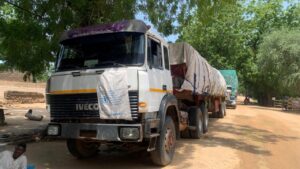
Burkina Faso has emerged as one of Cotonou port’s most dynamic transit partners. The landlocked country relies heavily on imported energy, raw materials, and finished goods to fuel its economy. With trade routes from Cotonou to Ouagadougou becoming more efficient, Burkina Faso is channeling a growing share of its imports through Benin’s port. This partnership is particularly critical for fuel distribution, as refined petroleum products make up a significant portion of the transit volume—fueling both vehicles and economic activity across Burkina Faso.
Nigeria: tapping into Africa’s largest market
Nigeria’s status as Africa’s largest economy presents both challenges and opportunities for Cotonou. While Lagos and other Nigerian ports dominate domestic trade, congestion and operational bottlenecks have created gaps in the market. Cotonou is stepping into this void, offering an alternative route for goods destined for Nigerian consumers and businesses. The proximity of the port to Nigeria’s commercial hubs in the southwest, combined with ongoing infrastructure improvements, is making Cotonou an increasingly attractive option for Nigerian importers looking to avoid delays.
Chad: unlocking Central Africa’s potential
Chad, a landlocked nation with vast natural resources but limited maritime access, represents another frontier for Cotonou’s growth. The port’s ability to handle bulk cargo—particularly hydrocarbons and minerals—positions it well to serve Chadian markets. As Chad seeks to diversify its supply chains and reduce dependence on distant ports, Cotonou’s proximity and connectivity make it a logical choice for future transit partnerships.
By the numbers: a year of explosive growth
The port’s performance in recent years speaks volumes about its rising influence. In 2024, Cotonou handled 9.6 million metric tons of cargo. By 2025, that figure had surged to 14.7 million metric tons—a 53% increase in just 12 months. This remarkable growth isn’t a fluke; it’s the result of deliberate investments in capacity, technology, and operational efficiency.
The cargo mix has also evolved. While bulk goods like minerals and agricultural products remain important, containerized shipments have seen the most significant rise. This shift underscores the port’s growing role in modern supply chains, where speed and reliability are paramount. The increase in container traffic suggests that businesses are increasingly trusting Cotonou to handle high-value, time-sensitive goods—further solidifying its reputation as a dependable logistics partner.
What’s driving this transformation?
Upgraded infrastructure: the backbone of progress
Cotonou’s port isn’t just expanding—it’s modernizing. Recent upgrades have focused on the three critical areas: quay operations, storage capacity, and digital management systems. New cranes and automated handling equipment have slashed loading and unloading times, while expanded warehouses and cold storage facilities accommodate a wider range of goods. Digital platforms now streamline customs clearance and cargo tracking, reducing red tape and improving transparency for traders.
Faster, smarter operations
Speed is a key differentiator in the logistics industry, and Cotonou is making significant strides in this area. The port has implemented just-in-time scheduling for trucks, reducing wait times at entry and exit points. Advanced traffic management systems optimize the flow of vehicles, ensuring that cargo moves smoothly from ship to road. These improvements aren’t just about convenience—they translate directly into cost savings for businesses and, ultimately, lower prices for consumers across the region.
What’s next? A look at the expansion roadmap
The port’s leaders aren’t resting on their laurels. With a current capacity of 14.7 million tons, the facility is on track to reach 25 million tons per year in the coming years. This ambitious goal will require continued investment in several key areas:
- Container terminal expansion: New berths and deeper drafts will accommodate larger vessels, positioning Cotonou as a hub for mega-ships servicing West and Central Africa.
- Enhanced intermodal connectivity: Upgrades to rail links and road networks will ensure seamless cargo movement between the port, urban centers, and neighboring countries.
- Sustainability initiatives: Plans are underway to reduce the port’s carbon footprint through cleaner energy sources and more efficient logistics processes.
- Workforce development: Training programs aim to upskill local labor, ensuring a steady pipeline of skilled workers to support the port’s growing operations.
These investments aren’t just about handling more cargo—they’re about redefining what it means to be a logistics hub in West Africa. By integrating sustainability, technology, and efficiency, Cotonou is setting a new standard for ports across the continent.
Why this matters for Benin—and the region
Economic ripple effects
The growth of Cotonou port isn’t just a story about shipping volumes—it’s an economic catalyst. Increased port activity generates a multiplier effect throughout Benin’s economy. Local businesses supplying goods and services to the port—from trucking companies to food vendors—are experiencing a boom. Meanwhile, the port’s efficiency attracts new industries, particularly in logistics, warehousing, and distribution. This diversification reduces Benin’s reliance on traditional sectors like agriculture, creating a more resilient and dynamic economy.
For neighboring countries, the benefits are equally significant. Businesses in Burkina Faso, Nigeria, and Chad gain access to a faster, more reliable trade route, reducing supply chain risks and costs. For industries like manufacturing and energy—both critical to regional growth—Cotonou’s efficiency translates into lower operational expenses and improved competitiveness on the global stage.
A magnet for foreign investment
A modern, high-capacity port is a powerful draw for foreign investors. Multinational corporations seeking to establish a foothold in West Africa are increasingly eyeing Benin as a strategic location. The port’s connectivity to multiple landlocked countries provides unmatched market access, making it an ideal base for companies targeting consumers across the subregion. As Cotonou’s reputation grows, so too does its ability to attract high-value investments in manufacturing, agribusiness, and renewable energy.
Challenges and the path forward
Despite its progress, Cotonou’s journey isn’t without obstacles. Several key challenges could hinder its ambitions:
- Regional competition: Ports in Ghana, Ivory Coast, and Senegal are also vying for transit trade, offering alternative routes and incentives. Cotonou must continue to differentiate itself through reliability and efficiency.
- Infrastructure gaps: While significant progress has been made, some roads and railways connecting the port to inland markets remain underdeveloped. Addressing these bottlenecks is critical to maintaining growth.
- Political and economic stability: Cross-border trade relies on stable relationships between nations. Any disruptions in diplomatic or economic ties could impact transit volumes and investor confidence.
- Environmental concerns: As traffic increases, so do the environmental impacts. Balancing growth with sustainability will require innovative solutions and strong regulatory frameworks.
The road ahead for Cotonou port is clear: double down on efficiency, deepen regional partnerships, and invest in sustainable growth. If these priorities are met, the port has the potential to become the cornerstone of West Africa’s trade future—a gateway that connects landlocked nations to global markets while driving prosperity across the subregion.
One thing is certain: the question isn’t whether Cotonou can rise to the challenge—it’s how high it will rise.