In the northern regions of Mali, securing access to fundamental healthcare services—especially for women and children—remains a pressing concern.
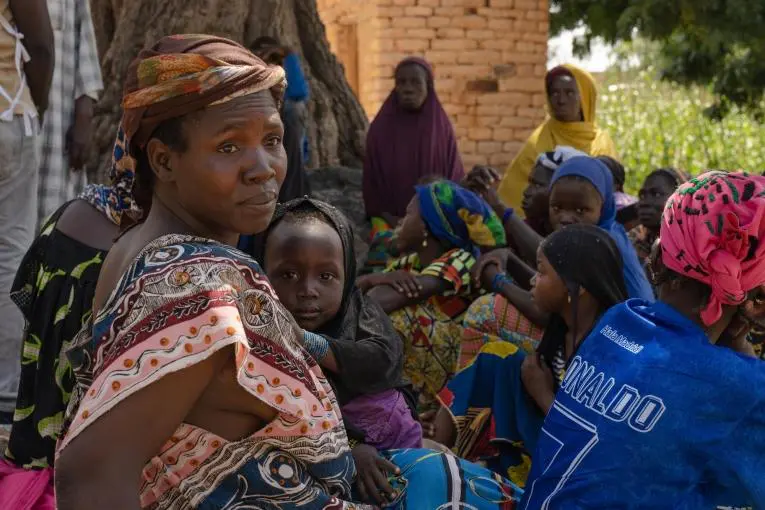
For Malian women, access to essential healthcare is still a critical issue. The security crisis that began in 2012 has had profound detrimental effects on an already vulnerable health infrastructure across the country’s northern regions. Today, a significant portion of the Malian population, particularly highly susceptible groups like young children and expectant mothers, alongside those injured in conflict, face immense obstacles in receiving medical treatment.
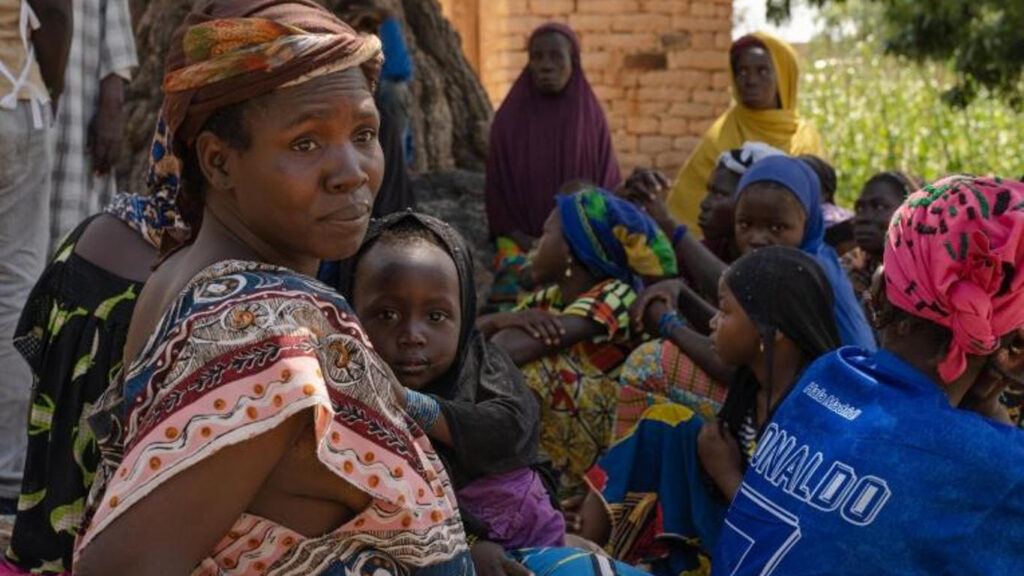
“I am over 20 km from Koro (in the Mopti region), which means I am very far from any health center. It was in Bamako that I encountered a health team that educated me on the benefits of birth spacing. As a displaced woman, I believe it’s important to use a contraceptive method to avoid any unwanted surprises,” shared Fatouma Bolly, one of many Malian women benefiting from care at a displacement site.
In the Mopti region, which borders Burkina Faso and the states of Gao, Segou, and Timbuktu, entire territories remain outside government control. This has fostered an environment of persistent daily violence, leading to widespread population displacement.
Delivering vital health services amidst emergency conditions
According to the United Nations (UN), over 1.7 million individuals in Mali required health assistance in 2021. Due to the ongoing conflict and limited access to medical care, preventable diseases such as malnutrition, malaria, and measles are tragically causing numerous fatalities across the Malian territory.
In response to this dire situation, numerous organizations, including the International Committee of the Red Cross (ICRC) and the NGO Doctors Without Borders (MSF), are actively supporting health facilities in the regions of Mopti, Ségou, Timbuktu, Taoudéni, Ménaka, Gao, and Kidal. These groups are striving to assist communities through various initiatives, such as providing access to primary healthcare, offering first aid training, and delivering crucial psychosocial support.
However, with central Mali now recognized as the epicenter of the prolonged crisis affecting the nation, substantial efforts are still required to ensure widespread access to healthcare. Given the persistent violence against civilians, the humanitarian response on the ground must be significantly amplified to meet the urgent needs of the population, now more than ever.